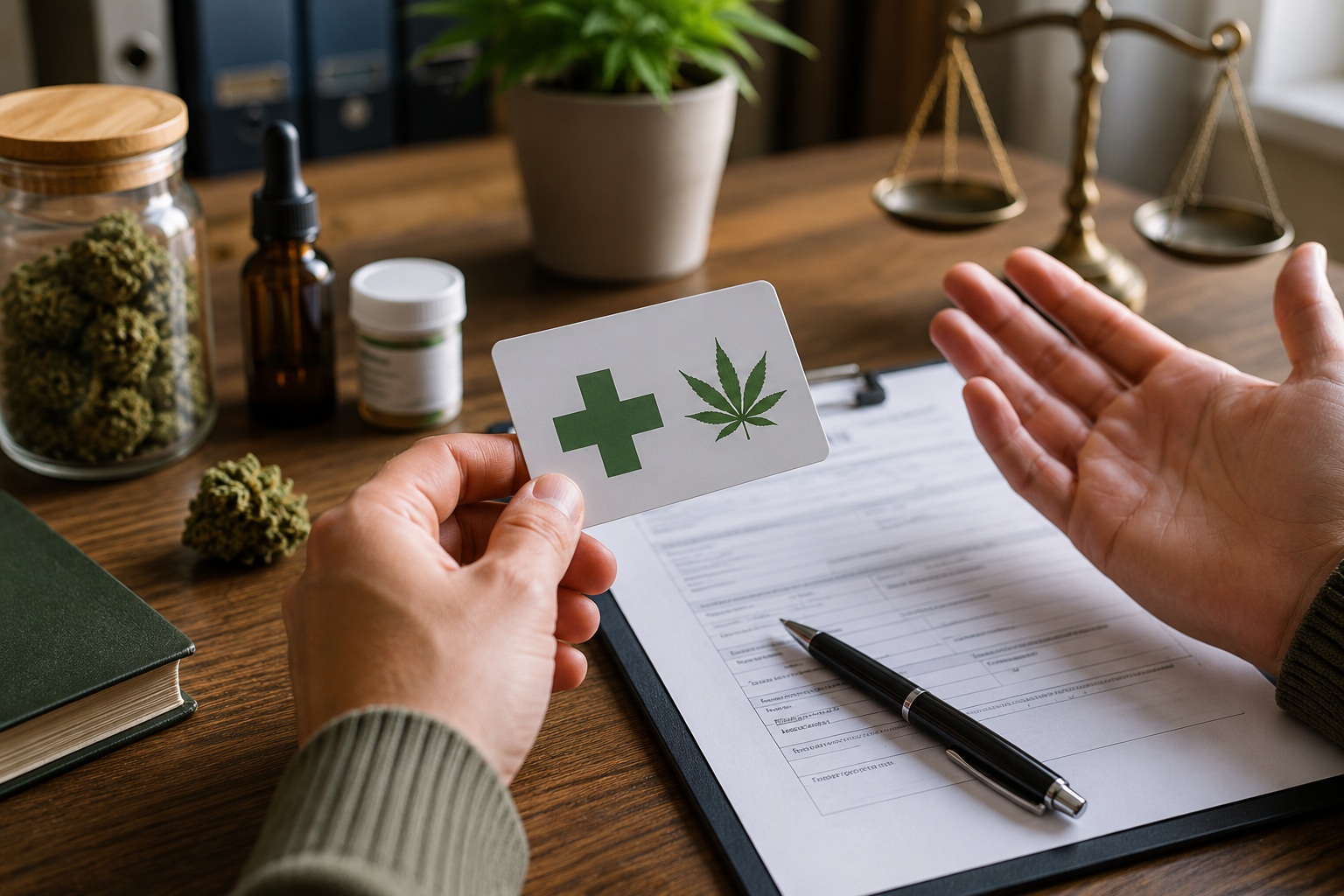
A rejected medical marijuana card application usually stems from missing documents, application mistakes, expired records, or eligibility issues. Identifying the cause can help resolve the problem quickly and improve the chances of approval.
Why Was My Med Card Rejected?
Identifying the cause can help resolve the problem quickly and improve the chances of approval.
1. Incomplete Application Information
Missing details remain one of the most common reasons medical card applications get rejected. State programs often require accurate personal information, signed forms, proof of identity, and payment confirmation.
Even a small mistake, such as a misspelled name or an unanswered field, can trigger a denial. Reviewing every section before submission helps prevent avoidable setbacks.
2. Missing or Invalid Proof of Residency
Most states require applicants to prove residency before issuing a medical marijuana card. Documents such as a driver’s license, state ID, utility bill, or lease agreement typically satisfy this requirement.
If the submitted documents are outdated, unclear, or fail to match the information on the application, the state may reject the request.
3. The Medical Condition Does Not Qualify
Every state maintains its own list of qualifying conditions. Some programs include chronic pain, PTSD, cancer, epilepsy, and multiple sclerosis, while others apply stricter criteria.
Applications often get denied when the reported condition does not appear on the state’s approved list or lacks sufficient supporting evidence.
According to LegalClarity, eligibility requirements vary significantly between state programs, making it essential to verify qualification before applying.
4. Insufficient Medical Documentation
Supporting records help validate a patient’s diagnosis and treatment history. Missing physician notes, incomplete medical records, or outdated documentation can prevent reviewers from confirming eligibility.
Strong documentation gives state regulators the information needed to process an application efficiently.
5. Problems With the Physician Certification
A physician recommendation serves as a critical part of the approval process. Some states only accept certifications from registered or specially authorized healthcare providers.
Applications may face rejection if the certification contains errors, lacks required details, expires before submission, or comes from an ineligible practitioner.
6. Application and Document Information Does Not Match
State agencies often compare information across multiple documents. Differences in names, addresses, dates of birth, or identification numbers can create verification issues.
These discrepancies may appear minor but frequently lead to processing delays or outright rejection until corrected.
7. Age Requirements Were Not Met
Medical cannabis programs establish age rules that applicants must follow. Adults generally apply independently, while minors often need parental consent, caregiver registration, or additional documentation. Failure to meet these requirements can result in denial.
8. Certain Criminal History Restrictions Apply
Some states place restrictions on applicants with specific criminal convictions, particularly offenses involving drugs or violence. These policies vary by jurisdiction, so approval standards differ across the country.
Reviewing state regulations beforehand can help applicants understand potential limitations.
9. The Reviewing Physician Determines Cannabis Is Not Appropriate
Approval depends on more than a qualifying diagnosis. A healthcare provider may decline to recommend medical cannabis if existing treatments effectively manage symptoms or if cannabis could create safety concerns based on the patient’s medical history.
Medical judgment remains a key part of the evaluation process. According to medical cannabis experts, providers may deny recommendations when potential risks outweigh expected benefits.
10. Expired Identification or Supporting Documents
Many applicants overlook expiration dates when gathering paperwork. Expired IDs, outdated certifications, or old medical records can prevent state agencies from verifying eligibility.
Replacing outdated documents before submitting an application can reduce the risk of rejection.
How Do I Use My Med Card Properly?
Using a medical marijuana card properly starts with following state laws, purchasing from licensed dispensaries, and using cannabis as recommended by a qualified healthcare provider.
Carry Your Med Card When Purchasing Cannabis
Keep the card accessible whenever visiting a dispensary. Most states require patients to present a valid medical marijuana card and government issued identification.
- Bring both your med card and ID.
- Check expiration dates regularly.
- Renew the card before it expires.
Buy Only From Licensed Dispensaries
Licensed dispensaries provide products that undergo testing for potency, contaminants, and labeling accuracy.
- Verify the dispensary operates legally in the state.
- Review product labels carefully.
- Ask staff about cannabinoid content and intended effects.
Follow the Recommended Dosage
Proper dosing helps patients avoid unpleasant side effects while finding effective symptom relief. Medical cannabis experts consistently recommend a “start low and go slow” approach, especially for new patients.
- Begin with the lowest effective dose.
- Increase gradually if needed.
- Allow enough time for effects before taking more.
Choose the Right Consumption Method
Different products produce different onset times and durations. Selecting the right format can improve the overall treatment experience.
- Inhalation typically works faster.
- Edibles often take longer to produce effects.
- Tinctures provide a middle ground for many patients.
Track How Products Affect Symptoms
Responses to cannabis vary from person to person. Monitoring results can help identify what works best.
- Record dosage amounts.
- Note symptom improvements.
- Monitor any side effects.
Several medical cannabis dosing guides recommend keeping a journal to support more consistent treatment outcomes.
Store Cannabis Safely
Proper storage helps preserve product quality and prevents accidental access.
- Keep products in original packaging.
- Store in a cool, dry place.
- Keep away from children and pets.
Understand Product Labels
Learning how to read labels helps patients make informed decisions.
- Check THC and CBD percentages.
- Review serving sizes.
- Pay attention to usage instructions.
Avoid Driving While Impaired
Medical cannabis can affect reaction time, coordination, and judgment.
- Wait until effects have worn off.
- Follow state regulations regarding driving.
- Use caution when trying a new product.
Discuss Cannabis Use With Healthcare Providers
Open communication helps ensure cannabis fits safely into an overall treatment plan.
- Report any side effects.
- Discuss potential medication interactions.
- Request guidance when adjusting dosage.
Stay Up to Date on State Regulations
Medical marijuana laws can change over time. Understanding current rules helps patients remain compliant.
- Review state program updates.
- Know possession limits.
- Follow local consumption restrictions.
Where Do I Get a Legit Med Card?
A legitimate medical marijuana card requires an evaluation from a licensed healthcare provider and approval through a state medical cannabis program.
A reliable provider should offer:
- Licensed healthcare professionals
- Transparent pricing
- Secure handling of personal information
- Application support
At Cheap Med Cards, we connect eligible patients with licensed medical marijuana doctors through secure online evaluations and assist with state registration after approval. We also help with new evaluations, renewals, and registration guidance.
Get Clear Cannabis Transactions with a Proper Med Card
A med card rejection does not always mean the process ends. Review the denial reason, correct the issue, update any missing records, and reapply through a legitimate state approved process.
Frequently Asked Questions
Can a medical marijuana card application get approved after a previous rejection?
Yes, many applicants receive approval after correcting the issue that caused the denial. Updating documents, fixing application errors, or providing additional medical records often improves the chances of approval.
How long does it take to get a med card after approval?
The timeline depends on the state. Some patients receive temporary approval within days, while others may wait several weeks for official processing and card issuance.
Can a medical marijuana card be used in another state?
Sometimes. Certain states recognize out of state medical marijuana cards through reciprocity programs, while others only accept cards issued within their own medical cannabis system.
Do medical marijuana cards expire?
Yes, medical marijuana cards typically expire after a set period determined by state law. Patients must complete the renewal process before the expiration date to maintain active status.
Can caregivers apply for a medical marijuana card on behalf of a patient?
Yes, many states allow designated caregivers to assist qualified patients. Caregivers usually need to complete a separate registration process and meet specific eligibility requirements.
Does having a med card guarantee access to every cannabis product?
No, state regulations often limit the types, quantities, and potency levels of products available to medical marijuana patients. Product availability may also vary by dispensary and location.