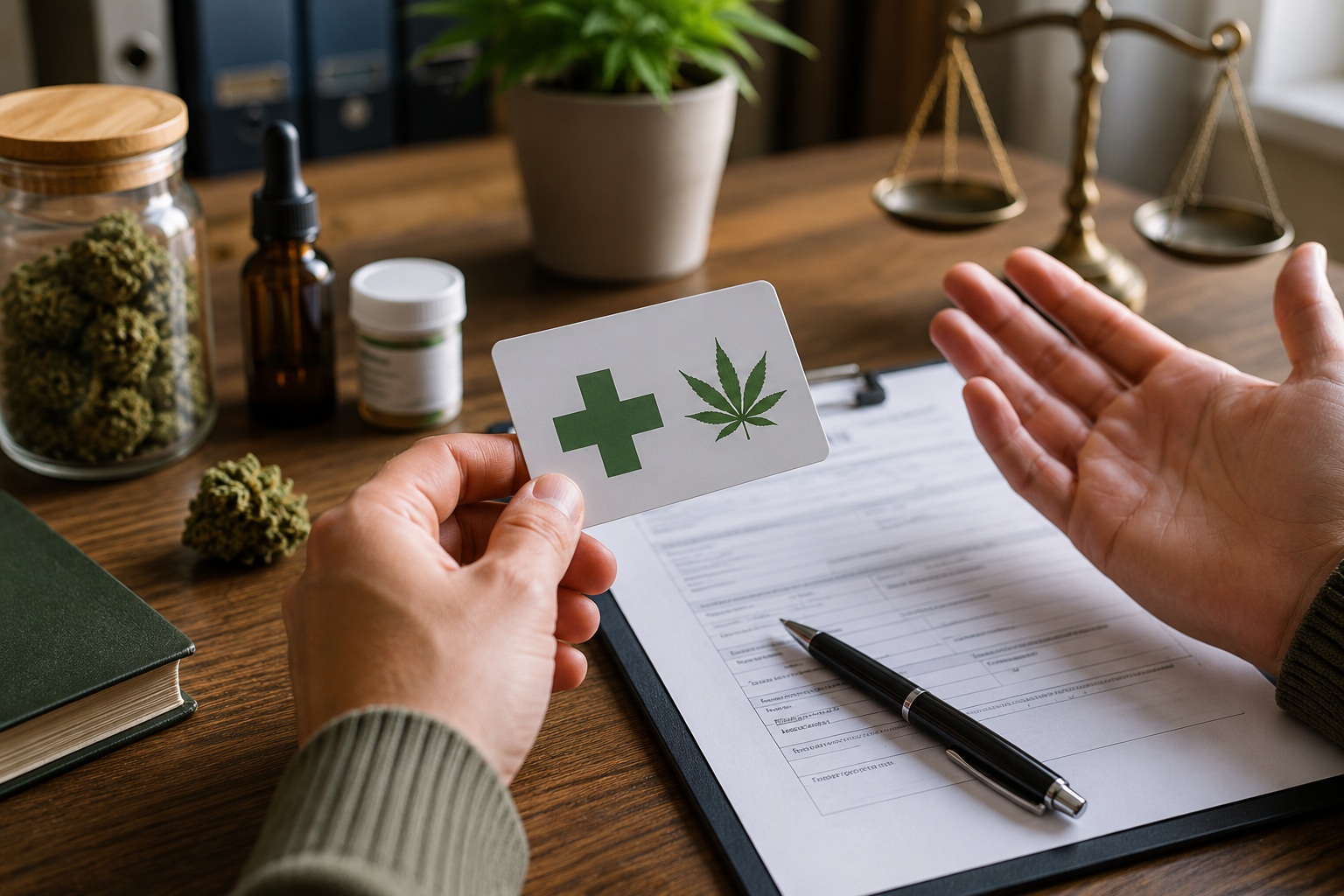

Cannabis access has changed fast, but confusion still lingers. Medical cards and recreational use offer different paths, each with its own rules, costs, and benefits.
Understanding how they compare helps people make smarter choices before stepping into a dispensary.
Is a Med Card Worth It?
Yes, a medical card is worth it for many regular users with health needs.
It can reduce costs through lower taxes, allow higher purchase limits, and provide access to more potent or targeted products. Some states also extend access to younger patients with approval.
While the card requires an upfront fee and renewal, the long term savings and added benefits often outweigh the cost.
Med Card Vs Recreational Cannabis Access
A medical card often offers better value and access than recreational purchases, especially for frequent or health focused users.
| Factor | Medical Card | Recreational Access |
| Upfront Cost | Requires application and renewal fees | No registration cost |
| Legal Protections | Stronger protections in some regions | Standard consumer protections |
| Home Cultivation | Allowed in more cases depending on state | Often more restricted |
| Possession Rules | May differ based on patient status | Fixed limits for general users |
| Travel Considerations | Recognition varies by location | Simpler within legal regions |
Lower Overall Costs
Medical programs usually reduce the total amount spent over time.
- Lower tax rates compared to recreational sales
- Access to discounts in some dispensaries
- Savings grow with frequent purchases
Higher Purchase Limits
Medical users can buy more in a single visit.
- Larger quantities allowed per transaction
- Fewer trips needed for consistent use
- Better suited for long term treatment needs
Access to Stronger Products
Medical programs often allow more potent options.
- Higher THC limits in certain products
- Availability of specialized formulations
- Wider selection tailored for specific conditions
Priority Access and Convenience
Medical patients often receive faster and more reliable service.
- Priority lines in some dispensaries
- Access during supply shortages
- Entry to medical only locations in select areas
Age and Eligibility Flexibility
Medical access can extend to more people.
- Eligibility for younger patients with approval
- Legal access for specific diagnosed conditions
- Guidance from certified professionals
How Can I Get the Most Benefits from My Med Card?
Getting the most benefits from a medical card comes down to using every advantage it offers, especially cost savings, access, and legal protections.
Track and Maximize Cost Savings
Use the card consistently to offset its cost.
- Medical patients can save up to 40% compared to recreational users
- Reduced or waived excise taxes in many states lower each purchase
- Savings increase with frequent or long term use
Choose Medical Specific Products
Focus on products designed for targeted use.
- Medical programs often include formulations tailored for conditions
- Higher potency options may be available for patients
- Experts note access to “medical grade products” as a key advantage
Use Higher Limits Strategically
Plan purchases to reduce frequency and cost per visit.
- Buy in larger quantities when allowed
- Maintain supply for consistent treatment
- Avoid repeated smaller transactions that add up over time
Stay Compliant to Keep Benefits
Follow state rules to avoid losing access.
- Registration and renewal maintain legal protections
- Research shows programs grant protections like higher possession allowances
- Keep documentation updated and accessible
Leverage Priority Access
Use patient status to avoid disruptions.
- Access during shortages in some regions
- Faster service in select dispensaries
- More reliable availability for ongoing needs
Work with a Qualified Provider
Use medical guidance to improve results.
- Physicians help align product choice with specific conditions
- Proper dosing reduces waste and improves effectiveness
- Certification ensures eligibility and continued access
How Do I Apply for a Med Card?
The process is usually simple. Confirm eligibility, complete the paperwork, meet with a licensed provider, then submit any state required registration.
Cheap Med Cards follows a similar path with online intake, appointment scheduling, a short video consultation, and certification for approved patients.
Step #1: Check the State Rules First
Review age, residency, and qualifying condition requirements before starting since med card rules vary by state.
Step #2: Gather the Basic Documents
Prepare a valid ID, proof of residency, and medical details that support the condition.
Step #3: Complete the Intake Form
Enter personal and health information, then schedule the evaluation. Cheap Med Cards keeps this step simple with online booking.
Step #4: Attend the Medical Evaluation
A licensed provider reviews the condition and determines eligibility. Cheap Med Cards offers quick video consultations that may take about 5 to 10 minutes.
Step #5: Receive the Certification if Approved
Approved patients receive a recommendation or certification after the consultation. Some cases allow same day delivery.
Step #6: Submit the State Application if Required
Some states allow purchases with certification alone, while others require separate registration.
Step #7: Wait for Approval and Keep Copies Ready
Digital documents may arrive before the physical card, which can help speed up the next steps depending on state rules.
Step #8: Buy from a Licensed Dispensary
Use the approved certification or card to purchase medical cannabis through legal dispensaries.
Get a Med Card Today
A medical card offers clear advantages for those who want better access, lower costs, and more control over their cannabis use. At Cheap Med Cards, the process stays simple with quick evaluations, online scheduling, and fast certification to help patients get approved without hassle.
Frequently Asked Questions
How long does it take to get a medical card?
Most applicants receive approval within the same day or a few days after the consultation, depending on state processing times.
Can a medical card expire?
Yes. Medical cards come with expiration dates, and patients must renew them regularly to maintain access and legal protections.
Do all states accept out of state medical cards?
No. Some states offer reciprocity, but many require patients to register locally before purchasing.
Can employers see medical cannabis use?
Employers do not have automatic access to medical records, but workplace policies may still restrict cannabis use.
Are there limits on where cannabis can be used?
Yes. Most states restrict use to private spaces and prohibit consumption in public areas.
Can a caregiver apply on behalf of a patient?
Yes. Many programs allow designated caregivers to apply, purchase, and assist patients who cannot manage the process alone.