
Medical Marijuana for Autism: 5 Benefits and When to Use

Autism affects people in different ways, and some families explore medical marijuana to help manage symptoms such as anxiety, irritability, sleep problems, or repetitive behaviors when standard treatments fall short. Research continues to grow, but current evidence shows potential benefits for some individuals while highlighting the importance of careful medical guidance before starting treatment. Can You Use Medical Marijuana for Autism? Yes, medical marijuana may be used for autism in some regions when a qualified healthcare provider determines that it could help manage specific symptoms such as severe anxiety, aggression, irritability, or sleep problems. It does not treat autism itself, and current evidence remains limited. A 2025 systematic review published in the Journal of Clinical Pharmacology analyzed 11 randomized controlled trials and found that some cannabis based treatments showed potential for improving overall symptom severity. However, the researchers concluded that the certainty of the evidence remained very low to low, making it difficult to recommend medical marijuana as a standard treatment for autism at this time. Is Autism a Qualifying Condition for Medical Cannabis? It depends on the laws where the patient lives. Some states and countries list autism spectrum disorder as a qualifying condition for medical cannabis, while others do not. Even in places where autism qualifies, approval usually requires a licensed healthcare provider to confirm that medical cannabis may help manage severe symptoms and that other treatment options have not provided enough relief. Patients should always check their local medical cannabis program requirements before applying. What are the Benefits of Medical Cannabis for Autism? Medical cannabis may help relieve certain autism related symptoms in some people, but it does not treat autism itself. Benefits vary from person to person, and healthcare providers typically consider it only when symptoms significantly affect daily life. 1. May Reduce Anxiety and Stress Some people with autism experience ongoing anxiety that interferes with daily activities. Medical cannabis may help promote a greater sense of calm in selected patients under medical supervision. 2. May Help Manage Aggression and Irrability Behavioral challenges can place significant strain on both individuals and caregivers. A systematic review published in Frontiers in Psychiatry found that several studies reported reductions in irritability, aggression, self injurious behavior, and anger after cannabinoid treatment. The authors also emphasized that stronger clinical trials remain necessary before drawing firm conclusions. 3. May Support Better Sleep Sleep problems affect many people with autism and can worsen daytime symptoms. Better sleep may improve overall daily functioning, although research on cannabis for sleep in autism remains mixed. 4. May Reduce Repetitive Behaviors Some patients report fewer repetitive movements or behaviors while using medical cannabis as part of a supervised treatment plan. Responses vary, so regular monitoring remains important. 5. May Improve Overall Quality of Life Researchers from the UK Medical Cannabis Registry reported improvements in anxiety related symptoms, sleep, and health related quality of life among adults with autism who received cannabis based medicinal products. The researchers also noted that controlled clinical trials remain necessary to confirm these findings. What are the Best Cannabis Products for Autism? The best cannabis product depends on the person’s symptoms, age, treatment goals, and medical history. Healthcare providers often prefer products that allow precise dosing and consistent effects over options that produce rapid intoxication. CBD Dominant Oils CBD dominant oils contain high levels of cannabidiol with little or no THC. Many healthcare providers consider them a starting option because they produce little to no intoxicating effects. Balanced CBD and THC Oils These products combine CBD and THC in specific ratios. Some providers may recommend them for patients who need additional symptom relief after trying CBD dominant products. Capsules Capsules provide a measured dose and fit well into a daily treatment routine. They also eliminate the need to measure each serving. Oral Edibles Edibles offer longer lasting effects but take more time to work. Careful dosing remains important because the effects can take several hours to reach full strength. How to Best Use Medical Marijuana for Autism? Medical marijuana works best when a qualified healthcare provider guides the treatment plan. Proper dosing, product selection, and ongoing monitoring help support safe and effective use. Start With a Medical Evaluation A healthcare provider should review the patient’s symptoms, current medications, and treatment history before recommending medical cannabis. This evaluation helps determine if medical marijuana fits the patient’s needs and identifies the most appropriate product and dosage. Begin With a Low Dose Most providers recommend starting with the lowest effective dose and increasing it slowly based on the patient’s response. The American Academy of Pediatrics states that current evidence does not support routine cannabis use for autism and advises that any use should occur under close medical supervision because research remains limited. Keep Track of Symptoms Monitoring progress makes it easier to determine if treatment provides meaningful benefits. Choose Tested Medical Cannabis Products Licensed medical cannabis products offer greater consistency than unregulated options. Products that undergo laboratory testing help confirm cannabinoid content and screen for contaminants, making dosing more reliable. Get a Medical Marijuana Card A medical marijuana card gives eligible patients legal access to licensed dispensaries that carry regulated products with verified quality. Cardholders may also receive guidance from knowledgeable dispensary staff and benefit from protections available under state medical cannabis programs. At Cheap Med Cards, the application process stays simple, affordable, and convenient, making it easier for qualified patients to connect with a licensed physician and obtain a medical marijuana card when eligible Frequently Asked Questions Can medical marijuana cure autism? No, medical marijuana cannot cure autism. It may help manage certain symptoms in some individuals, but it does not change or eliminate the underlying condition. Healthcare providers use it as part of a broader treatment plan when appropriate. Can children with autism use medical marijuana? Yes, some children may qualify under state medical cannabis programs. A pediatric specialist should evaluate the child first because cannabis may affect developing brains, and treatment requires careful supervision and regular follow up. How long does it
First-Time Dispensary Visit Checklist: Quick Beginner Guide

Visiting a dispensary for the first time can feel overwhelming, especially with so many products and unfamiliar terms. A simple checklist helps make the experience easier, so beginners can walk in with confidence, ask the right questions, and choose products that match their needs. What is a Cannabis Dispensary? A cannabis dispensary is a licensed store that sells cannabis products in areas where state laws allow them. Some locations serve medical patients with a valid recommendation, while others welcome adults who meet the legal age requirement for recreational purchases. Medical and recreational dispensaries offer many of the same products, but they follow different rules. Feature Medical Dispensary Recreational Dispensary Who can buy Registered medical patients Adults who meet the legal age requirement Identification Medical card or physician recommendation plus a valid ID where required Valid government issued ID showing legal age Product selection Often includes products designed for specific therapeutic needs Focuses on products for general adult use Purchase limits May allow higher purchase limits under state law Follows recreational purchase limits set by the state Taxes May qualify for lower taxes in some states Usually subject to standard recreational cannabis taxes Medical dispensaries focus on patients who use cannabis as part of their treatment plan. Recreational dispensaries serve adults who want cannabis for personal enjoyment or general wellness, depending on local laws. What Should I Know Before Visiting a Dispensary? Before visiting a dispensary, understand the local cannabis laws, bring a valid ID, and know the basic purchasing rules. A little preparation helps the visit go smoothly and prevents common mistakes. What to Check When Visiting a Cannabis Dispensary? Look for signs that the dispensary operates legally, maintains high product standards, and provides clear customer support. These details help create a safer and more informed shopping experience. Verify the Dispensary Is Licensed A licensed dispensary follows state regulations and sells products that meet legal safety standards. Assess Product Quality High quality cannabis products should come from reputable producers and include clear product information. Review Third Party Lab Testing Lab testing confirms the product meets safety and labeling standards. Read Labels Carefully Product labels explain what the product contains and how to use it responsibly. Observe Cleanliness A clean environment reflects good operational practices. Evaluate Staff Knowledge A good dispensary employs staff who educate instead of pushing sales. Explore Product Selection A broad selection makes it easier to find products that fit individual preferences. Compare Prices Price should match product quality and value. Understand Return Policies Policies differ from one dispensary to another. Check Security and Customer Experience Professional operations create a safer shopping environment. Confirm Payment Options Payment methods vary because of cannabis banking regulations. Look for Educational Resources Reliable dispensaries help customers make informed decisions. How Do You Choose a Cannabis Product? Choose a cannabis product based on your goals, preferred consumption method, and experience level. Start with a lower potency product if it is the first time using cannabis. Different products provide different experiences, onset times, and durations. Reading the label helps you make a more informed choice. Before buying, ask these questions: If unsure, ask a dispensary staff member for a beginner friendly recommendation. How Can I Get the Most Out of Cannabis Dispensaries? Get the most out of a cannabis dispensary by arriving prepared, asking questions, and choosing products that match your needs. Frequently Asked Questions Can someone enter a dispensary without buying anything? Yes, most dispensaries allow visitors to browse without making a purchase. This gives first time visitors a chance to explore products, ask questions, and become familiar with the store before deciding to buy. How long does a typical dispensary visit take? Most visits take between 15 and 30 minutes. First time customers may spend more time speaking with staff, comparing products, and learning about available options. Can dispensary staff recommend products? Yes, dispensary staff can recommend products based on your goals and experience level. They can explain product differences, potency, and consumption methods to help you make an informed decision. Should you bring a shopping list to a dispensary? Yes, a shopping list helps you stay focused and avoid impulse purchases. Include your budget, preferred product types, and any questions you want to ask during your visit. Can you visit more than one dispensary before making a purchase? Yes, you can compare different dispensaries before buying. Visiting multiple locations lets you evaluate product selection, pricing, customer service, and overall shopping experience. What should you do after buying cannabis products? Store cannabis in a cool, dry place away from children and pets. Keep products in their original packaging and follow the recommended serving instructions before using them. Closing Thoughts A successful first dispensary visit starts with preparation. Understand the local rules, choose products that match your needs, and ask questions when needed. With the right checklist and guidance, you can shop with greater confidence and make informed decisions every time.
Medical Marijuana Caregiver Guide: Rules & Qualifications
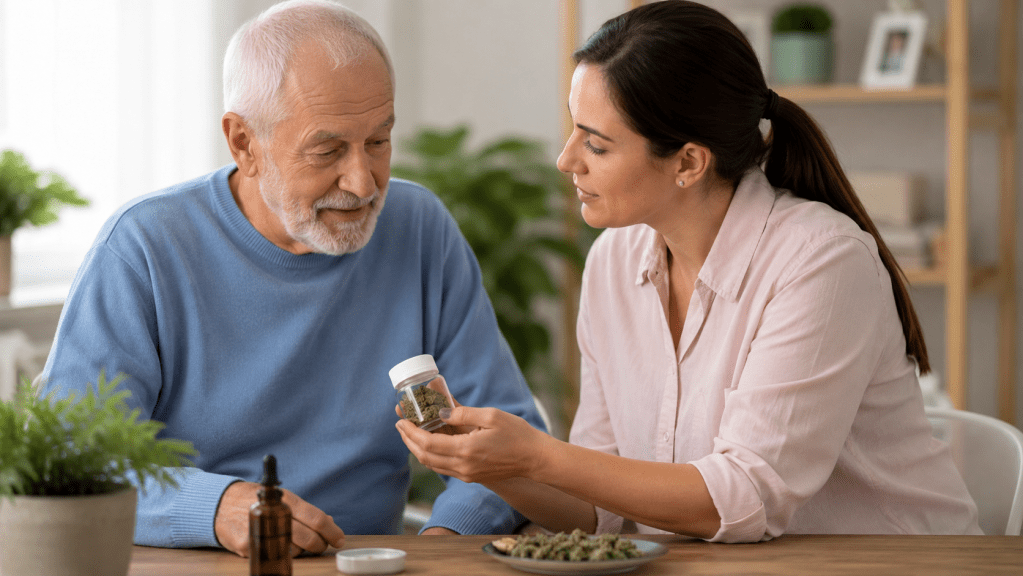
Getting medical marijuana is not always something patients can manage alone. Many state programs allow caregivers to help with registration, purchases, and daily support, but each state sets its own rules and qualifications. Understanding how caregiver programs work can help patients and families stay compliant while accessing the care they need. What is a Medical Marijuana Caregiver? A medical marijuana caregiver is a person authorized by a state medical cannabis program to assist a qualified patient. Depending on state laws, caregivers may help with registration, purchasing medical marijuana, and supporting the patient’s treatment. What Does a Medical Cannabis Caregiver Do? A medical cannabis caregiver helps a qualified patient access and manage medical marijuana within state regulations. Are There Strict Rules to Being a Medical Marijuana Caregiver? Medical marijuana caregivers must follow strict state rules before they can assist a qualified patient. Most states require caregiver registration and set specific eligibility requirements, but the exact rules vary by state. Caregivers must meet state eligibility requirements States decide who can qualify as a medical marijuana caregiver. Common requirements include meeting a minimum age, providing proof of residency, and receiving approval through the state’s medical cannabis program. Some states also limit the number of patients a caregiver can assist. For example, the Florida Department of Health requires caregivers to be at least 21 years old, register with the Medical Marijuana Use Registry, and meet additional legal requirements before receiving a caregiver identification card. Meanwhile, Ohio’s Administrative Code states that only registered caregivers associated with a qualified patient may possess or administer medical marijuana for that patient. Registration is usually required A caregiver cannot legally purchase or possess medical marijuana on behalf of a patient without state approval. Many medical cannabis programs require caregivers to register before receiving legal authority to assist a designated patient. Some states require background checks or training Several states add extra safeguards before approving caregivers. These measures help protect patients and support responsible participation in medical cannabis programs. Caregivers must follow possession and purchase rules Becoming a caregiver does not provide unlimited access to medical marijuana. Caregivers may only purchase or possess medical cannabis for the patient linked to their registration, and they must stay within state purchase and possession limits. How Do You Become a Medical Marijuana Caregiver? Becoming a medical marijuana caregiver usually involves registering through a state medical cannabis program after a qualified patient designates you. The exact process varies by state, but most programs follow similar steps. 1. Confirm you meet your state’s eligibility requirements Before applying, review your state’s caregiver qualifications. Many states require caregivers to meet a minimum age, provide proof of identity or residency, and avoid conflicts of interest with licensed cannabis businesses. 2. Get designated by a qualified patient Most states require a patient to officially select a caregiver before the application can move forward. The Connecticut Department of Consumer Protection states that a physician must indicate the patient’s need for a caregiver, and the patient must identify that individual before the caregiver can access the registration system. 3. Submit your caregiver application Once designated, complete the state’s caregiver application. For example, the Illinois Department of Public Health instructs caregivers to complete their registration through the state’s Medical Cannabis Patient Registry Program after receiving an invitation from the patient. 4. Wait for approval and receive your caregiver card State agencies review each application before granting caregiver status. Many states require caregivers to present this card when purchasing medical marijuana from licensed dispensaries. The Utah Department of Health and Human Services also requires caregivers to complete registration through its Electronic Verification System before receiving authorization. 5. Renew your registration when required Caregiver approval is not permanent. Most state programs require periodic renewals to keep caregiver privileges active. Related Post: Unlocking Access to Medical Marijuana: Qualifying Conditions for a Med Card Does a Medical Cannabis Caregiver Need a Med Card? In most states, a medical cannabis caregiver does not need a medical marijuana card as a patient does. Instead, caregivers typically need a state issued caregiver registration or identification card that authorizes them to assist a qualified patient. Some states issue a separate caregiver card, while others include caregiver authorization within the state’s medical cannabis registry. Always check your state’s requirements because the rules differ across medical marijuana programs. Frequently Asked Questions Can a caregiver help more than one medical marijuana patient? Yes, in some states. The number of patients a caregiver may assist depends on state law. Some programs allow only one patient, while others permit multiple patients under specific conditions. Can a family member become a medical marijuana caregiver? Yes. Many states allow spouses, parents, adult children, or other relatives to serve as caregivers if they meet the program’s eligibility requirements and complete the required registration. Can a caregiver use the patient’s medical marijuana? No. A caregiver may only obtain or handle medical marijuana for the registered patient. Using the patient’s cannabis for personal purposes violates state medical marijuana laws. Can a patient change their medical marijuana caregiver? Yes. Most state programs let patients remove a caregiver and designate a new one through the state’s medical cannabis registry. The new caregiver must complete the required registration before providing assistance. Do medical marijuana caregivers receive legal protection? Yes, when they follow state law. Registered caregivers generally receive legal protection for activities allowed under their state’s medical marijuana program. Violating program rules can result in penalties or loss of caregiver status. In Summary Medical marijuana caregivers play an important role in helping qualified patients access and manage their treatment. Since caregiver rules vary by state, reviewing your state’s requirements before applying helps you stay compliant and provide legal support.
How Much Medical Marijuana Can You Buy? Standard Guidelines

Medical marijuana purchase limits depend on state laws, a patient’s certification, and the type of cannabis product. Most states set clear daily or monthly limits to help patients access treatment while preventing excessive purchases. Understanding these guidelines makes it easier to stay compliant and plan future purchases. Is There a Limit to Buying Medical Marijuana? Yes. Every medical marijuana program sets purchase limits that patients must follow. These limits vary by state and usually depend on factors such as the amount of cannabis allowed over a specific period, the product type, and the patient’s medical certification. Licensed dispensaries track purchases to help patients stay within the legal limit and maintain compliance with state regulations. How Much Medical Marijuana Can You Buy? The amount of medical marijuana a patient can buy depends on state law, so there is no single nationwide limit. Many states allow purchases based on a set weight over a specific period, such as 2.5 ounces every 14 days, 3 ounces every 30 days, or a physician-approved 30 day or 60 day supply. Some states also set separate limits for flower, concentrates, edibles, and other cannabis products. Licensed dispensaries record every purchase through state tracking systems to ensure patients stay within the legal allowance. According to the Insurance Institute for Highway Safety, medical marijuana possession and purchase limits differ widely across states, with regulations ranging from fixed ounce limits to physician-determined daily or monthly dosages. What Factors Affect the Amount of Medical Cannabis You Can Buy? Several factors determine how much medical cannabis a patient can buy. State regulations, a physician’s certification, product type, and dispensary tracking rules all play a role in setting legal purchase limits. 1. State Medical Marijuana Laws Each state creates its own medical cannabis program, including purchase and possession limits. Some states allow a fixed amount over a set period, while others base the limit on a physician approved supply. The National Conference of State Legislatures explains that medical cannabis laws vary significantly across the country, including rules for qualifying patients, approved products, and purchase limits. 2. Your Medical Recommendation A healthcare provider’s certification can influence how much cannabis a patient may purchase. In some states, physicians can recommend a larger supply when a patient’s medical condition requires additional treatment, as long as state regulations allow that adjustment. 3. The Type of Cannabis Product Purchase limits often differ based on the product category. States may calculate separate allowances for dried flower, concentrates, edibles, tinctures, vape products, or topicals because each contains different amounts of THC and serves different medical needs. 4. State Purchase Tracking Systems Licensed dispensaries record every medical cannabis purchase in a state database. This system prevents patients from exceeding legal limits by buying from multiple dispensaries during the same purchase period. 5. Qualifying Medical Condition Some states allow larger purchase amounts for patients with serious or chronic medical conditions. The approved quantity depends on state regulations and the healthcare provider’s documented treatment plan rather than a standard limit that applies to every patient. How Can You Freely Buy Medical Marijuana? Buying medical marijuana legally starts with meeting the requirements of a state’s medical cannabis program. A valid medical marijuana card gives qualified patients access to licensed dispensaries and allows purchases within the state’s legal limits. A medical marijuana card also helps verify patient status during every purchase. Dispensaries use it to confirm eligibility, track purchases, and ensure compliance with state regulations. To buy medical marijuana legally: At Cheap Med Cards, we make the process simple by connecting qualified patients with licensed medical marijuana doctors through secure online evaluations. We also help with new medical card applications, renewals, and state compliant paperwork, making it easier to get a medical marijuana card and maintain legal access to medical cannabis. In Summary Medical marijuana purchase limits vary by state and depend on several legal and medical factors. Knowing the rules and keeping a valid medical marijuana card helps patients buy cannabis legally, stay within state limits, and maintain uninterrupted access to treatment. Frequently Asked Questions Can someone buy medical marijuana for another patient? No. Only the registered patient or an approved caregiver can buy medical marijuana, depending on state law. Caregivers must complete the required registration before purchasing cannabis on a patient’s behalf. Can unused medical marijuana purchase limits roll over? No, in most states they do not. Purchase limits typically reset at the end of the state’s designated period, such as every 30 days, instead of carrying over unused amounts. Can a medical marijuana card work in another state? Sometimes. A few states recognize valid medical marijuana cards from other states through reciprocity programs. Patients should check local laws before traveling because recognition and purchase rules vary. What happens if someone tries to buy more than the legal limit? The dispensary will usually deny the transaction. State tracking systems alert dispensaries when a patient reaches the maximum allowable purchase amount for the current period. Do purchase limits include cannabis products with low THC? It depends on the state’s regulations. Some states count all medical cannabis products toward the purchase limit, while others calculate separate limits based on THC content or product category.
Medical Marijuana Card for Minors: Are They Eligible?

Medical marijuana cards are available to some minors, but eligibility depends on state laws and strict medical requirements. Understanding the rules, qualifying conditions, and caregiver responsibilities can help families determine if this option fits a child’s medical needs. Can Minors Get a Medical Marijuana Card? Yes, minors can qualify for a medical marijuana card in many states, but they must meet stricter requirements than adults. The National Conference of State Legislatures states that medical cannabis laws vary by state, so the exact eligibility rules and application process depend on where the minor lives. What are the Required Qualifications of MMJ Cards for Minors? Minors can qualify for a medical marijuana card if they meet their state’s legal and medical requirements. Most states require the following: How Do I Apply a Minor to Get a Med Card? A minor can apply for a medical marijuana card by completing the state’s application process with the help of a parent or legal guardian. Most programs require medical approval, caregiver registration, and supporting documents before issuing a card. Step #1. Confirm State Eligibility Review the state’s medical marijuana program to confirm that the minor has a qualifying condition and meets the age specific requirements. Every state sets its own rules, so eligibility and documentation can differ. Step #2. Schedule a Medical Evaluation Book an appointment with a licensed healthcare provider who can evaluate the minor’s condition. If the provider determines that medical cannabis may help, they will issue the required medical certification. Some states also require an additional physician’s approval for patients under 18, depending on state law. The Arizona Department of Health Services requires a second physician certification for many minor applicants as an added safeguard. Step #3. Register the Parent or Legal Guardian as the Caregiver Complete the caregiver registration required by the state. In most medical cannabis programs, the parent or legal guardian becomes the designated caregiver and takes legal responsibility for purchasing, possessing, and administering medical cannabis for the minor. Step #4. Gather the Required Documents Prepare the documents requested by the state, including proof of identity, residency, medical certification, caregiver information, and any consent forms. Submitting complete paperwork helps prevent delays during the review process. Step #5. Submit the Application and Pay the Required Fee Complete the online or paper application through the state’s medical marijuana program and pay the applicable fee. Some states also ask caregivers to submit separate registration forms before approval. State health agencies, including the Missouri Department of Health and Senior Services, instruct parents or legal guardians to submit consent forms alongside a caregiver application for patients under 18. Step #6. Receive the Medical Marijuana Card After approval, the state issues the medical marijuana card. The registered caregiver can then obtain medical cannabis from licensed dispensaries while following all state regulations for possession and use. If the application process feels overwhelming, our team at Cheap Med Cards can help simplify each step. We guide families through eligibility, physician evaluations where available, and the application process to make getting a medical marijuana card as straightforward as possible. Final Thoughts – Medical Marijuana Card for Minors Minors may qualify for a medical marijuana card if they meet their state’s requirements and have support from a parent or legal guardian. Understanding the application process and following state guidelines can help families access medical cannabis legally and confidently. Frequently Asked Questions Can a minor use medical marijuana without a caregiver? No. Most state medical marijuana programs require a registered parent or legal guardian to obtain, manage, and oversee the minor’s medical cannabis. The caregiver also ensures the treatment follows state regulations and the healthcare provider’s recommendations. Does a medical marijuana card allow a minor to use cannabis at school? No, in most cases. School policies and state laws often restrict cannabis use on school grounds. Parents should review local regulations and speak with school administrators if medical cannabis use during school hours becomes necessary. How long does it take to receive a medical marijuana card for a minor? It depends on the state. Processing times range from a few days to several weeks after the state receives a complete application. Missing documents can extend the review period. Can a minor use a medical marijuana card in another state? Usually not. Each state has its own medical cannabis laws, and many do not recognize out of state medical marijuana cards issued to minors. Families should review the destination state’s regulations before traveling. Can a medical marijuana card expire? Yes. Most medical marijuana cards have an expiration date and require renewal. Caregivers should renew the card before it expires to avoid interruptions in legal access to medical cannabis.
Top 7 Benefits of Travelling with a Medical Marijuana Card
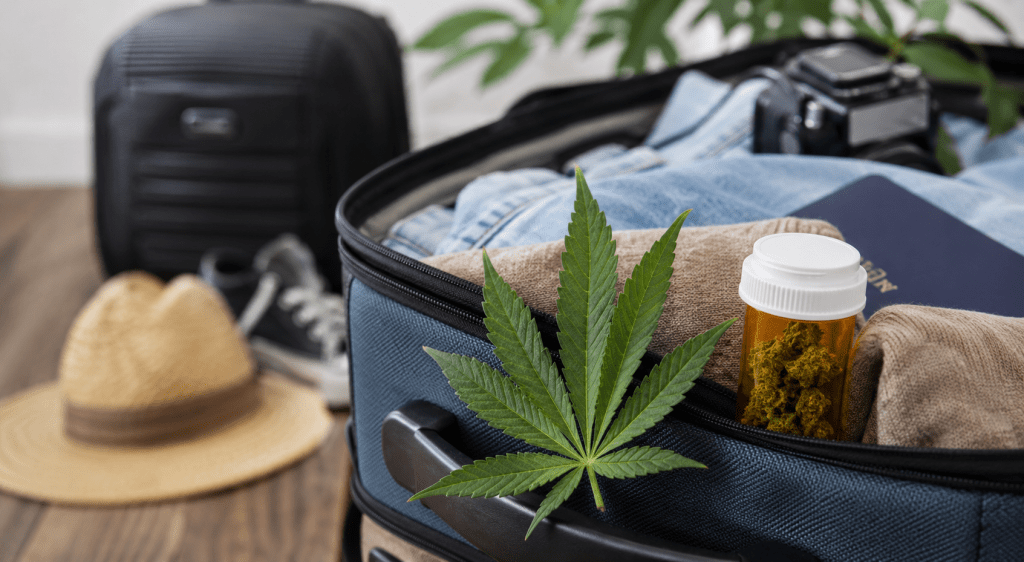
A medical marijuana card can make travel less stressful for qualified patients. It helps verify legal patient status, supports compliance with local regulations, and can improve access to medical cannabis while away from home. Can I Travel with an MMJ Card? Yes, traveling with an MMJ card is possible, but the rules depend on the destination. A medical marijuana card can help verify patient status in states that recognize medical cannabis, but travelers must follow local laws and transportation regulations before carrying or purchasing cannabis products. Why Should I Take My MMJ Card While Travelling? Taking an MMJ card while traveling can help protect access to medical cannabis and provide proof of legal patient status when permitted by local laws. 1. Access Medical Cannabis in Reciprocity States Some states recognize out of state medical marijuana cards through reciprocity programs. According to medical cannabis reciprocity guides, several states allow visiting patients to use valid out of state medical cards under specific conditions. 2. Verify Legal Patient Status An MMJ card serves as official documentation for approved medical cannabis use. 3. Purchase From Licensed Dispensaries Many medical dispensaries require a valid card before completing a sale. 4. Understand Applicable Possession Limits Medical cannabis laws often include patient specific possession allowances. 5. Support Compliance During Air Travel Travel regulations vary by location, making documentation important. The Transportation Security Administration advises travelers to understand state and local cannabis laws before flying. 6. Maintain Consistent Symptom Management Travel can interrupt access to routine healthcare resources. 7. Access Medical Program Benefits Registered patients may receive advantages unavailable to recreational consumers. Industry experts note that medical cannabis cards can improve access to regulated patient services in states that recognize medical marijuana programs. How Do I Best Use a Medical Marijuana Card While Travelling? The best way to use a medical marijuana card while traveling is to treat it as proof of patient status and prepare for the laws at your destination before the trip. Travel with a Med Card for Faster Cannabis Transactions A valid medical marijuana card can make travel more convenient by helping patients access licensed dispensaries and verify their status when allowed by local laws. At Cheap Med Cards, we make the process simple with online MMJ card evaluations, medical marijuana card renewals, and physician consultations, helping qualified patients stay prepared before their next trip. Frequently Asked Questions Can an expired MMJ card affect cannabis purchases while traveling? Yes, it can. Most licensed dispensaries require a valid and active medical marijuana card. An expired card may prevent access to patient services and medical cannabis purchases. Should travelers keep a digital copy of their MMJ card? Yes, keeping a digital copy is a good idea. A backup copy can help if the physical card gets lost, damaged, or misplaced during a trip. Do all dispensaries accept out of state medical marijuana cards? No, they do not. Acceptance depends on state laws and individual dispensary policies. Travelers should confirm eligibility before visiting a dispensary. Can a medical marijuana card help access medical only products? Yes, in some states. Registered patients may gain access to products, formulations, or purchase options that recreational consumers cannot obtain. What should patients check before visiting a dispensary in another state? Patients should review local regulations, reciprocity rules, purchase limits, and identification requirements. Checking these details beforehand can prevent delays during transactions. Does a medical marijuana card need to match a government ID? Yes, it should. Dispensaries typically verify that the information on the MMJ card matches the patient’s government issued identification before completing a purchase.
Why Was My Med Card Rejected? 10 Common Reasons + Solutions

A rejected medical marijuana card application usually stems from missing documents, application mistakes, expired records, or eligibility issues. Identifying the cause can help resolve the problem quickly and improve the chances of approval. Why Was My Med Card Rejected? Identifying the cause can help resolve the problem quickly and improve the chances of approval. 1. Incomplete Application Information Missing details remain one of the most common reasons medical card applications get rejected. State programs often require accurate personal information, signed forms, proof of identity, and payment confirmation. Even a small mistake, such as a misspelled name or an unanswered field, can trigger a denial. Reviewing every section before submission helps prevent avoidable setbacks. 2. Missing or Invalid Proof of Residency Most states require applicants to prove residency before issuing a medical marijuana card. Documents such as a driver’s license, state ID, utility bill, or lease agreement typically satisfy this requirement. If the submitted documents are outdated, unclear, or fail to match the information on the application, the state may reject the request. 3. The Medical Condition Does Not Qualify Every state maintains its own list of qualifying conditions. Some programs include chronic pain, PTSD, cancer, epilepsy, and multiple sclerosis, while others apply stricter criteria. Applications often get denied when the reported condition does not appear on the state’s approved list or lacks sufficient supporting evidence. According to LegalClarity, eligibility requirements vary significantly between state programs, making it essential to verify qualification before applying. 4. Insufficient Medical Documentation Supporting records help validate a patient’s diagnosis and treatment history. Missing physician notes, incomplete medical records, or outdated documentation can prevent reviewers from confirming eligibility. Strong documentation gives state regulators the information needed to process an application efficiently. 5. Problems With the Physician Certification A physician recommendation serves as a critical part of the approval process. Some states only accept certifications from registered or specially authorized healthcare providers. Applications may face rejection if the certification contains errors, lacks required details, expires before submission, or comes from an ineligible practitioner. 6. Application and Document Information Does Not Match State agencies often compare information across multiple documents. Differences in names, addresses, dates of birth, or identification numbers can create verification issues. These discrepancies may appear minor but frequently lead to processing delays or outright rejection until corrected. 7. Age Requirements Were Not Met Medical cannabis programs establish age rules that applicants must follow. Adults generally apply independently, while minors often need parental consent, caregiver registration, or additional documentation. Failure to meet these requirements can result in denial. 8. Certain Criminal History Restrictions Apply Some states place restrictions on applicants with specific criminal convictions, particularly offenses involving drugs or violence. These policies vary by jurisdiction, so approval standards differ across the country. Reviewing state regulations beforehand can help applicants understand potential limitations. 9. The Reviewing Physician Determines Cannabis Is Not Appropriate Approval depends on more than a qualifying diagnosis. A healthcare provider may decline to recommend medical cannabis if existing treatments effectively manage symptoms or if cannabis could create safety concerns based on the patient’s medical history. Medical judgment remains a key part of the evaluation process. According to medical cannabis experts, providers may deny recommendations when potential risks outweigh expected benefits. 10. Expired Identification or Supporting Documents Many applicants overlook expiration dates when gathering paperwork. Expired IDs, outdated certifications, or old medical records can prevent state agencies from verifying eligibility. Replacing outdated documents before submitting an application can reduce the risk of rejection. How Do I Use My Med Card Properly? Using a medical marijuana card properly starts with following state laws, purchasing from licensed dispensaries, and using cannabis as recommended by a qualified healthcare provider. Carry Your Med Card When Purchasing Cannabis Keep the card accessible whenever visiting a dispensary. Most states require patients to present a valid medical marijuana card and government issued identification. Buy Only From Licensed Dispensaries Licensed dispensaries provide products that undergo testing for potency, contaminants, and labeling accuracy. Follow the Recommended Dosage Proper dosing helps patients avoid unpleasant side effects while finding effective symptom relief. Medical cannabis experts consistently recommend a “start low and go slow” approach, especially for new patients. Choose the Right Consumption Method Different products produce different onset times and durations. Selecting the right format can improve the overall treatment experience. Track How Products Affect Symptoms Responses to cannabis vary from person to person. Monitoring results can help identify what works best. Several medical cannabis dosing guides recommend keeping a journal to support more consistent treatment outcomes. Store Cannabis Safely Proper storage helps preserve product quality and prevents accidental access. Understand Product Labels Learning how to read labels helps patients make informed decisions. Avoid Driving While Impaired Medical cannabis can affect reaction time, coordination, and judgment. Discuss Cannabis Use With Healthcare Providers Open communication helps ensure cannabis fits safely into an overall treatment plan. Stay Up to Date on State Regulations Medical marijuana laws can change over time. Understanding current rules helps patients remain compliant. Where Do I Get a Legit Med Card? A legitimate medical marijuana card requires an evaluation from a licensed healthcare provider and approval through a state medical cannabis program. A reliable provider should offer: At Cheap Med Cards, we connect eligible patients with licensed medical marijuana doctors through secure online evaluations and assist with state registration after approval. We also help with new evaluations, renewals, and registration guidance. Get Clear Cannabis Transactions with a Proper Med Card A med card rejection does not always mean the process ends. Review the denial reason, correct the issue, update any missing records, and reapply through a legitimate state approved process. Frequently Asked Questions Can a medical marijuana card application get approved after a previous rejection? Yes, many applicants receive approval after correcting the issue that caused the denial. Updating documents, fixing application errors, or providing additional medical records often improves the chances of approval. How long does it take to get a med card after approval? The timeline depends on the state. Some
What is the Federal Delta 9 THC Limit (And Is It Important)?
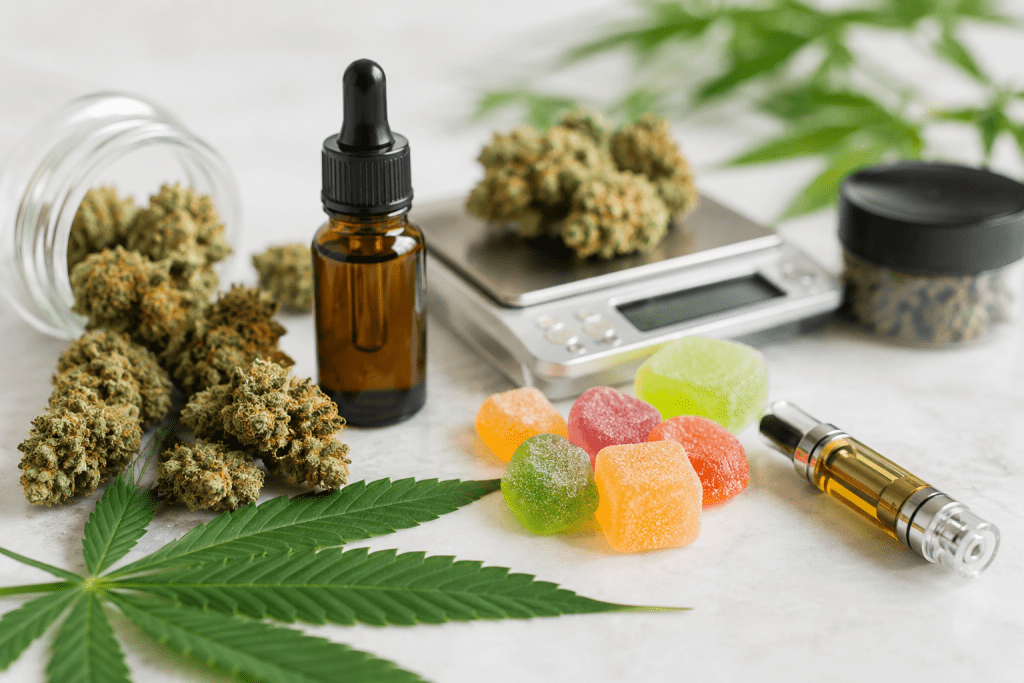
The federal Delta 9 THC limit sits at 0.3% by dry weight under the 2018 Farm Bill. That single number decides if a product qualifies as legal hemp or illegal marijuana under federal law. Many consumers overlook this rule, yet it affects product legality, potency, shipping, and drug testing risks across the country. What’s the Federal Delta 9 THC Limit? Federal law sets the Delta 9 THC limit for hemp products at 0.3% by dry weight. The 2018 Farm Bill established this threshold to separate legal hemp from marijuana. Any cannabis product that exceeds 0.3% Delta 9 THC falls under federal marijuana regulations, even if it comes from hemp. Why is There a THC Limit to Cannabis Products? The THC limit exists to separate legal hemp from federally illegal marijuana and to reduce safety, labeling, and regulatory concerns tied to intoxicating cannabis products. The 0.3% Limit Creates a Legal Boundary The 2018 Farm Bill defines hemp as cannabis containing no more than 0.3% Delta 9 THC by dry weight. Products above that amount fall under federal marijuana laws. Regulators use this cutoff to decide which cannabis products companies can legally grow, sell, transport, and market across state lines. Researchers Originally Used the Limit for Classification The 0.3% standard did not come from medical research on impairment. Canadian scientist Ernest Small introduced the number in 1976 to distinguish low THC hemp from drug type cannabis for agricultural classification purposes. Later, lawmakers adopted that figure into hemp legislation worldwide. Regulators Want to Reduce Public Health Risks Federal agencies continue to raise concerns about unregulated THC products, especially edibles, drinks, and vape products sold outside licensed cannabis markets. The FDA has warned that cannabis derived compounds can create risks for children, pregnant women, and consumers who use mislabeled products. Some experts also worry about highly concentrated hemp products that technically remain under the legal THC percentage by weight. Public health researchers have pointed out that gummies and beverages can still contain intoxicating doses despite meeting federal hemp definitions. The Limit Also Prevents Regulatory Loopholes The hemp market expanded rapidly after companies discovered ways to create intoxicating products from federally legal hemp. Industry analysts and legal experts have noted that manufacturers used the dry weight rule to produce potent Delta 9 edibles and alternative THC products that bypassed stricter marijuana regulations. That legal gray area pushed lawmakers and regulators to revisit hemp rules in several states and newer federal proposals. States and Federal Agencies Still Debate the Rule Many regulators now argue that the current standard no longer reflects the modern cannabis market. Some states started using “total THC” calculations that include compounds like THCA because those cannabinoids convert into Delta 9 THC when heated. The DEA and several state agencies support broader testing methods to close loopholes tied to high potency hemp flower and concentrates. How Do I Know If a Cannabis Product Follows the Law? Checking a product’s THC content, lab testing, and state compliance offers the fastest way to tell if a cannabis product follows the law. Check the Delta 9 THC Content Federal law allows hemp products with no more than 0.3% Delta 9 THC by dry weight. Look for: Some states also regulate THCA because heat converts it into Delta 9 THC. Look for Third Party Lab Testing Reliable brands provide a Certificate of Analysis, also called a COA, from an independent laboratory. Check the COA for: Review State Cannabis Laws Federal hemp rules do not override state laws. Some states restrict or ban certain THC products even if federal law allows them. Before buying: Several states now regulate Delta 8, Delta 9 hemp gummies, and high potency hemp flower separately. Avoid Misleading Marketing Claims Some companies use vague wording to make products appear compliant. Red flags include: The U.S. Cannabis Council and public health groups continue to push for stricter labeling standards because inconsistent packaging confuses consumers. Buy From Licensed or Transparent Sellers Established dispensaries and reputable hemp brands usually follow stricter testing and labeling standards. A trustworthy seller should provide: Brands that hide testing data or legal details often create higher risks for consumers. Stick to the Federal THC Limit to Avoid Problems Sticking to the federal 0.3% Delta 9 THC limit helps consumers avoid legal issues, failed drug tests, and questionable products. Checking lab reports, product labels, and local laws before buying can prevent unnecessary risks. For people who want legal access to cannabis products through state approved programs, Cheap Med Cards help simplify the process with online medical marijuana card evaluations, doctor consultations, and MMJ card renewal services across eligible states. Frequently Asked Questions Does the federal THC limit apply to CBD products? Yes, CBD products made from hemp must still stay under the 0.3% Delta 9 THC limit. Many consumers assume CBD products contain zero THC, but some full spectrum formulas include small legal amounts. Can hemp products still cause a failed drug test? Yes, some hemp products can trigger a positive drug test. Regular use of Delta 9 THC, full spectrum CBD, or other THC cannabinoids may leave detectable traces in the body. Why do some hemp gummies feel stronger than expected? Some hemp edibles contain higher THC amounts because manufacturers calculate legality by dry weight. Large gummies and drinks can legally contain several milligrams of Delta 9 THC while staying under the federal percentage limit. Are online THC products legal in every state? No, several states restrict or ban certain hemp derived THC products. A product may qualify under federal law but still violate state cannabis regulations. What does “full spectrum” mean on cannabis labels? Full spectrum means the product contains multiple cannabis compounds, including cannabinoids and terpenes. These products may also include trace amounts of THC alongside CBD or other hemp compounds. Can travelers carry legal hemp products across state lines? Federal law allows compliant hemp products to move across state lines, but local enforcement and state restrictions can still create issues. Travelers should always review destination laws before carrying
Medical Marijuana for Anxiety Dosage: Key Factors to Check

Finding the right medical marijuana dosage for anxiety depends on several factors, including symptom severity, THC and CBD content, tolerance level, and method of consumption. Understanding these key factors can help patients choose a dose that supports anxiety relief while reducing the risk of unwanted effects. Can Medical Marijuana Help with Anxiety? Medical marijuana may help reduce anxiety symptoms for some patients, particularly products that contain cannabidiol (CBD). A 2025 systematic review published in Psychiatry Research analyzed 57 studies and found that 70% of the highest quality studies reported improvements in conditions such as generalized anxiety disorder, social anxiety disorder, and post traumatic stress disorder. However, the researchers also noted that evidence on long term effectiveness remains limited and called for more standardized clinical research on dosage and cannabinoid formulations. How Do I Correctly Dose Medical Cannabis for Anxiety? Correct dosing usually starts with a low amount of THC, a CBD dominant product, or both, then increases slowly based on symptom response and side effects. Product Type Starting Dose Wait Time Before Adjusting Best For Key Caution CBD dominant oil or capsule 5 to 10 mg CBD 2 to 3 days Daily anxiety support May interact with some medications Balanced CBD and THC product 2.5 mg THC with CBD 2 to 3 days Mild anxiety with tension or sleep issues THC may worsen anxiety at higher doses THC edible or capsule 1 to 2.5 mg THC At least 2 hours per dose Longer lasting relief Avoid taking more too soon Inhaled cannabis 1 small puff 10 to 15 minutes Faster symptom relief Effects can feel stronger quickly Dose increase Add 1 to 2.5 mg THC at a time Every few days Finding the lowest helpful dose Stop increasing if anxiety, dizziness, or racing thoughts occur The safest approach uses the lowest dose that eases symptoms without causing impairment. Utah’s medical cannabis program advises patients to “start low and go slow,” especially with THC products, since unwanted psychoactive effects can appear when patients increase too quickly. Disclaimer: This content offers general advice only. Patients should consult licensed medical cannabis doctors before starting, changing, or combining cannabis products for anxiety. What are the Best Cannabis Products for Anxiety? CBD dominant products and low THC formulations are often the preferred options for anxiety because they can provide calming effects with a lower risk of triggering anxious feelings. Choosing the right product depends on symptom severity, desired onset time, lifestyle preferences, and individual sensitivity to cannabinoids. Many patients start with CBD focused products before considering options that contain THC. Deal with Anxiety Holistically Managing anxiety often requires a combination of healthy habits, stress management techniques, and guidance from qualified healthcare professionals. If you’re looking to use medical cannabis for anxiety, Cheap Med Cards helps patients connect with licensed medical cannabis doctors, complete medical marijuana evaluations, and get support throughout the medical card application process, making access to care more straightforward and convenient. Frequently Asked Questions Can anxiety get worse with medical marijuana? Yes, it can. Higher THC concentrations may trigger nervousness, racing thoughts, or increased discomfort in some individuals. People who are sensitive to THC often respond better to CBD dominant products or formulations with lower THC levels. How long does medical cannabis take to relieve anxiety? The timing depends on the product type. Inhaled cannabis can produce effects within minutes, while edibles and capsules may take one to two hours. Oils and tinctures often fall between these ranges. Can medical cannabis help with anxiety related sleep problems? Yes, some patients use medical cannabis to address anxiety that interferes with sleep. Products that contain balanced amounts of CBD and THC may help promote relaxation before bedtime when used appropriately. Is it safe to use medical cannabis alongside anxiety medications? Not always. Cannabis may interact with certain prescription medications and affect how the body processes them. A healthcare professional should review all medications before cannabis use begins. Do cannabis strains matter when treating anxiety? Yes. Different strains contain varying cannabinoid and terpene profiles that can influence the overall experience. Many patients prefer products formulated for calming effects rather than those associated with stimulation or increased mental activity.
What Happens During A Medical Marijuana Evaluation?

Getting approved for medical marijuana often feels confusing at first, especially for those unsure about the process. A medical marijuana evaluation is simply a focused consultation where a licensed doctor reviews symptoms, medical history, and treatment needs to determine eligibility. Knowing what actually happens during this visit helps remove uncertainty and makes the next steps easier to navigate. What is a Medical Marijuana Evaluation? A medical marijuana evaluation is a clinical assessment where a licensed physician determines if a patient qualifies for cannabis as a treatment. The doctor reviews medical history, current symptoms, and past treatments, then checks if the condition meets state guidelines. If the patient qualifies, the physician provides a recommendation or certification needed to access medical marijuana legally. How Does A Medical Marijuana Evaluation Go? A medical marijuana evaluation follows a clear and structured process focused on eligibility and safety. The doctor reviews key details, asks targeted questions, and makes a decision based on state guidelines. Step #1. Schedule the Appointment The patient books an evaluation online or in person through a licensed provider. Many choose services like Cheap Med Cards for a faster and more convenient setup. Step #2. Complete Intake Forms The patient fills out basic forms that cover medical history, current symptoms, and any past treatments. Accurate details help the doctor make a proper assessment. Step #3. Speak With the Physician The doctor discusses symptoms, treatment goals, and previous medications. The patient answers direct questions about how the condition affects daily life. Step #4. Receive Eligibility Decision The physician checks if the condition meets state requirements. If it qualifies, the doctor approves the patient for medical marijuana use. Step #5. Get Certification The patient receives a recommendation or certification. This document allows the patient to apply for a medical marijuana card or access dispensaries, depending on local rules. When Should I Get a Medical Cannabis Evaluation? A medical cannabis evaluation makes sense when symptoms persist and standard treatments fail to provide relief. It helps confirm if cannabis qualifies as a suitable option based on medical need. How Do I Prepare for a Medical Marijuana Evaluation? Preparing for a medical marijuana evaluation requires simple steps that help the doctor assess eligibility quickly and accurately. Clear information and honest answers lead to a smoother process and better outcomes. Medical Marijuana May Be Your Choice Medical marijuana can offer a practical option when other treatments fall short. We make the process simple at Cheap Med Cards by connecting patients with licensed doctors who provide fast and reliable evaluations. Frequently Asked Questions How long does a medical marijuana evaluation take? Most evaluations take about 10 to 20 minutes, depending on the condition and discussion. Do all states accept the same qualifying conditions? No. Each state sets its own list of approved conditions and rules for eligibility. Can a patient get denied during an evaluation? Yes. A doctor may deny approval if the condition does not meet state guidelines or lacks proper documentation. Is an in person visit required for the evaluation? Some states allow online consultations, while others require an in person visit with a licensed physician. How long does a medical marijuana certification last? Validity depends on state rules, but most certifications last between one and two years. Can a patient switch doctors after getting approved? Yes. A patient can choose a different provider for renewals or follow up care if needed.