
Common Side Effects of Medical Marijuana & How to Manage Them
Medical marijuana, while offering therapeutic benefits for various conditions, can also cause side effects. Understanding these potential side effects and how to manage them is crucial for patients to safely and effectively utilize medical cannabis. This guide will help you navigate common side effects and empower you to have a positive experience with your treatment. For more information on qualifying conditions in your state, check out our guides on West Virginia qualifying conditions, Virginia qualifying conditions, and Florida qualifying conditions to see if medical marijuana is right for you.
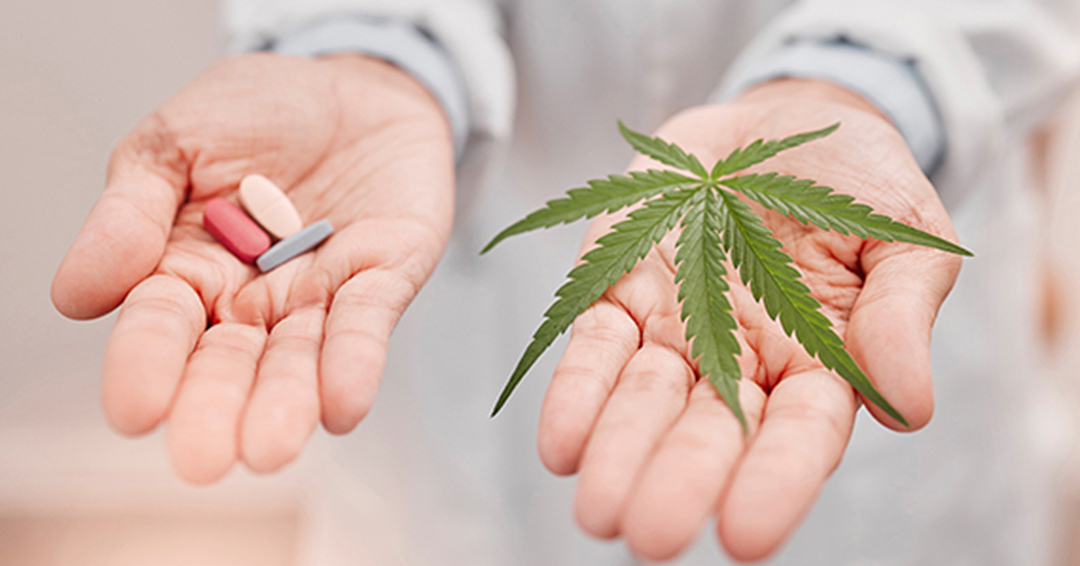
Common Side Effects of Medical Marijuana
The side effects of medical marijuana can vary greatly depending on the individual, the strain consumed, the method of consumption (smoking, edibles, etc.), dosage, and individual sensitivities. Some individuals may experience minimal or no side effects, while others may experience more pronounced ones. For example, if you are consuming edibles, remember to read our blog on how to recover from edibles if you happen to consume too much.
Cognitive Effects
Some common cognitive side effects include:
- Memory impairment: Short-term memory problems can occur, especially with high THC strains. This is often temporary and can be mitigated by adjusting dosage and using strains lower in THC.
- Difficulty concentrating: Some individuals report difficulty focusing or concentrating after consuming marijuana. Choosing a different strain or adjusting your dosage can help.
- Impaired judgment: Similar to impaired concentration, changes in judgment can be a side effect of high THC strains, potentially leading to unsafe behavior.
- Paranoia and anxiety: These can be more common with high-THC cannabis, especially in individuals prone to anxiety. Lower THC strains or CBD-dominant products might be more suitable. Learn more about how cannabis interacts with other mental health conditions.
Physical Effects
Physical side effects are also possible, including:
- Dry mouth and throat: This is a very common side effect. Staying hydrated by drinking plenty of water can help alleviate this.
- Dry eyes: Similar to dry mouth, dry eyes can be uncomfortable. Artificial tears can provide relief.
- Increased appetite (the “munchies”): While not always negative, increased appetite can lead to weight gain if not managed. Eating healthy snacks and mindful eating habits can help.
- Drowsiness and fatigue: This is particularly common with indica strains or high-CBD products. Avoid driving or operating machinery if you feel drowsy. This may also interact with certain medications; consider reading our blog about Zoloft and weed.
- Dizziness and lightheadedness: If you experience dizziness, sit or lie down until it subsides.
- Headache: For some, marijuana can induce headaches. If you’re experiencing headaches, talk to your doctor to rule out other causes and find an alternative remedy or treatment option.
Other Potential Side Effects
Less common side effects may include:
- Increased heart rate: This is more likely with higher doses. Consult your doctor if you have any concerns about heart health.
- Low blood pressure: This can lead to lightheadedness. Stay hydrated and be aware of your surroundings.
- Hallucinations: This is rare but possible, particularly with high potency strains.
Managing Side Effects
Many side effects of medical marijuana can be managed by:
- Adjusting your dosage: Starting with a low dose and gradually increasing as needed can help minimize side effects.
- Choosing the right strain: Different strains have different effects. Sativa strains are generally more energizing, while indica strains tend to be more relaxing. CBD dominant strains can be beneficial for reducing anxiety. To understand the potential benefits of various strains, please read more on the remarkable effects of terpenes and their benefits.
- Changing your consumption method: Some methods of consumption (e.g., edibles) might have different side-effect profiles compared to others. Experiment to find what works best for you.
- Staying hydrated: Drinking plenty of water can help alleviate dry mouth and eyes.
- Eating healthy snacks: Manage the munchies by choosing healthy options rather than processed foods.
- Seeking support: Talk to your doctor or a qualified medical professional if you experience persistent or concerning side effects.
Conclusion
While medical marijuana offers numerous therapeutic benefits, it’s essential to be aware of its potential side effects. By understanding these possibilities and implementing effective management strategies, patients can significantly improve their experience with medical cannabis treatment. If you’re ready to start your medical marijuana journey, visit our apply now page to begin the process. Remember to consult with a medical professional to determine if medical cannabis is appropriate for your specific health needs, and to discuss any concerns you may have. For more information on obtaining a medical card, check out our guides on getting a medical card in Virginia, how to get a medical card in Virginia, or getting a medical card in Florida.