Zoloft and Weed: Why Mixing Isn’t a Good Idea
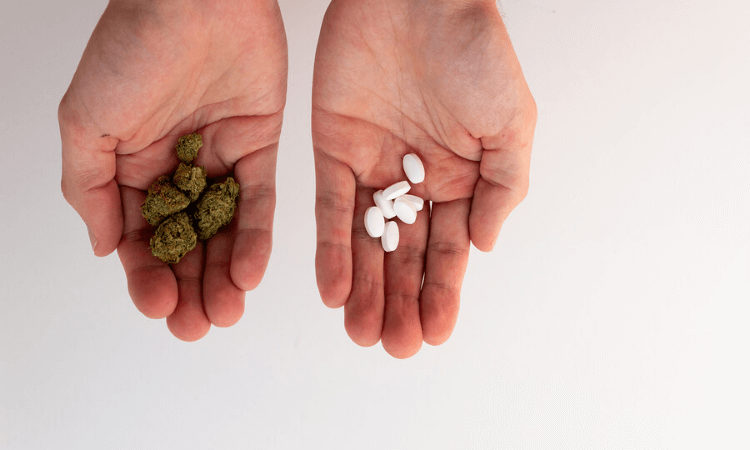
Many individuals explore alternative treatments for managing their mental health. While medical marijuana has shown promise in treating various conditions, combining it with prescription medications, such as Zoloft (sertraline), requires careful consideration. This article explores the potential risks and interactions between Zoloft and cannabis, emphasizing the importance of consulting your doctor before mixing these substances. We’ll explore the reasons why this combination is often discouraged and offer guidance on navigating this complex interplay between medication and alternative therapies. You might find our article on
qualifying conditions for a medical marijuana card helpful in understanding the overall process and potential benefits.
Understanding Zoloft
Zoloft is a selective serotonin reuptake inhibitor (SSRI) commonly prescribed to treat depression, anxiety, obsessive-compulsive disorder (OCD), panic disorder, and post-traumatic stress disorder (PTSD). It works by increasing the levels of serotonin in the brain, a neurotransmitter linked to mood regulation. It’s crucial to understand the mechanism of action of your prescribed medications before considering any alternative treatments.
The Effects of Cannabis
Cannabis contains various cannabinoids, including THC (tetrahydrocannabinol) and CBD (cannabidiol), each with distinct effects on the body and mind. THC is primarily psychoactive, affecting mood, perception, and cognition, while CBD is generally considered non-psychoactive and is being studied for its potential therapeutic benefits in a variety of areas, including anxiety and pain relief. For more information on the potential benefits of CBD, check out our blog post on
the revolutionary potential of CBD in modern medicine.
Potential Interactions Between Zoloft and Cannabis
The primary concern when combining Zoloft and cannabis is the potential for serotonin syndrome. This is a serious condition that can occur when serotonin levels in the brain become dangerously high. Symptoms of serotonin syndrome include confusion, agitation, restlessness, rapid heart rate, high blood pressure, dilated pupils, loss of coordination, muscle rigidity, and fever. In severe cases, it can be life-threatening.
While rare, the combination of an SSRI like Zoloft and cannabis, which can also affect serotonin levels, increases the risk of serotonin syndrome. The exact mechanism of how cannabis impacts serotonin is still under investigation, highlighting the need for caution. Furthermore, cannabis can also exacerbate existing anxiety or depression symptoms in some individuals, potentially counteracting the therapeutic effects of Zoloft. For more information on the research surrounding cannabis and mental health, see our article on
the benefits of medical cannabis for patients with mental health issues.
Other Potential Side Effects
- Increased drowsiness or sedation
- Impaired cognitive function
- Increased risk of cardiovascular problems
Why It’s Crucial to Talk to Your Doctor
Before using cannabis while taking Zoloft, it’s imperative to consult your physician or psychiatrist. They can assess your individual risk factors, monitor for potential side effects, and help you make informed decisions about your treatment plan. They can also discuss alternative methods for pain management and mental health support if needed. For further information about the benefits of getting a medical marijuana card, consider reading our comprehensive guide
on obtaining a medical marijuana card.
Seeking Safe and Effective Treatment
Remember, responsible use of any substance requires careful consideration and professional guidance. While medical marijuana offers potential benefits for various conditions, combining it with certain medications, particularly SSRIs like Zoloft, carries inherent risks. Always prioritize open communication with your healthcare providers to ensure your safety and well-being. We have published various studies and relevant information on our site that supports our claims. If you need a medical marijuana card in your state, our services can help. See our previous blog on
new studies on medical marijuana and
additional studies.
Our goal is to provide accurate and informative content; however, it’s essential to consult with healthcare professionals for personalized advice. This information should not be taken as medical advice.
Disclaimer:
This information is for educational purposes only and does not constitute medical advice. Always consult with a qualified healthcare professional before making any decisions related to your health or treatment.