
The Remarkable Effects of Terpenes and Their Benefits
Beyond the well-known cannabinoids like THC and CBD, lies a world of aromatic compounds called terpenes. These naturally occurring substances are responsible for the diverse smells and flavors of cannabis, but their influence extends far beyond mere scent. Terpenes interact synergistically with cannabinoids, a phenomenon known as the “entourage effect,” to potentially enhance the therapeutic benefits of medical marijuana. Learning about terpenes can significantly improve your understanding of how cannabis can address a wide range of medical conditions, as discussed in our blog post on the potential benefits of medical cannabis for various health issues. This article will delve into the remarkable effects of terpenes and explore their potential health benefits.
What are Terpenes?
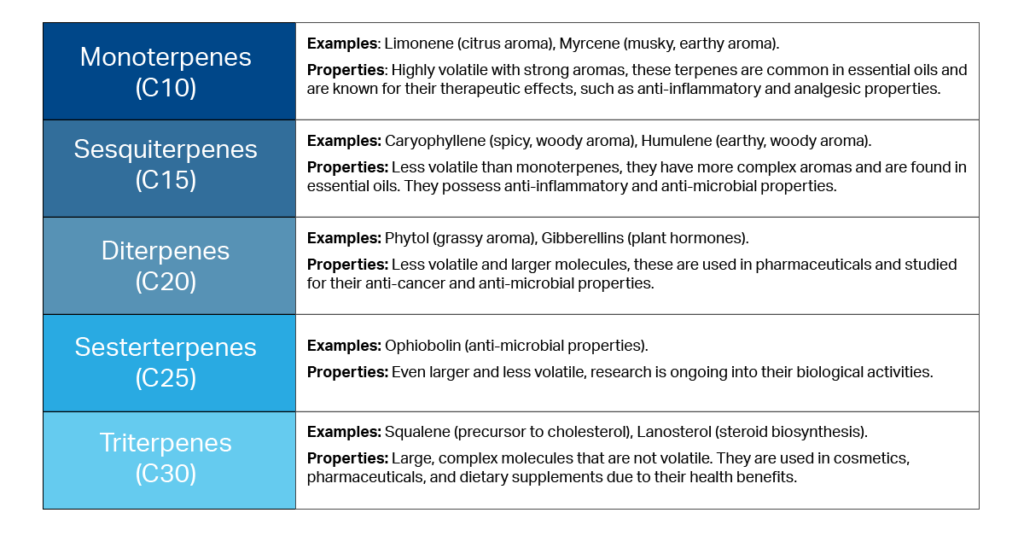
Terpenes are organic compounds produced by a wide variety of plants, including cannabis. They are responsible for the distinctive aromas and flavors of many fruits, flowers, and herbs. In cannabis, terpenes contribute to the plant’s unique “fingerprint,” creating a complex profile that varies depending on the strain. More information on the impact of different terpene profiles can be found in our comprehensive guide on growing your own cannabis and understanding its complexities. These compounds are not only responsible for the smell and taste, but also play a crucial role in the plant’s defense mechanisms and attraction of pollinators.
Common Terpenes and Their Effects
Numerous terpenes exist in cannabis, each with its own unique properties and potential therapeutic effects. Some of the most common include:
- Pinene: Known for its piney scent, pinene may have bronchodilating effects, potentially beneficial for respiratory conditions. It’s also being studied for its potential cognitive-enhancing properties.
- Limonene: This citrusy terpene is often associated with uplifting moods and may help reduce anxiety. It’s also known for its antimicrobial properties.
- Linalool: Possessing a floral and lavender-like scent, linalool is known for its calming and relaxing effects, potentially useful for managing stress and anxiety.
- Caryophyllene: This spicy terpene has demonstrated anti-inflammatory and analgesic properties, showing potential in pain management. Research into caryophyllene is quite extensive, making it a fascinating area of study for its health implications.
- Humulene: This earthy, hoppy terpene is often found in hops and cannabis. It’s known for its potential anti-inflammatory and appetite-suppressing properties, and research suggests other potential benefits for treating nausea and inflammation.
The Entourage Effect: Terpenes and Cannabinoids Working Together
The interaction between terpenes and cannabinoids is a key factor in the therapeutic potential of cannabis. The entourage effect suggests that the combined action of these compounds is greater than the sum of their individual effects. For example, the combination of THC and terpenes can potentially lead to enhanced pain relief, reduced anxiety, and improved mood regulation compared to using THC alone. Understanding the entourage effect is crucial for selecting cannabis strains suited to your specific needs. This is further discussed in our blog focusing on the revolutionary potential of CBD, and its synergistic actions with terpenes.
Potential Therapeutic Benefits of Terpenes
While research is ongoing, many studies suggest that terpenes may offer various therapeutic benefits when combined with cannabinoids. These include:
- Pain relief: Several terpenes, such as caryophyllene and pinene, have demonstrated anti-inflammatory and analgesic properties.
- Anxiety reduction: Limonene and linalool may help reduce anxiety and promote relaxation.
- Improved sleep: Certain terpenes may help regulate sleep cycles and improve sleep quality.
- Anti-inflammatory effects: Many terpenes show potential in reducing inflammation in the body.
- Antimicrobial properties: Some terpenes exhibit antimicrobial activity, potentially useful in treating infections.
It’s important to remember that the therapeutic potential of terpenes is still being actively researched. While promising, further studies are needed to fully understand their efficacy and safety.
Choosing the Right Cannabis Strain
The terpene profile of a cannabis strain significantly impacts its effects. By understanding the properties of different terpenes, you can make informed decisions about choosing strains that align with your specific therapeutic needs. For example, if you’re looking for relaxation, you might choose a strain rich in linalool. For pain relief, you may look for a strain high in caryophyllene. For further guidance on choosing the right strain, you can refer to our blog post on navigating the complexities of choosing a cannabis strain. Always consult with your physician before using medical marijuana, especially if you have pre-existing health conditions or are taking other medications.
Conclusion
Terpenes are powerful aromatic compounds that play a significant role in the therapeutic potential of medical cannabis. Their synergistic interaction with cannabinoids creates the entourage effect, enhancing the overall therapeutic benefits. By understanding the unique properties of different terpenes, individuals can choose cannabis strains that best address their specific health needs. Remember to always consult with a qualified healthcare professional before using medical marijuana and to obtain your medical marijuana card through proper channels, as described in our guide on acquiring a medical marijuana card. The information in this blog is for educational purposes and should not be considered medical advice.