Will Federal Marijuana Legalization Happen in 2022?
The question of federal marijuana legalization in 2022 remains a complex one, fraught with political maneuvering, economic considerations, and deeply rooted social biases. While significant strides have been made towards decriminalization and legalization at the state level, the path to federal legalization is far from straightforward. This article will delve into the factors influencing the likelihood of federal action in 2022 and beyond.
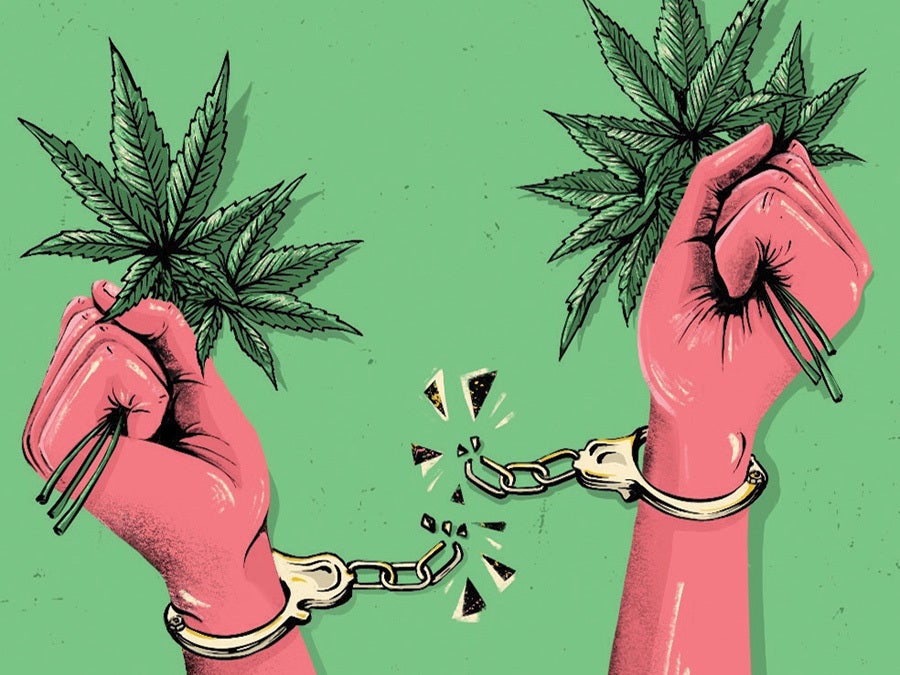
Shifting Public Opinion and Political Winds
Public support for marijuana legalization has surged in recent years, with a majority of Americans now favoring either full legalization or at least decriminalization. This shift in public opinion has put increasing pressure on lawmakers to address the issue. Several states have already legalized recreational marijuana, and others are actively considering similar legislation. This growing acceptance, coupled with the potential for significant tax revenue, has swayed some previously hesitant politicians. Learn more about the evolving legislative landscape in states like Virginia by reading our detailed analysis on
Virginia’s updated legislation for medical marijuana access. Furthermore, the successes of states with legalized recreational use might encourage other states, and even sway Federal legislators, to adopt a more favorable stance on the issue. You might find our blog on the successes of
Connecticut’s legalization bill of particular interest.
Economic Incentives and Tax Revenue
The potential for substantial tax revenue from legalized marijuana is a powerful incentive for many states and even the federal government. Legalized cannabis markets are already generating billions of dollars in revenue in states where it’s legal, creating jobs and boosting local economies. This revenue stream could help alleviate budget shortfalls and fund crucial public services. For a deeper dive into the financial implications, check out our market analysis on
the marijuana market.
Obstacles to Federal Legalization
Despite the growing momentum, several significant obstacles remain. Deep-seated concerns about the potential public health consequences, particularly regarding addiction and impaired driving, continue to fuel opposition. Furthermore, concerns about the potential impact on the black market need to be addressed. Conservative lawmakers continue to resist efforts at legalization, citing concerns about potential societal effects.
Federal agencies such as the DEA still classify marijuana as a Schedule I substance, alongside heroin and LSD, despite growing evidence of its medicinal value. This classification severely limits research into the potential benefits and risks of cannabis, hindering a more informed policy debate. We explore this in more detail in our piece on
a new study released about medical marijuana.
Potential Pathways to Federal Legalization
Several potential pathways to federal legalization exist, including comprehensive legislation, incremental steps like rescheduling marijuana, or even a combination of both. The SAFE Banking Act, for example, focuses on banking and financial regulation for the cannabis industry, rather than outright legalization. This is a significant step towards a more regulated and transparent industry.
Another key factor is the Biden administration’s stance. While President Biden has expressed support for decriminalization, his administration has yet to take bold steps towards full legalization. This ambiguity creates uncertainty, hindering significant federal action.
The Future of Federal Marijuana Legalization
Predicting the future of federal marijuana legalization is difficult. While public support continues to grow and the economic incentives are clear, the political obstacles remain significant. The coming months and years will likely see continued debate and legislative maneuvering at both the state and federal levels. The potential impact of upcoming elections and shifts in political power also remain crucial factors. For more information on the potential medicinal benefits of cannabis, read our detailed blog on
the potential benefits of medical cannabis for ALS treatment and explore
another recent study examining the efficacy of marijuana for various health conditions.
Meanwhile, obtaining a medical marijuana card remains a crucial step for patients seeking access to cannabis for therapeutic purposes in states where it is legal. We at [Your Company Name] are committed to guiding you through the process, ensuring you receive the support and resources you need. Discover the benefits of having a medical marijuana card by visiting our page on
the benefits of a medical marijuana card.
Stay informed about the latest developments in marijuana legislation by following our blog and exploring more of our articles on medical marijuana benefits. We’re constantly updating our resources to help you understand the ever-evolving world of cannabis.