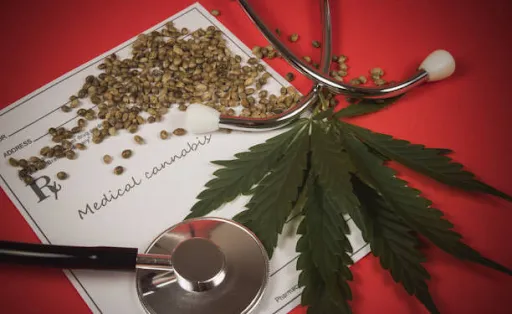

Amyotrophic Lateral Sclerosis (ALS), commonly known as Lou Gehrig’s disease, is a neurodegenerative disorder characterized by motor neuron damage, leading to various physical impairments. Conventional medicines may not always be effective in alleviating the symptoms of ALS, prompting patients to explore alternative treatments. Among these alternatives, medical cannabis has emerged as a potential option for providing relief and improving the quality of life for ALS patients. In this article, we will delve into the details of ALS and cannabis treatment, highlighting how medical marijuana could be beneficial in managing the symptoms of this debilitating condition.
Understanding Amyotrophic Lateral Sclerosis (ALS)
Amyotrophic Lateral Sclerosis affects the neurons in the brain and spinal cord, which are responsible for transmitting messages to muscles throughout the body. As the disease progresses, it can hinder a person’s ability to speak, eat, move, and even breathe, leading to severe disabilities and, in extreme cases, fatality. There are two types of ALS: sporadic and familial. While the exact cause of ALS remains unknown, hereditary factors are believed to play a role in its development. Currently, there is no known cure for ALS, making it essential to explore alternative therapies to improve patients’ well-being.
The Potential of Medical Cannabis for ALS Treatment

Medical cannabis has shown promise in enhancing the quality of life for individuals living with ALS. With the legal acceptance of medical marijuana in numerous states, an increasing number of ALS patients are turning to cannabis to alleviate their symptoms. A significant percentage of young adults in the United States support the medical use of cannabis, and many states approve its use to ease muscle spasticity, one of the most common symptoms of ALS.
Easing Muscle Spasticity
Muscle spasticity is a condition characterized by the involuntary contraction and stiffness of muscles, causing intense pain and discomfort for those affected. Medical cannabis has demonstrated its potential in reducing muscle spasticity, thereby providing relief and improving mobility for ALS patients.
Mitigating Chronic Pain
ALS patients often experience chronic pain as the disease progresses. While conventional painkillers may offer temporary relief, they come with the risk of addiction and liver damage. Medical cannabis presents a natural alternative to managing chronic pain without the same adverse side effects.
Managing Eating Disorders
Combining cognitive behavioral therapy with medical cannabis may help ALS patients deal with eating disorders that can arise due to the disease. Cannabis has been known to stimulate appetite, potentially assisting individuals in maintaining a healthy diet despite the challenges presented by ALS. This can be particularly beneficial for conditions like anorexia.
Methods of Consuming Medical Cannabis for ALS

There are several methods of consuming medical cannabis, and ALS patients can choose the one that suits them best. Some common methods include:
Smoking: This is the most common method among younger to mid-aged ALS patients. However, smoking poses risks to respiratory health, and patients should be cautious when opting for this method.
Edibles: ALS patients can enjoy cannabis in various forms such as gummies, chewable tablets, and marijuana-infused brownies. Edibles provide a longer-lasting effect, but they take longer to produce noticeable results compared to smoking. Learn more about smoking vs. edibles to choose the best option.
Topical Application: Patients can use topical medical marijuana to treat localized pain and discomfort. By applying cannabis-infused topicals externally to the affected area, patients can experience pain relief.
States Where ALS Patients Qualify for Medical Cannabis
A considerable number of states have approved medical cannabis for ALS patients. Those living in the following states qualify for medical cannabis therapy:
While the states of Maryland, Montana, and Rhode Island do not explicitly list ALS as a qualifying medical condition, individuals experiencing muscle spasms due to ALS may still be eligible for cannabis treatment.
Conclusion
Medical cannabis holds promise in improving the lives of ALS patients by providing relief from symptoms such as muscle spasticity, chronic pain, and eating disorders. However, it is essential to approach cannabis treatment with caution, as with any other medication. Consulting with a medical marijuana doctor to obtain a cannabis card and gain more information about the treatment is strongly recommended. By exploring the potential benefits of medical cannabis for ALS treatment, patients may find new avenues to manage their condition and enhance their overall well-being.