The Truth About Getting Addicted to Medical Marijuana
Many people considering medical marijuana worry about the potential for addiction. It’s a valid concern, and understanding the reality of marijuana addiction is crucial before making any decisions about its use for medical purposes. This blog post will explore the facts surrounding marijuana addiction, dispelling common myths and providing a clearer picture of its risks and benefits.
Understanding Marijuana’s Addictive Potential
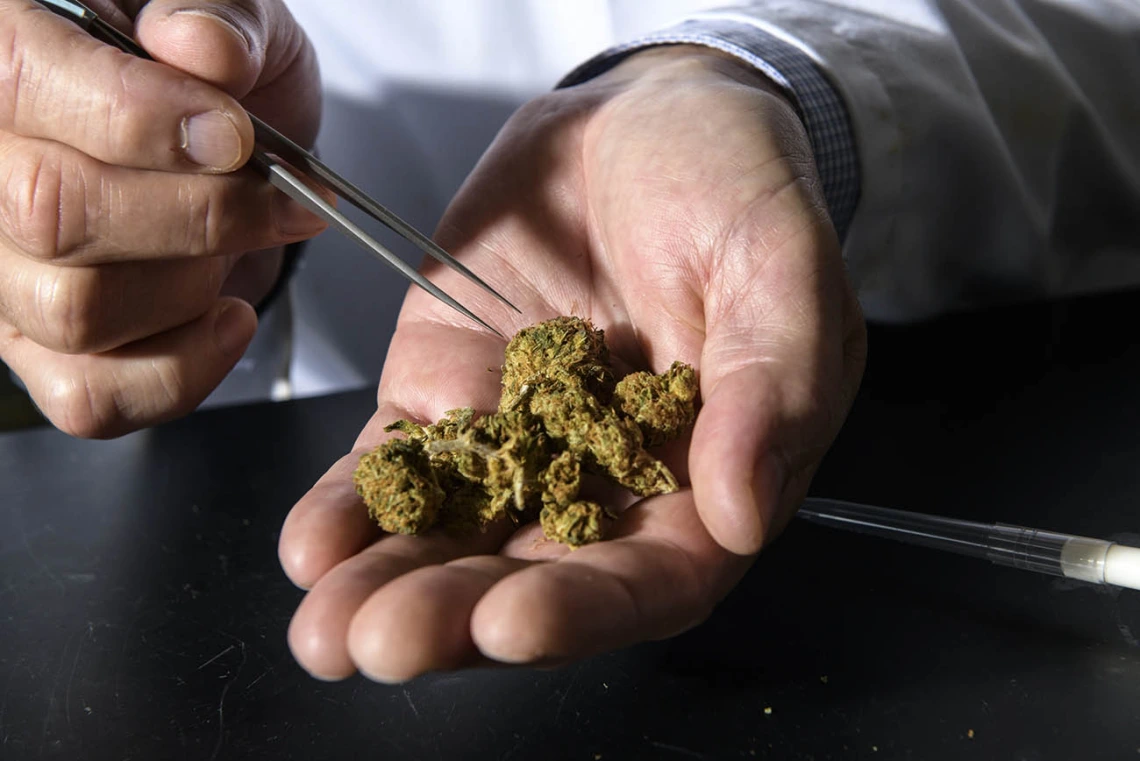
While marijuana is less physically addictive than substances like opioids or nicotine, it’s not entirely without risk. The potential for addiction depends on several factors including genetics, the frequency and method of use, and pre-existing mental health conditions. Regular, heavy use, particularly of high-potency strains, significantly increases the risk of developing a dependence. For more information on how to choose the right strain and method of use for your needs, check out our blog on choosing the best method for you. The potential risks associated with marijuana use are also dependent on the existing health conditions it is being used to treat. For example, it is not always wise to mix certain medications with weed. You can check out our article on the dangers of mixing Zoloft and weed.
Risk Factors for Marijuana Addiction
Several factors can increase the likelihood of developing a marijuana use disorder. These include:
- Early initiation of use: Starting marijuana use at a younger age increases the risk of addiction.
- Family history of addiction: A genetic predisposition to addiction can make individuals more susceptible.
- Pre-existing mental health conditions: Conditions such as anxiety and depression can increase the risk of both substance abuse and dependence.
- Method of use: Smoking or vaping marijuana can lead to more rapid absorption and higher addiction potential compared to edibles.
Signs of Marijuana Addiction
Recognizing the signs of marijuana addiction is vital for seeking help. Some common indicators include:
* A strong craving for marijuana.
* Unsuccessful attempts to cut back or quit.
* Spending excessive time obtaining, using, or recovering from marijuana use.
* Continued use despite experiencing negative consequences (relationship problems, job loss, etc.).
* Neglecting responsibilities due to marijuana use.
Treatment for Marijuana Addiction
If you or someone you know is struggling with marijuana addiction, several treatment options are available. These can include therapy, support groups, and medication in some cases. Early intervention is crucial for successful outcomes. You may want to learn more about the benefits of CBD for addiction recovery as well.
Medical Marijuana and Addiction: A Balanced Perspective
The use of medical marijuana doesn’t automatically equate to addiction. For many patients, it provides significant relief from symptoms associated with chronic illnesses like chronic pain, epilepsy, or multiple sclerosis. However, responsible use, careful monitoring, and an awareness of potential risks are vital. For patients seeking medical marijuana, starting with a low dose and carefully tracking effects is recommended. Always discuss your medical history and any potential drug interactions with a physician before beginning medical cannabis use. For more information on obtaining a medical marijuana card in your state, you can check out our state-specific guides, like our page on Virginia Medical Marijuana, the Virginia medical cannabis program, or our Oklahoma medical card application guide.
Seeking Professional Help
If you’re concerned about your marijuana use or suspect you may have a problem, reaching out to a healthcare professional is crucial. They can provide an accurate assessment, recommend appropriate treatment strategies, and offer support in your journey to recovery.
Conclusion
The relationship between medical marijuana and addiction is complex. While marijuana has a lower potential for physical dependence than other substances, it can still be addictive, especially with heavy or prolonged use. Understanding the risk factors, signs of addiction, and available treatment options is essential for making informed decisions about medical marijuana use. If you have concerns about addiction or need assistance, seek professional help immediately.
Remember to consult our other resources for more information on medical marijuana laws in various states and qualifying conditions for medical cards: Cannabis Laws by State.