
Michigan Medical Marijuana Card: Your Guide to Access and Benefits
Michigan has been a leader in medical marijuana legalization since the passage of the Michigan Medical Marihuana Act in 2008, allowing patients with debilitating conditions to access cannabis for therapeutic purposes. A Michigan medical marijuana card provides legal protection, tax savings, and access to high-potency products, making it a valuable option even in a state where recreational cannabis is legal. This comprehensive guide covers the eligibility requirements, application process, benefits, and key considerations for obtaining a Michigan medical marijuana card, with insights into related programs like those in our guide to qualifying conditions for a medical marijuana card.
Overview of Michigan’s Medical Marijuana Program
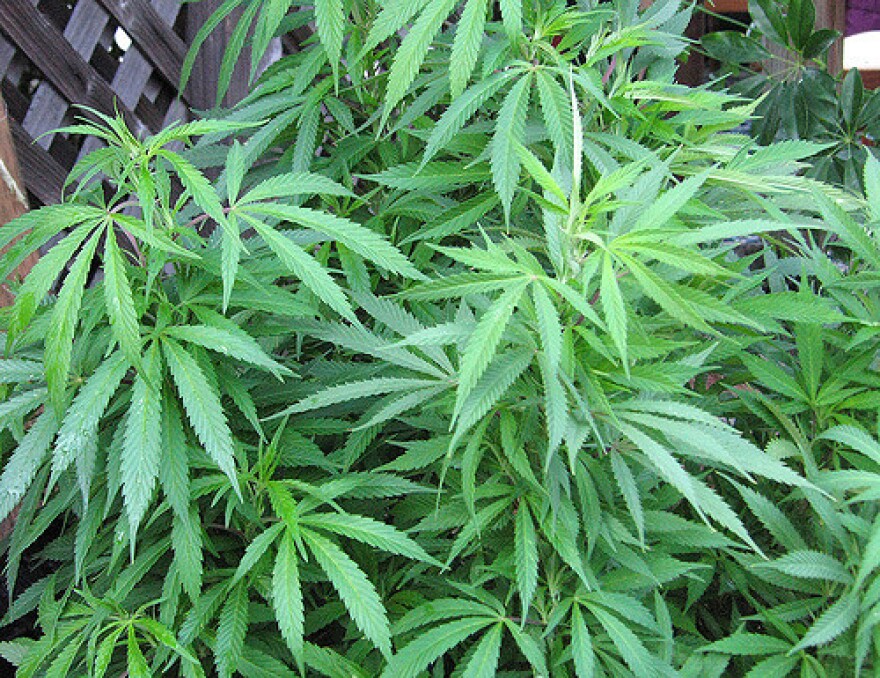
The Michigan Medical Marihuana Program (MMMP), administered by the Cannabis Regulatory Agency (CRA), enables patients with qualifying medical conditions to register for a medical marijuana card. This card grants legal access to cannabis for medical use, allowing patients to purchase from licensed dispensaries, designate a caregiver, or cultivate up to 12 plants in an enclosed, locked facility. Since recreational cannabis was legalized in 2018 via Proposal 1, Michigan residents have both medical and recreational options, but a medical card offers distinct advantages, such as lower taxes and stronger legal protections. For a broader perspective on state programs, our blog on Virginia’s medical marijuana system provides a useful comparison.
Eligibility Requirements for a Michigan Medical Marijuana Card
To qualify for a Michigan medical marijuana card, applicants must meet two primary criteria, as outlined by the Cannabis Regulatory Agency:
- Residency: Applicants must be Michigan residents, proven by a valid Michigan driver’s license, state ID, or voter registration card.
- Qualifying Condition: Applicants must have a physician-certified debilitating medical condition or symptom, such as those listed in our blog on medical marijuana conditions in Michigan.
Minors under 18 can qualify but require two physician certifications and a parent or legal guardian to act as a registered caregiver. Caregivers must be at least 21, have no disqualifying felony convictions, and can assist up to five patients.
Qualifying Medical Conditions
The MMMP recognizes a range of conditions and symptoms that qualify patients for a medical marijuana card. These include, but are not limited to:
- Cancer, Glaucoma, HIV/AIDS, Hepatitis C
- Amyotrophic Lateral Sclerosis (ALS), Crohn’s Disease, Alzheimer’s Disease
- Autism, Cerebral Palsy, Parkinson’s Disease, PTSD
- Chronic Pain, Arthritis, Inflammatory Bowel Disease
- Severe and Persistent Muscle Spasms (e.g., from Multiple Sclerosis)
- Seizures (e.g., from Epilepsy), Severe Nausea, Cachexia
Patients with unlisted conditions may qualify if their treatment produces severe symptoms like nausea or pain. For example, our blog on medical marijuana and epilepsy details how cannabis helps manage seizures. Residents can petition the Medical Marihuana Review Panel to add new conditions, ensuring the program evolves with medical advancements.
- Do You Need to Register with the State After Getting a Cannabis Card?
- Connecticut MMJ Card: Application Process Simplified
- Maryland MMJ Cards: How to Register as a Patient
- Louisiana MMJ Patient Cards: How to Apply
- Florida Medical MarijuanaCard
- Getting Your Illinois Medical Cannabis Card Made Simple
- Maine Medical Cannabis Card: Patient Application Guide
- New Jersey – Apply for Medical Marijuana Online
- Arizona – Medical Marijuana Card
How to Apply for a Michigan Medical Marijuana Card
Obtaining a Michigan medical marijuana card involves a straightforward process, which can be completed online or by mail. Follow these steps, as detailed by the CRA and services like Quick Med Cards:
- Physician Certification: Schedule a consultation with a licensed Michigan physician (MD or DO) registered with the MMMP. This can be in-person or via telemedicine, as outlined in our blog on finding a marijuana doctor online. The physician must certify that you have a qualifying condition and that cannabis’s benefits outweigh risks.
- Gather Documentation: Prepare proof of Michigan residency (e.g., driver’s license) and the physician certification form. If designating a caregiver, include their details and ID.
- Submit Application: Apply through the CRA’s online portal at Michigan.gov/CRAonline or mail a paper application to the MMMP, PO Box 30083, Lansing, MI 48903. The application fee is $40, payable by check, money order, or card (online).
- Receive Approval: The CRA reviews applications within 15–20 business days. Approved patients receive an email with a temporary digital card, usable immediately at dispensaries. The physical card arrives within 7–10 days and is valid for two years.
Renewals follow the same process, ideally starting 60 days before expiration, with a new physician certification and $40 fee. Minors require two certifications, and caregivers register at no additional cost.
Benefits of a Michigan Medical Marijuana Card
Even with recreational cannabis legal, a medical marijuana card offers significant advantages, as highlighted by NuggMD and our blog on benefits of a medical card in recreational states:
- Tax Savings: Medical cannabis is subject only to a 6% sales tax, compared to a 16% total tax (6% sales + 10% excise) for recreational purchases. For an ounce monthly, this saves approximately $140 annually.
- Higher Potency and Access: Medical patients can access higher-potency products and medical-only dispensaries, which may be unavailable in recreational markets.
- Legal Protections: Cardholders enjoy stronger legal safeguards, including protections against discrimination in employment (subject to employer policies) and federal scrutiny, unlike recreational users.
- Possession and Cultivation: Patients can possess 2.5 ounces daily (10 ounces monthly) and grow 12 plants in a secure facility. Caregivers can cultivate for up to five patients.
- Access for Minors: Patients aged 18+ (or minors with caregivers) can qualify, unlike recreational users restricted to 21+.
These benefits make the card especially valuable for chronic conditions like those discussed in our blog on medical marijuana for cerebral palsy.
Accessing Medical Marijuana with a Card
With a Michigan medical marijuana card, patients can:
- Purchase up to 2.5 ounces daily from licensed dispensaries, not exceeding 10 ounces monthly. Temporary digital cards or approval emails (valid for 15 days) allow immediate access.
- Designate a caregiver to buy or cultivate cannabis on their behalf, presenting the caregiver’s MMMP card and ID.
- Grow up to 12 plants in an enclosed, locked facility, as detailed in our guide to growing weed indoors for beginners.
Dispensaries verify MMMP cards or approval emails alongside government-issued ID. Out-of-state medical cards are accepted at some provisioning centers, per Michigan’s reciprocity rules.
Challenges and Considerations
While the MMMP is accessible, patients should be aware of:
- Costs: Beyond the $40 state fee, physician consultations range from $45–$149, depending on the provider (e.g., Quick Med Cards). Minors face higher costs due to dual certifications.
- Federal Restrictions: Cannabis remains illegal federally, potentially affecting background checks for jobs or firearms, as noted in posts on X.
- Application Denials: About 16% of applications are initially denied due to incomplete documentation or ineligible conditions, per the Lansing State Journal.
Patients should ensure accurate application details and consult providers like Veriheal for guidance. Our blog on new studies about medical marijuana offers updates on evolving regulations.
Conclusion: Empowering Health with a Michigan Medical Marijuana Card
A Michigan medical marijuana card unlocks safe, legal access to cannabis for managing debilitating conditions, offering tax savings, higher potency products, and robust legal protections. With a streamlined application process, telemedicine options, and caregiver support, the MMMP empowers patients to improve their quality of life. Whether you’re seeking relief from chronic pain, epilepsy, or other conditions, resources like our guides to Oklahoma’s medical marijuana system and CBD’s potential can support your journey. As Michigan’s cannabis landscape evolves, a medical card remains a vital tool for personalized, cost-effective care.