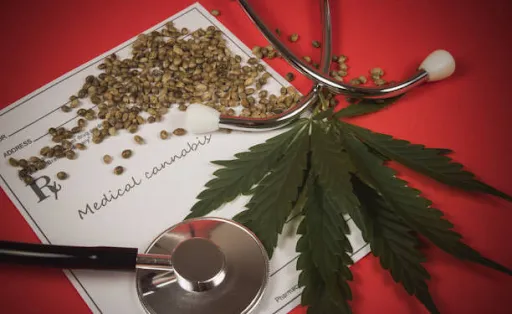
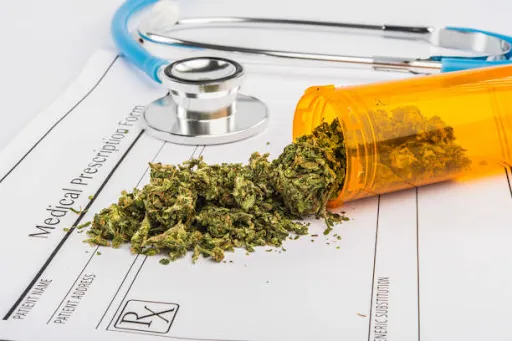
The growing interest in medical marijuana has sparked a wave of discussions surrounding its potential benefits for patients with severe and chronic illnesses. Unlike traditional manufactured medications that often come with adverse side effects, medical marijuana, also known as cannabis, weed, pot, or ganja, is gaining popularity as a safer alternative for various medical conditions. Its historical roots date back to ancient times, with the plant originating in Central Asia before spreading worldwide.
Benefits of Medical Marijuana
Pain Management
One of the most well-known benefits of medical marijuana is its potential to manage pain. Patients suffering from chronic pain due to conditions like cancer, arthritis, or neurological disorders have reported significant relief through marijuana use.
Nausea and Vomiting Relief
Medical marijuana has shown promise in reducing nausea and vomiting, particularly for patients undergoing chemotherapy or those with gastrointestinal conditions.
Muscle Spasm Reduction
Conditions that cause muscle spasms, such as Multiple Sclerosis or spinal cord injuries, may benefit from medical marijuana’s ability to reduce spasms and improve overall muscle function.

Anxiety and Depression
Medical marijuana has been explored as a potential treatment for anxiety and depression, offering an alternative option for patients who may not respond well to traditional antidepressants. Learn more about marijuana and mental health.
Despite its classification as illegal under Federal Law, medical marijuana has been legalized in 33 states across the United States with a doctor’s recommendation. This shift in acceptance can be attributed to the increasing depth of research into marijuana’s benefits and the recognition of its minimal adverse effects, leading to the implementation of medical and recreational marijuana programs in several countries. For more on this, see Cannabis Laws By State.
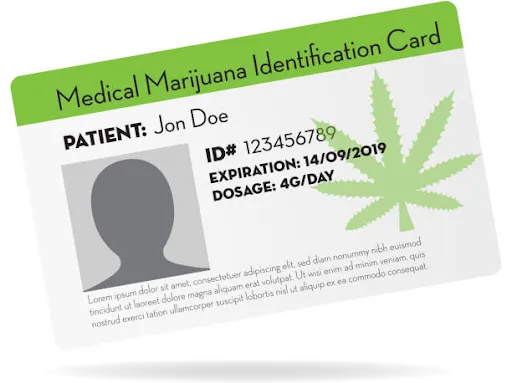
To qualify for a medical marijuana card and access its potential benefits, patients must have one or more qualifying medical conditions. Often referred to as a “med card,” “certification,” or “recommendation,” this prescription allows patients to legally obtain, possess, and use medical marijuana according to their state’s laws. The specific qualifying conditions may vary from state to state. Let’s explore some of the states with medical marijuana programs and the qualifying conditions for a med card:
Arizona
Qualifying conditions include:
Chronic or severe pain
Nausea
Muscle spasms or Multiple Sclerosis
Cancer
Seizures
Cachexia
Maine
Maine previously had a limited list of qualifying conditions for medical marijuana, but a new law enacted in December 2018 expanded the list to include:
Difficulty sleeping
Pain
Depression
Cancer
HIV/AIDS
Glaucoma
Hepatitis C
Crohn’s Disease (IBD)
Amyotrophic Lateral Sclerosis
Nail-Patella Syndrome
Alzheimer’s Disease
Cachexia or Wasting Syndrome
Nausea
Irritable Bowel Syndrome
Severe and persistent muscle spasms, including Multiple Sclerosis
Seizures, including Epilepsy
Post-traumatic stress disorder (PTSD)
Maryland
Qualifying conditions include:
Chronic or severe pain
Muscle Spasms
Glaucoma
Nausea
PTSD
Wasting Syndrome
Seizures
Another chronic medical condition that is severe and for which other treatments have been ineffective
Missouri
Qualifying medical conditions in Missouri include:
Cancer
Epilepsy
Glaucoma
Intractable migraines unresponsive to other treatment
The chronic medical condition causing severe, persistent pain or muscle spasms
Debilitating psychiatric disorders, including PTSD diagnosed by a state-licensed psychiatrist
HIV/AIDS
Chronic medical conditions are usually treated with prescription medications that could lead to physical or psychological dependence, where medical marijuana is considered a safer alternative
Terminal illness
Other chronic, debilitating, or medical conditions such as hepatitis C, ALS, inflammatory bowel disease, Crohn’s disease, Huntington’s disease, autism, neuropathies, sickle cell anemia, agitation of Alzheimer’s disease, and cachexia.
Oklahoma
Oklahoma allows healthcare providers to recommend medical marijuana for the most suitable medical conditions, including:
Difficulty sleeping
Pain
Anxiety
PTSD
Multiple Sclerosis
Cancer
Irritable Bowel
Muscle Spasms
Nausea
Anorexia
Bulimia
Terminal Illness
Seizures
Glaucoma
ALS
Hepatitis C
HIV/AIDS
Crohn’s Disease (IBD)
Nail-Patella Syndrome
Alzheimer’s Disease
Cachexia
New Mexico
Qualifying conditions for a medical marijuana patient card in New Mexico include:
Chronic or severe pain
Glaucoma
Multiple Sclerosis
Seizures
Spinal cord injury with spasticity
HIV/AIDS
Neuropathy
Crohn’s Disease (IBD)
Anorexia
Cachexia
Hepatitis C
Nausea
PTSD
ALS
Cancer
Hospice Care
Cervical dystonia
Arthritis
Huntington’s Disease
Ulcerative Colitis (IBD)
Inclusion Body Myositis
New York
Qualifying conditions for a medical marijuana patient card in New York include:
Cancer
HIV infection or AIDS
Amyotrophic lateral sclerosis (ALS)
Parkinson’s disease
Multiple sclerosis
Spinal cord injury with spasticity
Epilepsy
Inflammatory bowel disease
Neuropathy
Huntington’s disease
Post-traumatic stress disorder
Chronic pain
Pennsylvania
Qualifying conditions for a medical marijuana patient card in Pennsylvania include:
Pain
PTSD
Glaucoma
Opioid Alternative
Autism
Neuropathy
Multiple sclerosis
Cancer
Parkinson’s
Inflammatory Bowel Syndrome
Seizures
Sickle Cell Disease
ALS
Neurodegenerative diseases
Huntington’s disease
HIV/AIDS
Dyskinetic and spastic movement disorder
Crohn’s Disease (IBD)
Terminal Illness
How to Obtain a Medical Marijuana Card
Medical Evaluation
To start the process, patients need a medical evaluation by a licensed physician. During this evaluation, the physician will assess the patient’s medical history, symptoms, and overall health to determine if medical marijuana is a suitable treatment option. Find a cheap online doctor for guidance.
Eligibility
The physician will then assess whether the patient’s medical condition qualifies for a medical marijuana card according to the state’s guidelines. If the patient meets the criteria, the physician will provide a recommendation for medical marijuana.
Application Process
With the physician’s recommendation in hand, patients must complete the application process for a medical marijuana card. This process may involve submitting personal information, medical records, and other required documents to the state’s medical marijuana program. Learn more about the process in states like Arizona, Maine, Maryland, Missouri, Oklahoma, New Mexico, New York, and Pennsylvania.
Card Issuance
Upon approval of the application, the state will issue a medical marijuana card to the patient. This card serves as a legal permit to purchase, possess, and use medical marijuana according to the state’s regulations. For more details, see Do I Need a Cannabis Prescription?
Conclusion
In conclusion, medical marijuana can offer a promising alternative for patients with various severe and chronic conditions. With a doctor’s recommendation and a qualifying medical condition, patients can access the benefits of medical marijuana in many states. The evolving legal landscape and increasing acceptance of medical marijuana suggest a bright future for its use in the healthcare industry. For further guidance, explore Is Medical Marijuana Right for You? A Self-Assessment Guide.