Cannabis has moved from whispered curiosity to a practical option that many people lean on for real relief. If you have ever wondered how others use it for their health or how to approach it with confidence, you are not alone.
Before exploring the top medical uses, it helps to understand what works, what does not, and how to use it in a way that truly supports your well-being.
What are the Medical Uses of Cannabis?
A growing number of people turn to medical cannabis because they want relief that feels manageable and natural. Researchers continue to study its benefits, and many findings support what patients experience in daily life.
Below are the medical uses that stand out the most, along with simple ways to use cannabis safely, correctly, and within the law.
1. Pain Management
Many patients use cannabis to ease chronic pain, especially pain linked to arthritis, migraines, and nerve damage. A 2017 report from the National Academies of Sciences found strong evidence that cannabis can reduce chronic pain in adults. Researchers believe cannabis works by interacting with receptors that influence how the body processes pain signals.
To apply this use correctly, choose products that list clear THC and CBD ratios. Start low and increase slowly until you feel steady relief.
- Check your state or country regulations
- Buy only from licensed dispensaries
- Track how each dose affects your comfort
- Avoid driving until you know how you respond
2. Anxiety Relief
Some people find that CBD rich cannabis helps calm racing thoughts. A 2019 study published in The Permanente Journal reported that CBD improved anxiety scores in most participants during the first month of use. Patients often say they feel more grounded and steady after consistent dosing.
Use a CBD dominant product to lower the chance of feeling overwhelmed. Take it in the evening or during quiet moments so you can observe your reactions in a relaxed setting. Confirm local laws about possession limits and always keep products in their original containers when traveling.
3. Sleep Support
Cannabis can help people who struggle to fall asleep or stay asleep. Research shows that THC may shorten the time it takes to drift off, while CBD may help with overall sleep quality. A 2020 study in the Journal of Cannabis Research found that patients using medical cannabis for insomnia reported better sleep with continued use.
Use a gentle nighttime formula with moderate THC. Consume your dose about an hour before bed so your body can settle. Keep your bedroom calm and limit screens to help strengthen the effect.
4. Appetite Stimulation
People who face appetite loss related to cancer treatment, chronic illness, or HIV often turn to cannabis. Studies show that THC can improve appetite and create a more relaxed eating experience. A well known clinical trial from the early 2000s found that dronabinol, a synthetic form of THC, increased food intake in patients with AIDS related wasting.
If you plan to use cannabis for appetite, choose an edible or tincture for longer lasting effects during meals. Follow approved medical program rules in your area and store your products away from children and pets.
5. Muscle Spasticity Relief
Patients with conditions like multiple sclerosis sometimes experience painful muscle tightness. Cannabis shows promise here. A 2012 randomized trial published in CMAJ found that cannabis reduced spasticity scores in patients with treatment resistant MS symptoms.
Use measured vape cartridges or oral sprays that allow controlled dosing. Begin with the smallest amount so you can feel the change in your muscles without feeling overly sedated. Always confirm that your medical card is active and valid before purchasing.
Different Marijuana Products to Choose From
People exploring medical cannabis often feel surprised by how many product options exist. Each one offers its own strengths, and choosing the right form can make the whole experience smoother and more effective.
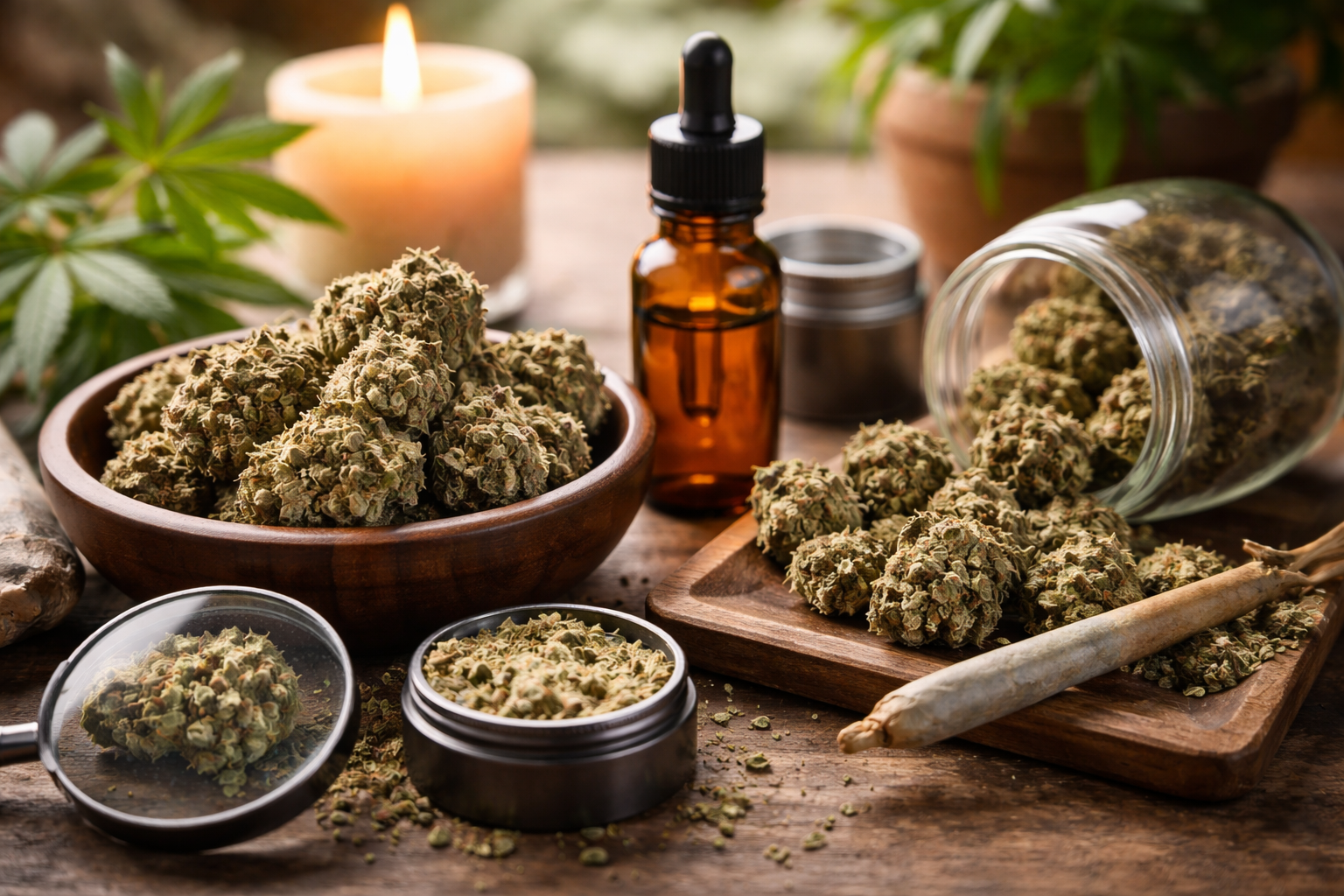
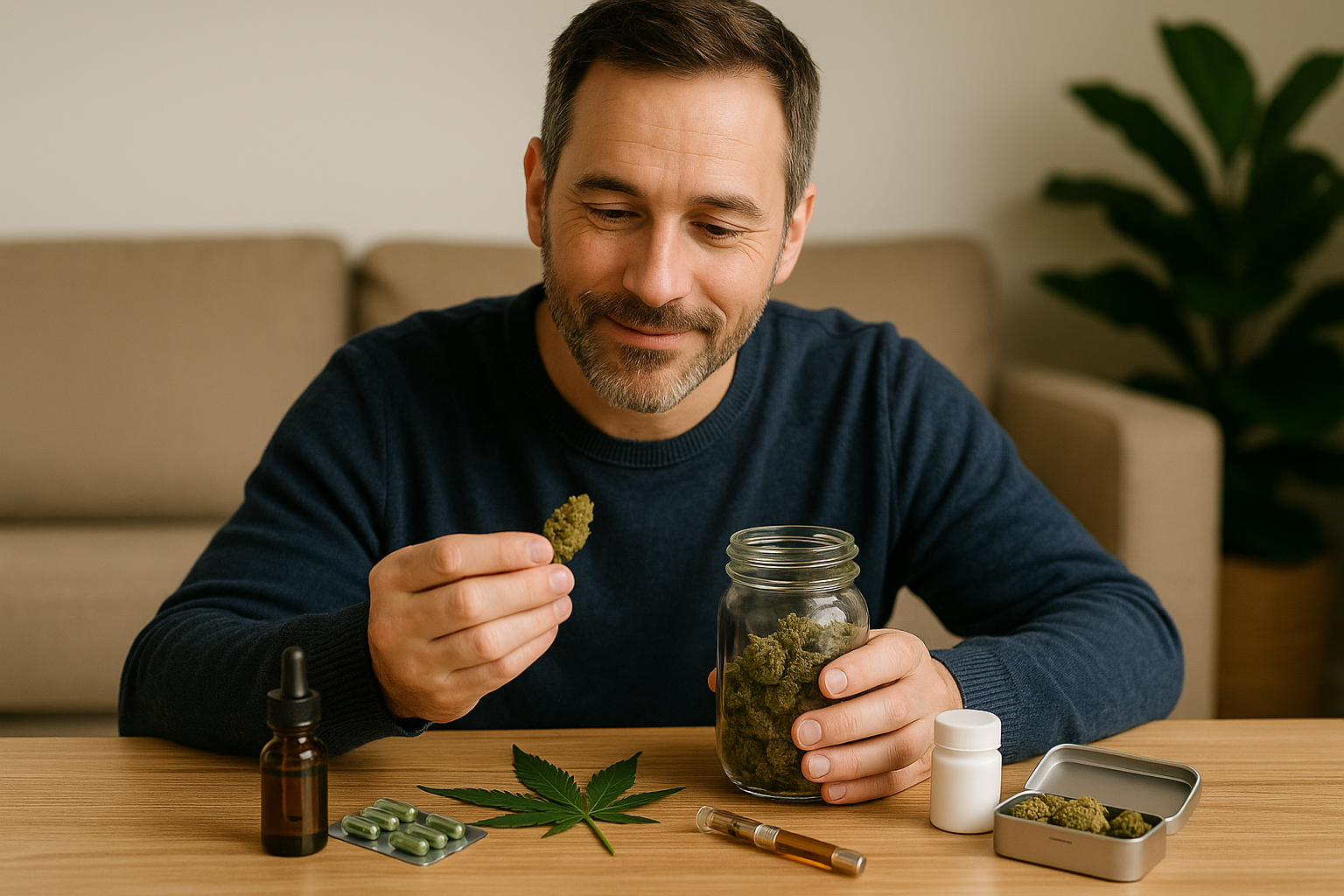
- Tinctures: Liquid extracts that let you control your dose with ease and offer steady, gentle relief when placed under the tongue.
- Edibles: Long lasting options like gummies and infused foods that support pain relief, better sleep, and appetite needs, though they take longer to activate.
- Capsules: Simple, familiar, and consistent products that feel comfortable for people who already take daily supplements or medications.
- Vape Cartridges: Fast acting inhaled products that help with sudden pain or anxiety while giving you control through small measured puffs.
- Topicals: Creams and balms that target local soreness or tension without full body effects, which makes them ideal for daily use.
- Oral Sprays: Quick onset sprays that allow precise dosing and fit smoothly into routines for people managing muscle spasticity or nerve pain.
What to Avoid When Using Medical Cannabis
People often focus on what to try when they begin using medical cannabis, but knowing what to avoid can make the experience safer and far more effective. A few simple precautions help you stay confident and in control.
- Overconsuming: Taking too much at once can lead to discomfort and anxiety, so start with a small dose and give your body time to respond.
- Mixing with alcohol: Combining the two can intensify unwanted effects and make it harder to stay aware of your limits.
- Buying untested products: Unregulated items may contain contaminants or inaccurate labels, so stick to licensed medical dispensaries that provide verified testing.
- Using before driving: Cannabis can slow reaction times, and driving during the active effects puts you and others at risk.
- Ignoring your medical conditions: Some conditions or medications interact poorly with cannabis, so speak with a medical professional before adding it to your routine.
- Skipping record keeping: Keeping simple notes on doses and effects helps you learn what works best and makes adjustments easier over time.
Final Thoughts
Medical cannabis can support comfort, balance, and daily well-being when you use it with care and clarity. As you explore the options that fit your needs, take your time, stay curious, and keep your choices grounded in safety and legality.
If you feel ready to begin with guidance you can trust, we at Cheap Med Cards are here to help. You can start your journey with confidence — get your medical card today and let our team walk you through every step with ease.
Frequently Asked Questions
Can medical cannabis interact with prescription medications?
Yes, some medications can change how cannabis affects your body. Speak with a medical professional so you can adjust your plan safely and avoid unexpected reactions.
How long does it take to feel the effects of medical cannabis?
The timing depends on the product you choose. Inhaled forms work within minutes, while edibles and capsules take longer because your body must digest them first.
Can older adults use medical cannabis safely?
Many older adults benefit from medical cannabis, especially for pain and sleep support. Start with small doses and choose products that list clear potency to avoid unwanted effects.
Does medical cannabis require regular follow up with a provider?
Most programs encourage check ins so you can update your dose or product type. These visits help you stay on track and keep your medical card active.
Can I use medical cannabis during travel?
Travel rules vary by location, and some areas prohibit carrying cannabis across borders. Check your local laws and keep your products sealed and labeled during trips.
Is it possible to build tolerance to medical cannabis?
Yes, your body can adjust over time. If you feel less relief, take short breaks or switch product types to help restore balance.