
Growing weed indoors has become a popular venture for many cannabis enthusiasts and medical marijuana patients alike. The ability to cultivate your own cannabis offers numerous benefits, including better control over the growing environment and the satisfaction of nurturing a plant from seed to harvest. However, successful indoor cannabis cultivation requires careful planning, attention to detail, and a solid understanding of the plant’s needs. In this guide, we will explore essential tips and considerations to help beginners embark on a successful indoor marijuana growing journey.
Choosing the Ideal Temperature for Indoor Weed Growth
Temperature plays a vital role in the growth and health of marijuana plants. Maintaining the right temperature range is crucial for optimal development. Generally, cannabis thrives in warm temperatures, with the ideal range for indoor growth being between 70 and 85 degrees Fahrenheit. It’s essential to monitor temperature levels carefully throughout the plant’s life cycle to avoid stressing or damaging the plants.
During germination, temperatures between 77 and 86 degrees Fahrenheit are best. The vegetative stage requires a slightly lower temperature range of 68 to 72 degrees Fahrenheit, while the flowering stage prefers temperatures between 63 and 67 degrees Fahrenheit. By adhering to these temperature guidelines, growers can create an ideal environment for their cannabis plants to flourish. For more on cannabis strains, see Difference Between Indica, Sativa, and Hybrid Strains.
Choosing the Best Soil for Indoor Marijuana Plants
Selecting the right soil is crucial for the success of indoor marijuana cultivation. While there are commercially available soil mixes designed explicitly for cannabis, some growers prefer making their DIY marijuana soil. A popular DIY mix includes equal parts of perlite, coco coir, and peat moss, providing adequate drainage and moisture retention for indoor cannabis plants.
Another increasingly popular option is super soil—a nutrient-rich living soil enriched with beneficial microbes. Although commercially available super soil can be expensive, it is possible to create a homemade version by combining compost, worm castings, bat guano, and other amendments. Whether opting for commercial or DIY soil, using high-quality soil ensures that the plants receive the essential nutrients they need to thrive. Learn about related products at Cheap Hemp.
Selecting the Best Nutrients for Indoor Weed Growth
Choosing the right nutrients is vital for the healthy growth of indoor cannabis plants. While there is a wide range of marijuana nutrients available in the market, a marijuana fertilizer kit can be a convenient solution for beginners. These kits often include a variety of nutrients designed to promote optimal plant health, along with instructions on how to use them effectively. For newcomers to indoor gardening, investing in a marijuana fertilizer kit can be a wise decision.
One common question among growers is whether it is advisable to grow cannabis without perlite to save money and simplify the process. Perlite offers benefits such as improved drainage and aeration, which are crucial for healthy plant growth. Although it is possible to grow without perlite, its advantages make it a valuable addition to any growing setup. For more on cannabis preparation, check How to Decarb Weed: Cannabis Decarboxylation Step By Step Guide.
Choosing the Right Growing Space for Indoor Weed
Watering is a critical aspect of successful indoor marijuana cultivation. Proper watering ensures that the plants receive the right amount of moisture without being overwatered or underwatered. Overwatering can lead to root rot, while underwatering can stress the plants and reduce bud production.
Some general watering tips include watering early in the day to allow the leaves to dry before nightfall, watering at the base of the plant to avoid wetting the leaves, and using room-temperature water. Checking the pH of the water is also essential, as cannabis plants prefer a pH range between 6 and 7. Additionally, providing sugar water can be beneficial, as it helps the plant absorb more water and nutrients, resulting in faster growth.
Creating the Ideal Indoor Growing Setup for Weed
Setting up an indoor marijuana grow system requires careful consideration of various factors. Proper ventilation is crucial, as marijuana plants produce heat and moisture, which can accumulate in an enclosed space. Insufficient ventilation can lead to unfavorable conditions for plant growth.
Lighting is another essential element for successful indoor cultivation. LED rope lights are a popular choice for smaller growing areas due to their affordability and ease of setup. For larger spaces, compact fluorescent light (CFL) bulbs can be a better alternative as they provide more light. It is essential to maintain an appropriate light cycle, typically 18 hours of light followed by 6 hours of darkness, but this may vary depending on the strain being grown. For strain selection, see How to Choose the Right Medical Marijuana Strain for Your Condition.
A high-quality fertilizer is necessary to provide cannabis plants with the nutrients they need for healthy growth. By incorporating these key elements into their setup, indoor marijuana growers can create an environment conducive to successful cultivation.
Exploring Hydroponics for Indoor Cannabis Cultivation
Hydroponics is a popular method of growing cannabis indoors, involving a water-based solution instead of soil. Hydroponic systems offer precise control over the plant’s environment, but they can be challenging due to their sensitivity to temperature and pH fluctuations. When considering hydroponics, thorough research and selecting the right system are vital.
While hydroponics can be highly efficient, growing cannabis in soil remains a viable option. Soil provides a more natural environment for roots and can buffer against temperature fluctuations, making it suitable for growers in regions with extreme weather conditions.
Controlling the Smell of Indoor Cannabis
Indoor growers often face the challenge of controlling the distinct smell of cannabis. To address this, installing an exhaust fan can help remove the odor from the air and maintain a healthy growing room. Additionally, exhaust fans assist in regulating temperature and humidity levels, further supporting the growth of cannabis plants. For more on cannabis compounds, explore The Entourage Effect & Why Terpenes Matter.
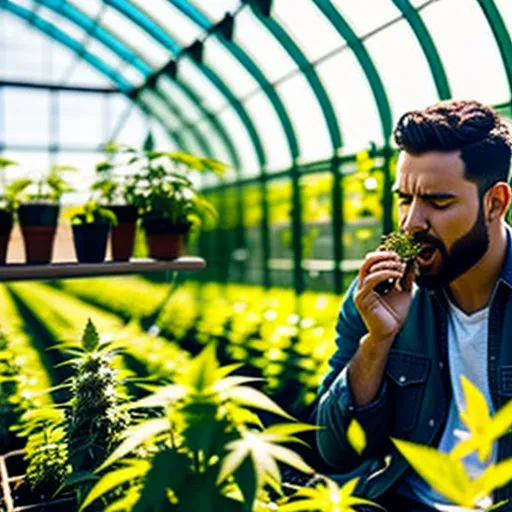
For medical marijuana patients in certain states in the United States, growing cannabis at home is legal with a medical marijuana card. Medical marijuana patients are often-allowed to possess larger quantities of cannabis for personal use, making home cultivation a cost-effective option. To get started, patients can apply for a medical marijuana card through platforms like Cheap Med Cards, which offer a quick and easy online application process. Learn more about the process at How It Works or check state-specific laws at Cannabis Laws By State.
Conclusion
In conclusion, growing weed indoors can be a rewarding and fulfilling endeavor, but it requires careful planning and attention to detail. By understanding the plant’s needs, providing the right environment, and using the best practices for cultivation, beginners can set themselves up for a successful and enjoyable journey in indoor marijuana growing. For additional guidance, see Is Medical Marijuana Right for You? A Self-Assessment Guide.