Stress, poor sleep, and nagging aches push many people to look for natural relief, yet the cannabis aisle often creates more confusion than clarity. THC and CBD promise different benefits, but choosing the wrong one can lead to disappointment or unwanted effects.
Understanding how each compound works makes it easier to pick the option that actually fits the problem at hand.
Overview on THC
THC, or delta-9-tetrahydrocannabinol, acts as the primary psychoactive compound in cannabis. It binds mainly to CB1 receptors in the endocannabinoid system, which are concentrated in the brain and central nervous system and play a role in pain perception, mood, memory, and appetite.
Through this interaction, THC alters neurotransmitter release, leading to effects such as euphoria, relaxation, increased appetite, and changes in sensory perception.
Research also shows therapeutic potential for THC in managing chronic pain, nausea related to chemotherapy, muscle spasticity, and appetite loss, although its psychoactive nature can cause side effects like anxiety, impaired coordination, and short-term memory disruption in some individuals.
Overview on CBD
CBD, or cannabidiol, stands as a non-intoxicating compound found in cannabis and hemp that interacts differently with the endocannabinoid system than THC. It does not bind directly to CB1 receptors and instead influences receptors and enzymes involved in pain signaling, inflammation, mood regulation, and stress response, including serotonin 5-HT1A receptors and TRPV1 channels.
Research links CBD to potential benefits such as reduced anxiety, improved sleep quality, anti-inflammatory effects, and seizure control, which led to its approval in prescription form for certain rare epilepsy disorders.
Because CBD does not produce a high and shows a favorable safety profile, many people use it for daily wellness support and symptom management without cognitive impairment.
When to Choose THC Vs CBD
Choosing between THC and CBD depends on the specific symptoms, desired effects, and tolerance for psychoactive experiences. Each compound works through different biological pathways, making one more suitable than the other in certain situations.
When THC Makes More Sense
THC fits best when symptoms involve moderate to severe pain, significant appetite loss, or intense nausea. Its strong activation of CB1 receptors in the brain can reduce pain signaling, stimulate appetite, and suppress chemotherapy related nausea.
THC may also help with sleep issues tied to pain or muscle spasticity, though its intoxicating effects require careful dosing and may not suit everyone.
When CBD Is the Better Option
CBD works well for daily symptom management when mental clarity matters. It suits anxiety, mild to moderate pain, inflammation, stress related sleep problems, and seizure disorders.
By influencing serotonin receptors and inflammatory pathways without intoxication, CBD offers relief without impairing coordination or cognition. This makes it a common choice for daytime use and long term wellness support.
When a Combination May Help
Some conditions respond better to a balanced approach. Research suggests THC and CBD together may create an entourage effect, where CBD tempers THC related side effects while enhancing therapeutic outcomes.
This approach often benefits chronic pain, inflammatory conditions, and sleep disorders when single compound options fall short.
Best THC Products
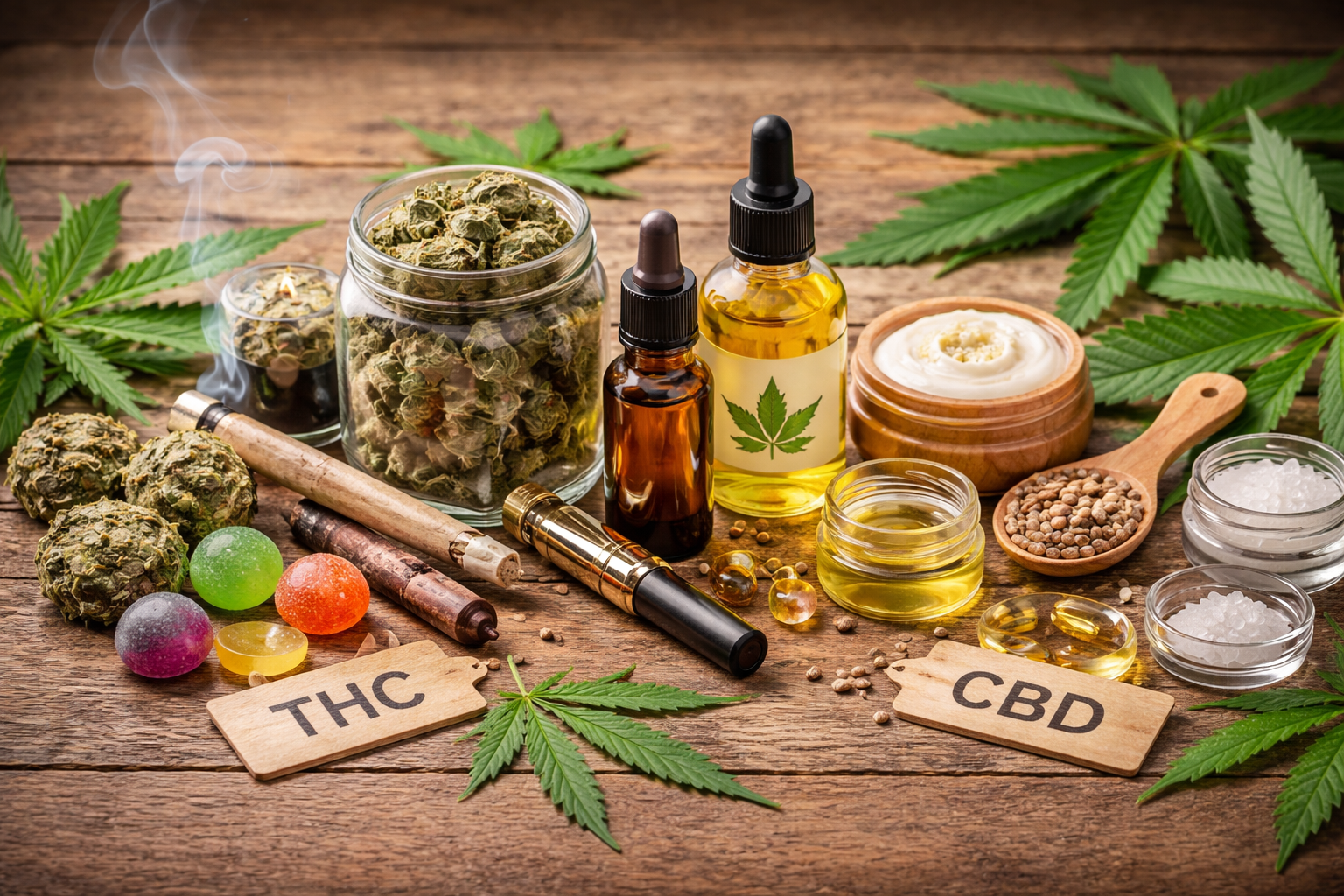
Here are some well-regarded THC product types that people choose for different needs and experiences. These options reflect common preferences and effects rather than specific brands.
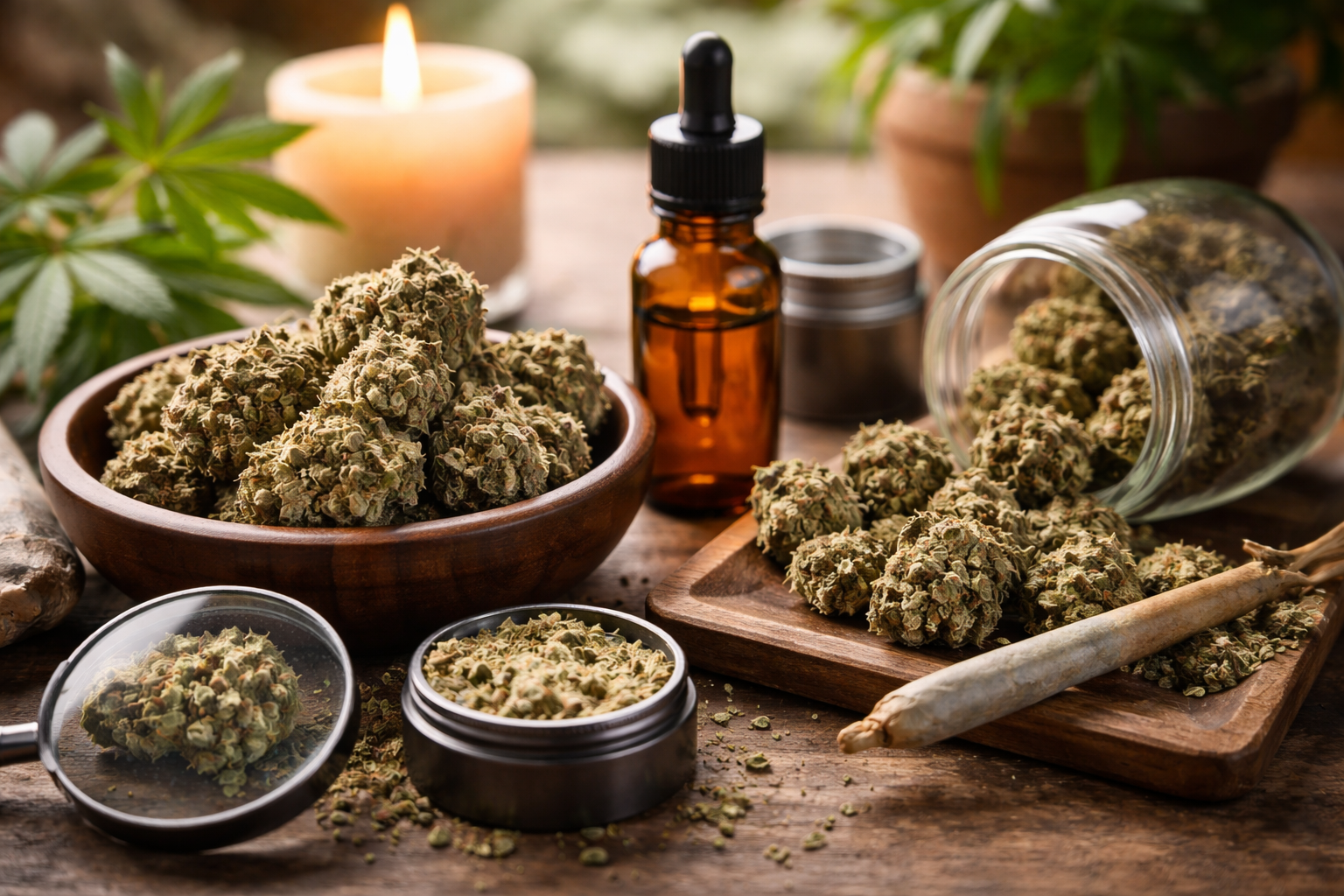
- Flower (Cannabis Buds): Classic form inhaled by smoking or vaporizing for fast onset and controlled dosing.
- Vape Cartridges: Concentrated THC for discreet and precise dosing with rapid effects.
- Edibles: Food or gummies infused with THC that deliver longer, body-centered effects but take time to kick in.
- Tinctures: Alcohol or oil-based THC drops placed under the tongue, offering adjustable dosing without inhalation.
- Concentrates (Wax, Shatter): Potent extracts with high THC levels for experienced users seeking strong effects with minimal material.
- Topicals with THC: Creams and balms infused with THC for localized relief without systemic intoxication.
Each option carries its own onset time, intensity, and use context, so starting with a low dose and understanding individual tolerance remains important.
Best CBD Products
Here are some of the most effective and widely used CBD product types people choose for wellness and symptom support.
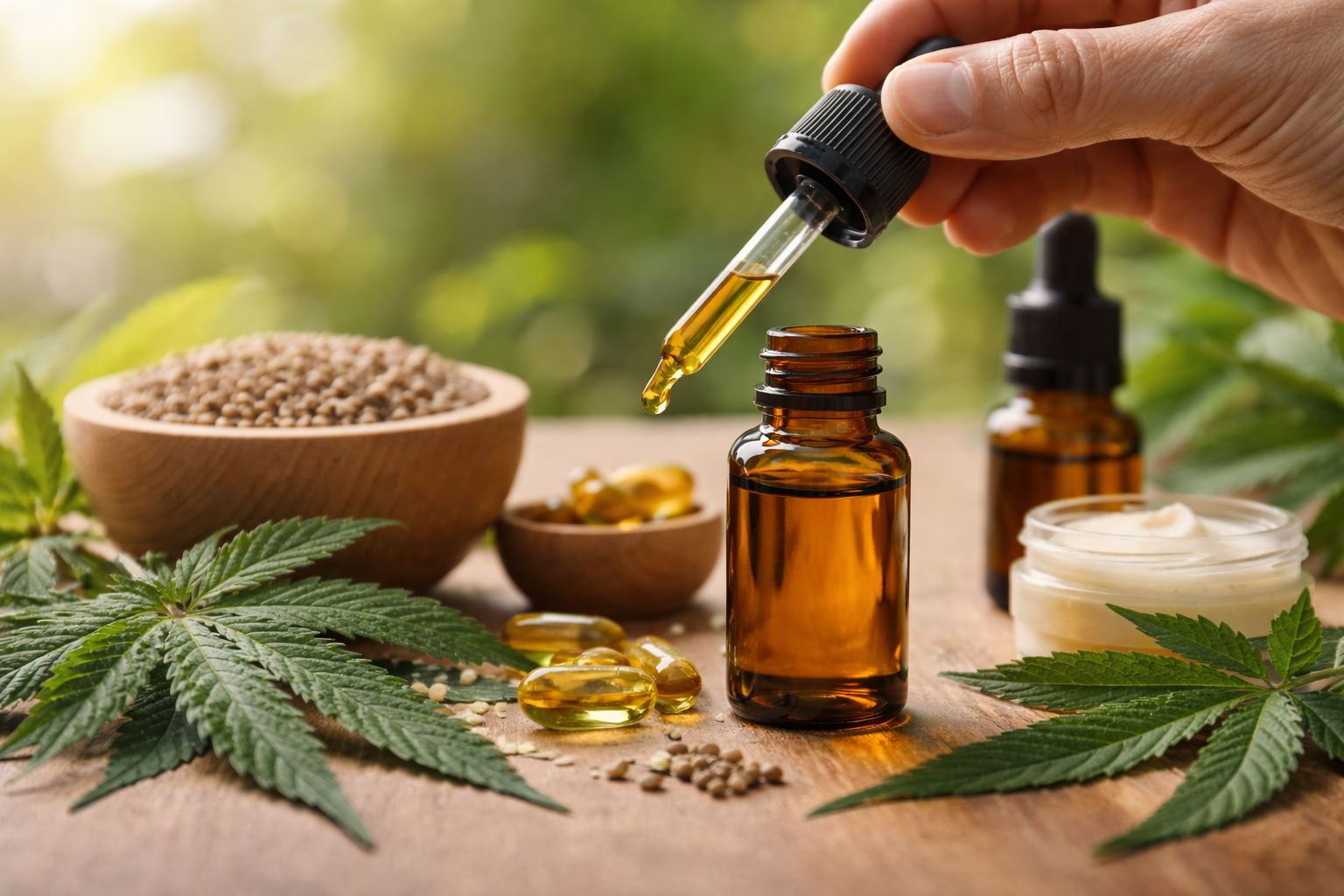
- CBD Oils and Tinctures: Standard format with precise dosing placed under the tongue for fast absorption.
- CBD Capsules: Pre-measured servings that fit easily into daily routines without taste or measurement concerns.
- CBD Gummies: Edible doses that offer convenience and consistent effects with a pleasant taste.
- CBD Topicals: Creams and balms applied directly to skin for targeted relief of muscle or joint discomfort.
- CBD Isolates: Pure cannabidiol powder or crystals with no other cannabinoids or terpenes for those seeking a THC-free experience.
- Full Spectrum CBD: Extracts containing CBD plus other cannabinoids and terpenes that may enhance effects through synergy.
Each product type varies in onset time and duration, so selecting one that matches the symptom and lifestyle needs makes it easier to achieve the intended outcomes.
Is a Med Card Necessary to Get CBD and THC Products?
A medical card is not required to buy CBD products derived from hemp, as these are federally legal when they contain compliant THC levels. THC products usually require a medical card in states with medical-only cannabis programs, while adult-use states allow purchases without one but often with limits.
Using a service like Cheap Med Cards can make the medical card process faster and more affordable for those who qualify and want broader access, lower costs, or higher potency options.
Final Thoughts
THC and CBD offer different paths to relief, and choosing the right one comes down to personal needs, comfort level, and access. With a clearer understanding of how each compound works, it becomes easier to make confident decisions and avoid trial and error.
For those who want simpler access to THC options and added flexibility, Cheap Med Cards provides a practical way to move forward without unnecessary hassle.
Frequently Asked Questions
Can THC or CBD show up on a drug test?
THC commonly appears on standard drug tests because it produces detectable metabolites that remain in the body for days or weeks. CBD alone typically does not trigger positive results, but full spectrum products may contain trace THC that can accumulate with frequent use.
How long do the effects of THC and CBD last?
THC effects can last from two to eight hours depending on dose, method of use, and individual metabolism. CBD effects tend to feel more subtle and may last four to six hours, with some benefits building over consistent daily use.
Is tolerance a concern with THC or CBD?
THC tolerance can develop with regular use, often requiring higher doses to achieve the same effects. CBD does not appear to create significant tolerance, making it suitable for long term and routine use.
Can THC or CBD interact with medications?
Both compounds can affect how the liver processes certain medications by influencing cytochrome P450 enzymes. This interaction may alter medication levels in the body, so medical guidance helps reduce potential risks.
Are THC and CBD safe for older adults?
CBD generally shows a favorable safety profile for older adults when used at appropriate doses. THC may still offer benefits, but lower doses help reduce risks such as dizziness, confusion, or balance issues in this population.