Confusing laws, mixed medical advice, and nonstop headlines leave many patients unsure who to trust when it comes to medical cannabis.
As regulations shift and new treatments emerge in 2026, staying informed has never felt more overwhelming. These updates break down what is actually changing and why it matters right now.
Important Medical Cannabis Updates This 2026
Fast-changing rules, fresh research, and shifting public opinion are reshaping access to medical cannabis across the U.S. in 2026. This year brings progress in some areas and tough debates in others as patients, providers, and policymakers adapt to new developments.
Federal Rescheduling and Research Expansion
The federal government issued an executive order directing authorities to complete the process of moving cannabis from the strictest drug category to a less restrictive classification. This shift aims to make medical research easier and reduce barriers that have slowed clinical studies. The move does not legalize cannabis nationally, but it could unlock more comprehensive scientific work and influence future policy.
Legislative Activity in Congress
Multiple cannabis-related bills remain active in the U.S. Congress during the 2025 to 2026 session. These proposals vary widely, from broad cannabis policy reform to targeted changes for veterans, hemp products, and federal drug planning. None has been enacted yet, but continued action reflects sustained interest at the federal level.
State-Level Legalization Momentum
Several states that lacked medical cannabis laws are moving toward adoption. South Carolina, Wisconsin, and Kansas are among the states seeing legislative or ballot initiative activity aimed at creating regulated medical cannabis programs for qualifying patients.
Industry Trends: Medical-Only Dispensaries Shrinking
In Connecticut, the last medical-only cannabis dispensary is preparing to relocate and transition to a hybrid model that includes recreational sales. This shift reflects broader industry trends where pure medical outlets are declining in markets that now allow adult use.
Scientific Debate Over Effectiveness
Recent research has renewed scrutiny of cannabis effectiveness for chronic pain relief, finding little difference from placebos in some trials. However, evidence still supports benefits for nausea linked to chemotherapy and specific seizure disorders. Experts continue to call for larger, well-designed studies to clarify which conditions truly benefit.
Patient Access and Telehealth Rules
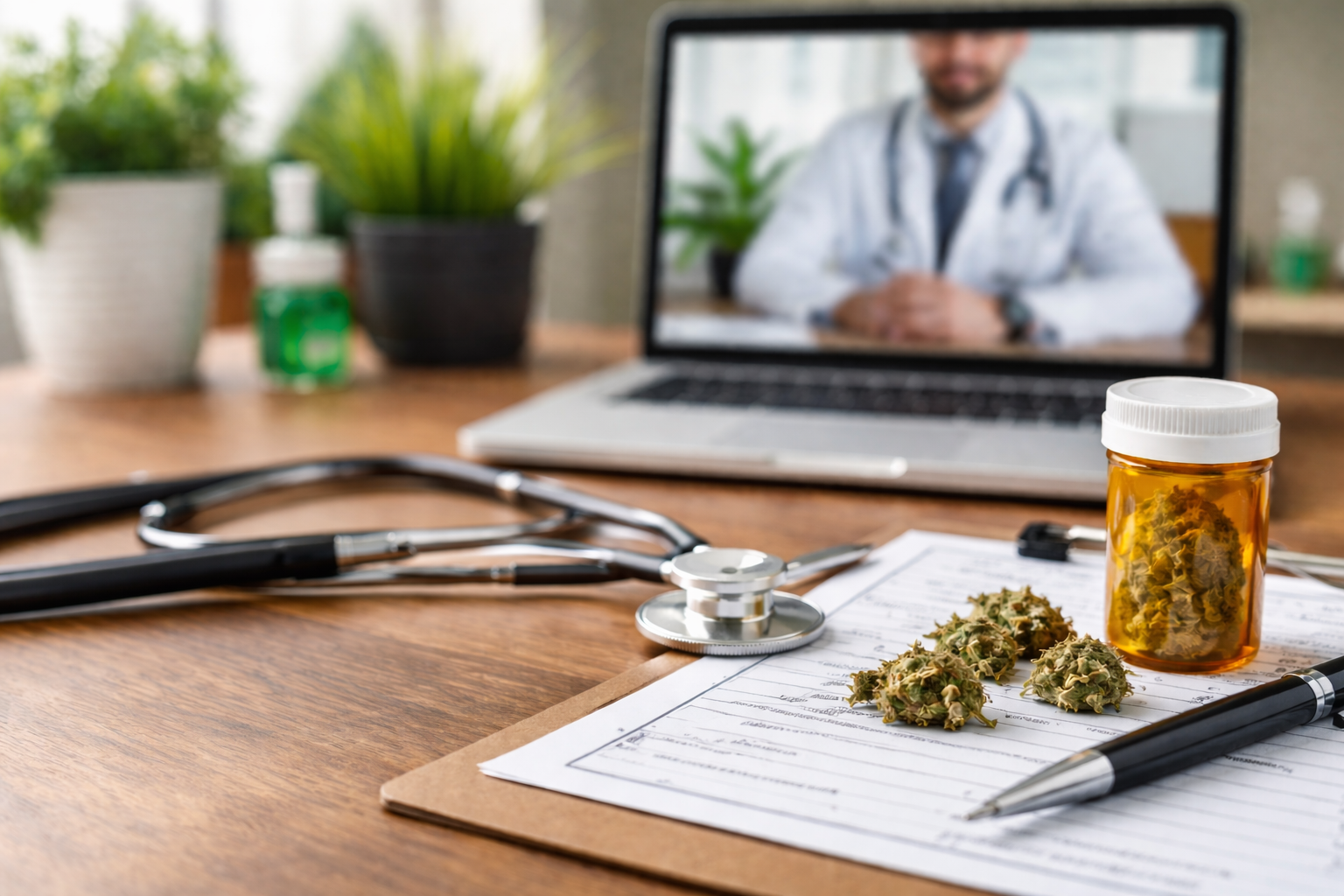
As laws evolve, telemedicine remains an uncertain pathway for medical cannabis certification in 2026. States are reviewing how remote evaluations should work, which may affect patients who rely on online appointments for continued access. Staying aware of state-specific guidance remains critical.
Is Getting a Med Card a Good Move This 2026?
Getting a med card in 2026 can make sense for many people who rely on medical cannabis for relief and want legal protection and easier access. In states where laws are clear, a med card still offers benefits that recreational use alone does not, such as lower taxes and stronger patient safeguards.
For those on a budget, having a low-cost med card can reduce overall costs and open doors to affordable care options that would otherwise be harder to access.
Final Thoughts
Medical cannabis continues to change quickly, and informed decisions matter more than ever in 2026. For patients navigating shifting laws and access rules, staying prepared can make the difference, especially when affordable options like Cheap Med Cards help simplify the process without adding extra strain.
Frequently Asked Questions
Can medical cannabis patients still face legal risks in 2026?
Yes. Even with state approval, patients can face legal issues related to travel, employment policies, housing rules, and federal restrictions that still apply in certain situations.
Does insurance cover medical cannabis in 2026?
No. Health insurance does not cover medical cannabis or related products, which means patients must pay out of pocket for consultations, cards, and medication.
Are employers required to accommodate medical cannabis use?
Not always. Some states offer limited employee protections, but many employers still enforce drug-free workplace policies regardless of medical authorization.
Can a medical cannabis card help with product quality and safety?
Yes. Medical programs often require stricter testing, labeling, and dosage standards compared to recreational markets, which can benefit patients seeking consistency.
How long does it typically take to get approved for a med card?
Approval timelines vary by state, but many patients receive authorization within days after completing a medical evaluation, especially through streamlined online services.