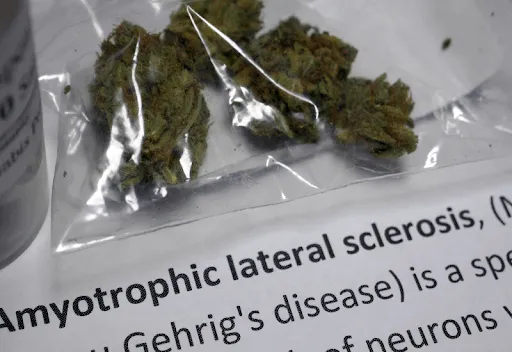
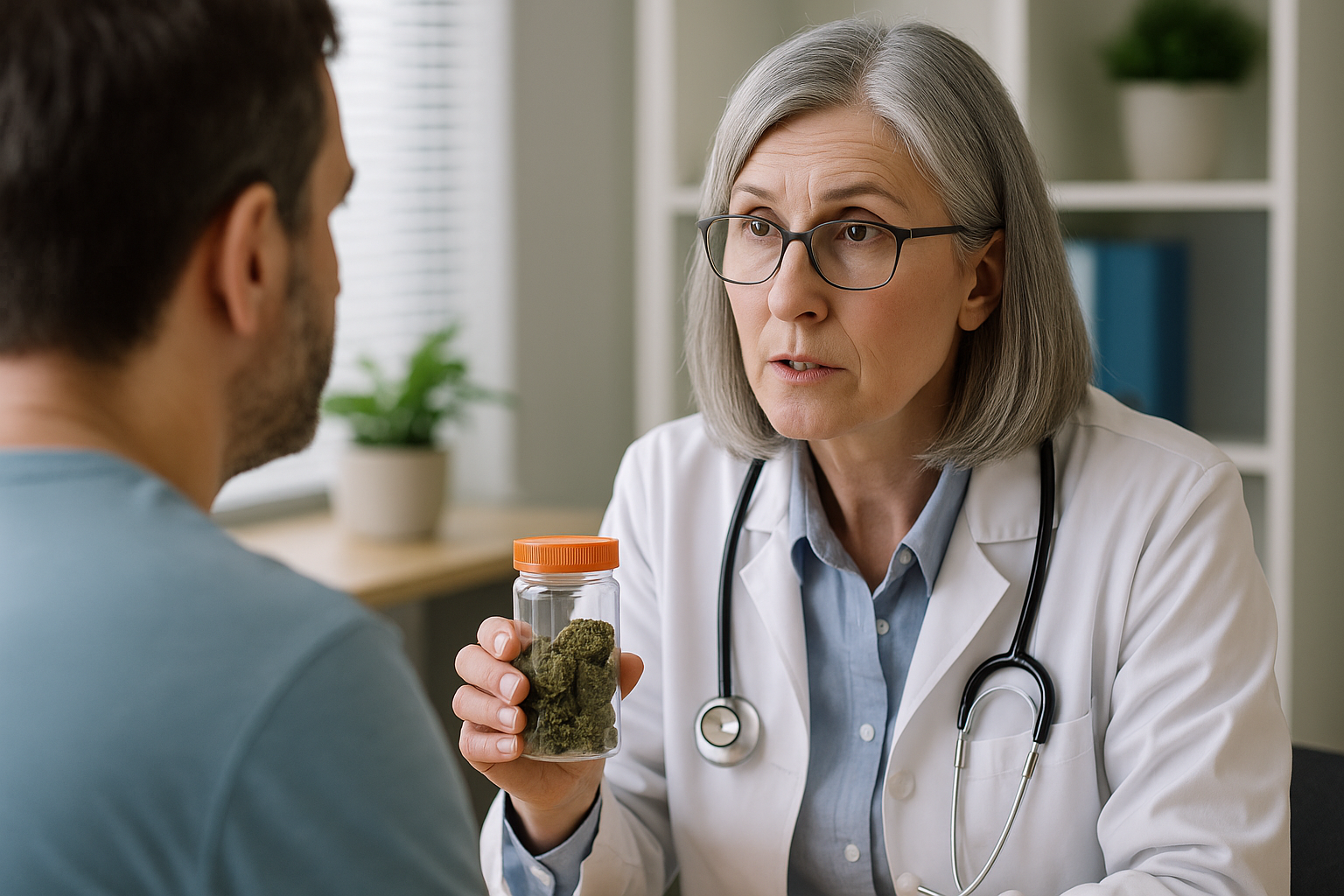
Talking about cannabis with a doctor can feel uncomfortable, especially for people who are unsure how it will be received. Many patients use or consider cannabis for pain, sleep, or stress and want clear medical guidance without judgment. Starting the conversation the right way can lead to safer choices and better care.
How to Talk to Your Doctor About Cannabis
Talking to a doctor about cannabis can feel awkward, but clear and honest conversations matter when health is involved. Cannabis affects the body in real ways, and medical guidance helps reduce risks while improving outcomes.
Share the Reason for Considering Cannabis
Explain the symptoms or conditions that led to interest in cannabis. Pain, sleep issues, anxiety, nausea, or appetite problems each call for different medical considerations. Clear context helps the doctor assess if cannabis fits into the care plan.
Discuss Current Medications and Supplements
Cannabis can interact with prescription drugs and over the counter supplements. Some combinations may increase side effects like drowsiness, dizziness, or heart rate changes. Full disclosure allows the doctor to identify potential interactions early.
Talk About Past Experience With Cannabis
Mention any prior cannabis use and how the body responded. Effects such as relief, anxiety, fatigue, or discomfort offer valuable clues. This information helps guide decisions around dosing, product type, and monitoring.
Ask About Potential Benefits and Limitations
Cannabis may help certain symptoms but does not work the same way for everyone. A doctor can explain realistic expectations, evidence based benefits, and situations where cannabis may not be effective.
Review Possible Side Effects and Risks
Short term effects can include impaired coordination, changes in mood, or memory issues. Long term or frequent use may affect mental health, sleep patterns, or dependency risk. Understanding these factors supports safer use.
Clarify Dosage and Product Types
Cannabis products vary widely in strength and formulation. Oils, capsules, edibles, and inhaled options behave differently in the body. A doctor can advise on starting doses, pacing, and signs that adjustments are needed.
Address Legal and Workplace Considerations
Medical cannabis laws differ by location, and some jobs maintain strict drug policies. Doctors can help patients understand documentation requirements and potential implications tied to testing or travel.
Plan Follow Ups and Monitoring
Cannabis use should not be a one time discussion. Ongoing check ins help track effectiveness, side effects, and changes in health status. Regular monitoring supports responsible and informed use over time.
Benefits of Cannabis for Overall Health
Cannabis continues to gain attention for its potential role in supporting overall wellness when used responsibly and with medical guidance.
- Pain Management: May help reduce chronic pain by interacting with the body’s endocannabinoid system, especially for nerve related or inflammatory discomfort.
- Improved Sleep Quality: Certain cannabinoids may support deeper and longer sleep by promoting relaxation and reducing nighttime discomfort.
- Stress and Anxiety Support: Some formulations may help calm the nervous system and lower stress levels when properly dosed.
- Inflammation Reduction: Cannabis compounds may assist in managing inflammation linked to conditions like arthritis or autoimmune disorders.
- Appetite Regulation: Can help stimulate appetite in individuals dealing with nausea, illness related weight loss, or reduced hunger.
- Muscle Relaxation: May ease muscle tension and spasms associated with neurological or injury related conditions.
- Mood Support: May contribute to improved mood balance for some individuals when used under medical supervision.
Best Cannabis Products for General Health
People exploring cannabis for general wellness often choose from a range of product types that each work a bit differently in the body.
- CBD Oil Tinctures: A liquid extract taken under the tongue that may support calm and general balance without strong psychoactive effects.
- Full-Spectrum Oils: Contain a broader range of cannabis compounds that some people find more effective for whole-body wellness when taken in measured amounts.
- Capsules and Softgels: Pre-measured doses that are easy to take and help with consistent routines.
- Topical Creams and Balms: Applied to the skin for localized relief of tension or discomfort without systemic effects.
- Edible Options: Foods or gummies that deliver cannabinoids through digestion and offer longer lasting effects.
- Inhaled Flower or Vapor Products: Fast-acting options for those needing quick onset, used with caution and guidance.
- Transdermal Patches: Slow, steady release through the skin that some people prefer for sustained symptom support.
How to Access Medical Cannabis
Accessing medical cannabis starts with proper authorization and guidance. A medical cannabis card confirms eligibility, protects patients legally, and opens access to regulated products.
Cheap Med Cards simplifies this process by connecting patients with licensed providers and handling the steps efficiently and securely.
- Check Eligibility: Review qualifying medical conditions based on state guidelines to confirm eligibility for medical cannabis use.
- Complete an Online Evaluation: Schedule a quick medical assessment through Cheap Med Cards with a licensed healthcare provider.
- Receive a Medical Recommendation: Obtain approval if cannabis is deemed appropriate for the condition being treated.
- Submit State Registration: File the required application and documentation with the state medical cannabis program.
- Get the Medical Card: Receive the official medical cannabis card, often delivered digitally or by mail.
- Access Licensed Dispensaries: Use the card to purchase regulated medical cannabis products legally and safely.
Final Thoughts
Open and informed conversations about cannabis lead to safer decisions and better health outcomes. Cheap Med Cards supports patients at every stage by making medical cannabis access simple, legitimate, and stress free.
Take the next step with confidence by starting your application through Cheap Med Cards today and move forward with clarity and proper medical guidance.
Frequently Asked Questions
Can a doctor refuse to discuss cannabis?
Yes. Some doctors may be uncomfortable due to personal beliefs, lack of training, or clinic policies. In those cases, seeking a cannabis knowledgeable provider may help ensure informed guidance.
Will cannabis use appear on medical records?
Cannabis discussions and recommendations may be documented like other treatments. Medical records are protected, but access can vary depending on healthcare systems and insurance involvement.
Does medical cannabis affect health insurance coverage?
Medical cannabis products are not typically covered by insurance. However, holding a medical card does not usually impact insurance eligibility or benefits.
Is medical cannabis different from recreational cannabis?
Yes. Medical cannabis is often regulated differently, may offer stronger formulations, and provides legal protections that recreational use does not include.
Can medical cannabis be used alongside lifestyle changes?
Yes. Many patients use cannabis as part of a broader wellness plan that includes diet, exercise, sleep improvements, and stress management.
How long does it take to feel results from medical cannabis?
Timing depends on the product type and individual response. Some forms act within minutes, while others may take hours or require consistent use over time.
Is a medical cannabis card valid in other states?
Not always. Some states honor out of state cards, while others do not. Travel rules vary and should be reviewed before carrying or purchasing cannabis elsewhere.