
Cannabis and Multiple Sclerosis: A Comprehensive Guide to Potential Benefits
Multiple Sclerosis (MS) is a chronic autoimmune disease that affects the central nervous system, causing symptoms like muscle spasticity, pain, fatigue, and mobility issues. For those living with MS, finding effective symptom management is crucial to maintaining quality of life. In recent years, cannabis has emerged as a promising option for alleviating MS symptoms, backed by growing research and patient testimonials. This comprehensive guide explores how cannabis, including THC and CBD, can support individuals with MS, offering a natural approach to symptom relief. For a broader perspective on cannabis’s therapeutic potential, check out our blog on CBD’s role in modern medicine.
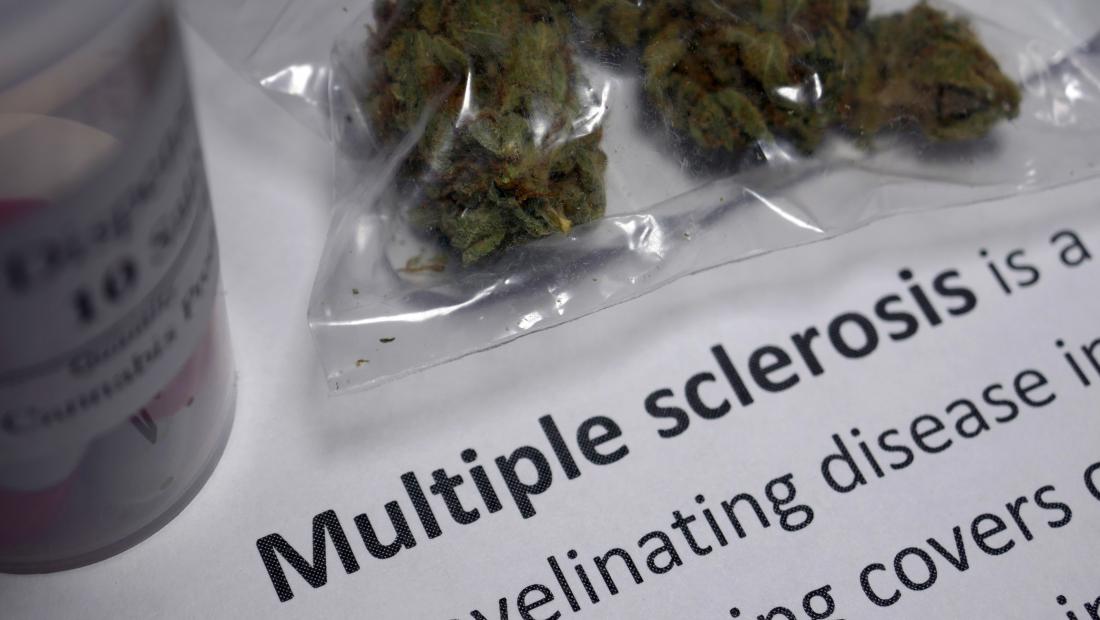
Understanding Multiple Sclerosis and Its Challenges
Multiple Sclerosis occurs when the immune system attacks the protective myelin sheath around nerve fibers, disrupting communication between the brain and body. This leads to a range of symptoms, including muscle spasms, neuropathic pain, bladder dysfunction, and cognitive difficulties. Traditional treatments, such as muscle relaxants and pain medications, often provide partial relief and may cause side effects like drowsiness or dependency. Cannabis offers an alternative or complementary option, with compounds like THC and CBD targeting MS symptoms through the body’s endocannabinoid system. To learn more about cannabis for neurological conditions, our blog on medical marijuana and epilepsy provides valuable insights.
Reducing Muscle Spasticity and Spasms
Muscle spasticity, characterized by involuntary muscle stiffness and spasms, is a hallmark symptom of MS that can severely limit mobility. Cannabis, particularly THC, has muscle-relaxant properties that can help reduce spasticity. A 2012 study published in the *Canadian Medical Association Journal* found that smoked cannabis significantly reduced spasticity in MS patients compared to a placebo. CBD, while less studied for spasticity, may complement THC by reducing inflammation and enhancing relaxation. Patients using cannabis often report improved mobility and less discomfort during daily activities. For more on managing physical symptoms, explore our guide on the benefits of marijuana for pain.
Alleviating Neuropathic Pain
Neuropathic pain, caused by nerve damage, is a common and debilitating symptom for MS patients. Cannabis’s analgesic properties, driven by THC and CBD, can help manage this chronic pain. THC interacts with cannabinoid receptors to modulate pain signals, while CBD’s anti-inflammatory effects may reduce nerve-related discomfort. A 2018 review in *Frontiers in Neurology* noted that cannabis-based treatments, such as Sativex (a THC-CBD oral spray), were effective in reducing MS-related pain. This natural approach can reduce reliance on opioids, which carry risks of addiction. For insights into pain relief strategies, our blog on using marijuana for pain relief offers practical tips.
Improving Sleep and Reducing Fatigue
Fatigue and sleep disturbances are prevalent in MS, often exacerbated by pain and spasticity. Cannabis, particularly indica strains high in THC or CBD-rich products, can promote relaxation and improve sleep quality. CBD’s anxiolytic effects may also help calm the mind, making it easier to fall and stay asleep. Better sleep can, in turn, reduce daytime fatigue, enhancing overall energy levels and mental clarity. A 2020 study in *Multiple Sclerosis and Related Disorders* found that MS patients using cannabis reported improved sleep and reduced fatigue, highlighting its potential as a multifaceted treatment. For more on cannabis and mental wellness, check out our blog on medical marijuana and depression.
Additional Benefits of Cannabis for MS
Beyond spasticity, pain, and sleep, cannabis may offer other benefits for MS patients, addressing both physical and emotional symptoms. Here are some key advantages:
- Bladder Control: MS often causes bladder dysfunction, such as urgency or incontinence. Some studies suggest cannabis may reduce bladder spasms and improve control, though more research is needed.
- Mood Regulation: Depression and anxiety are common in MS due to the disease’s impact on daily life. CBD’s calming effects can help stabilize mood and reduce anxiety, supporting emotional well-being.
- Anti-Inflammatory Effects: CBD may reduce inflammation in the central nervous system, potentially slowing disease progression, though this is still under investigation.
These benefits make cannabis a versatile option for holistic MS management. For a deeper dive into cannabis’s neuroprotective potential, our blog on cannabis and Alzheimer’s explores similar mechanisms.
Methods of Cannabis Use for MS
MS patients can choose from various cannabis consumption methods, each offering unique benefits depending on symptom severity and lifestyle. Common options include:
- Oral Sprays: Products like Sativex provide precise dosing and are approved in some countries for MS spasticity.
- Tinctures and Oils: CBD or THC-CBD oils allow for customizable dosing and are ideal for sustained symptom relief.
- Edibles: Gummies or capsules offer long-lasting effects, suitable for managing chronic pain or sleep issues.
- Inhalation: Smoking or vaping provides rapid relief for acute symptoms like spasms but may irritate the lungs.
Patients should work with a healthcare provider to determine the best method and dosage. For guidance on choosing consumption methods, our blog on smoking vs. edibles offers a detailed comparison.
Considerations and Challenges
While cannabis shows promise for MS, there are considerations to keep in mind. Side effects, such as dizziness, dry mouth, or cognitive impairment, may occur, particularly with THC-rich products. CBD is generally well-tolerated but can interact with medications like corticosteroids, commonly used in MS treatment. The legal status of cannabis varies by state, so patients must ensure compliance with local regulations, such as obtaining a medical marijuana card. For help navigating the application process, our blog on what medical cards are and how to get one provides practical steps. Additionally, patients should consult a physician, as recommended by the National Multiple Sclerosis Society, to ensure cannabis is safe and effective for their needs.
Navigating Cannabis Use with Professional Support
Working with a healthcare provider or cannabis specialist is crucial for MS patients, as individual responses to cannabis vary. A doctor can recommend appropriate strains, dosages, and delivery methods while monitoring for interactions with existing treatments. In states with medical marijuana programs, a medical card ensures access to high-quality, lab-tested products. For tips on finding a reliable provider, our blog on finding a marijuana doctor online offers actionable advice.
Conclusion: Cannabis as a Tool for MS Symptom Management
Cannabis holds significant potential for individuals with Multiple Sclerosis, offering relief from muscle spasticity, neuropathic pain, fatigue, and other symptoms that impact daily life. With its anti-inflammatory, analgesic, and calming properties, cannabis provides a natural complement to traditional treatments, empowering patients to live more comfortably and actively. While further research is needed, the growing body of evidence and patient experiences underscore cannabis’s value in MS care. Ready to explore cannabis for MS? Contact our clinic today to schedule a consultation and discover how a medical marijuana card can support your journey to better health.