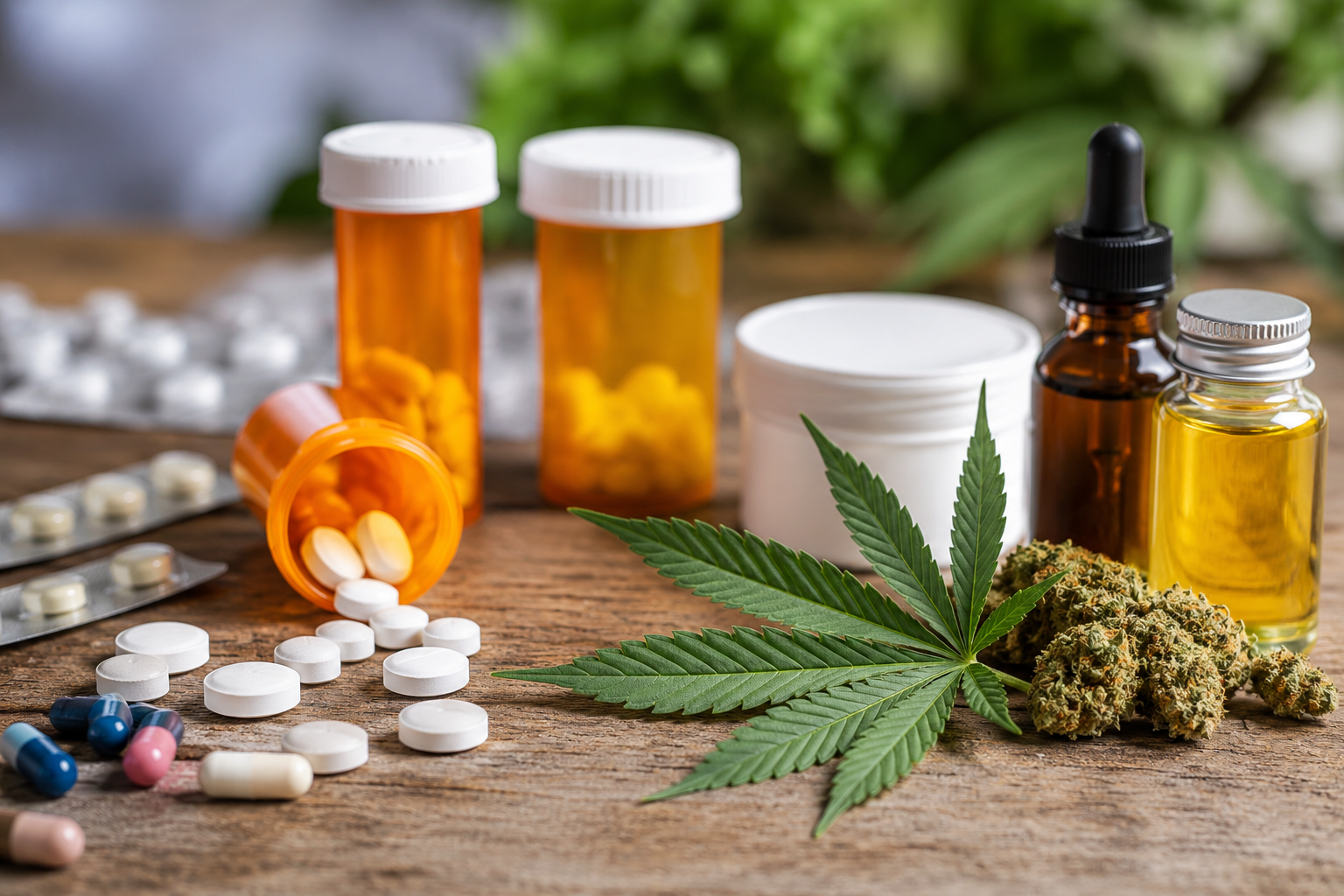

How Medical Marijuana May Help Fight Depression
By modulating neurotransmitter release and influencing neuroplasticity, medical marijuana may help alleviate symptoms of depression, providing relief for those who have found little success with traditional pharmaceutical treatments.
Furthermore, the various strains of medical cannabis can offer different effects, allowing patients to tailor their treatment to suit their individual needs. For instance, some strains may promote relaxation and reduce anxiety, while others may enhance mood and increase energy levels.

As more studies are conducted, the understanding of how medical marijuana can be effectively integrated into mental health care continues to evolve, offering hope to those seeking alternative solutions for managing their depression.
However, it’s crucial for patients to consult with healthcare professionals to develop a personalized treatment plan that considers their unique circumstances and medical history, ensuring safe and effective use of medical marijuana in their journey toward improved mental health.
What is Depression?
Depression is a complex mental health condition characterized by a wide array of symptoms that can significantly impact an individual’s daily life and overall well-being.
Common symptoms of depression
include:
☠ persistent feelings of sadness
☠ hopelessness
☠ emptiness which may linger for weeks or even months.
Individuals experiencing depression often find it challenging to derive pleasure or joy from activities that once brought them happiness, leading to a sense of emotional numbness.
Furthermore, changes in appetite and sleep patterns are prevalent; some may experience a loss of appetite and significant weight loss, while others may indulge in overeating as a means to cope.
Sleep disturbances can manifest as insomnia, where falling or staying asleep becomes a struggle, or hypersomnia, characterized by excessive sleeping.

Sleep Disturbances
Sleep disturbances can manifest as insomnia, where falling or staying asleep becomes a struggle, or hypersomnia, characterized by excessive sleeping.Symptoms that are prominent in depression are:
☑ difficulties in concentrating and making decisions
☑ very poor in remembering details
☑ being overwhelmed by everyday tasks
☑ exacerbating feelings of inadequacy and self-doubt
☑ chronic fatigue
☑ body aches
☑ digestive issues rise
Further complicating the individual’s experience of depression. In severe cases, thoughts of self-harm or suicide can emerge, which underscores the urgency of addressing the condition through appropriate mental health interventions.
Overall, the multifaceted nature of depression necessitates a comprehensive understanding of its symptoms, as well as empathy and support from those around the affected individual, to foster recovery and healing.

Important Points About Marijuana and Depression
☉ The use of marijuana among individuals experiencing acute depression raises several potential risks that warrant careful consideration.
☉ Firstly, while some individuals may turn to marijuana as a means of self-medication to alleviate their depressive symptoms, the psychoactive components of the drug, particularly THC, can have unpredictable effects on mood and cognition.
☉ For some users, marijuana may initially provide a sense of euphoria or relaxation, but this can quickly be followed by heightened anxiety or paranoia, which can exacerbate depressive symptoms rather than alleviate them.
☉ Additionally, the alteration of brain chemistry caused by marijuana use can lead to dependency, creating a cycle where individuals may feel compelled to use the substance to cope with their emotional pain, ultimately hindering their ability to seek more effective treatments such as psychotherapy or pharmacotherapy.
☉ Furthermore, marijuana use can interfere with sleep patterns, which is particularly concerning for individuals with acute depression, as restorative sleep is crucial for emotional regulation and overall mental health.
☉ Disrupted sleep can lead to increased fatigue, irritability, and a diminished capacity to handle stress, further complicating the individual’s depressive state.
☉ There is also a risk of social withdrawal; individuals may choose to isolate themselves while using marijuana, leading to decreased social interactions and support systems, which are vital for recovery from depression.
Lastly, there is a growing body of research suggesting that marijuana use may be associated with an increased risk of developing chronic mental health issues, including persistent depressive disorder or exacerbated mood disorders, particularly in those who have a predisposition to such conditions.
This underscores the importance of a nuanced understanding of marijuana’s effects, especially for those grappling with acute depression.