
Can Cannabis Treatment Help With ALS?
In recent years, there has been growing interest in exploring alternative treatments for ALS, particularly the therapeutic potential of cannabis.
Cannabis, with its active compounds called cannabinoids, has shown promise in alleviating some of the symptoms associated with ALS and improving the quality of life for patients.
This article aims to explore the known and potential causes of ALS while also delving into the therapeutic benefits of cannabis treatment for ALS patients. We’ll examine how cannabinoids interact with the endocannabinoid system to address symptoms such as pain, muscle spasms, appetite loss, and more.
Additionally, we’ll discuss the current state of research and clinical evidence supporting the use of cannabis in ALS management.
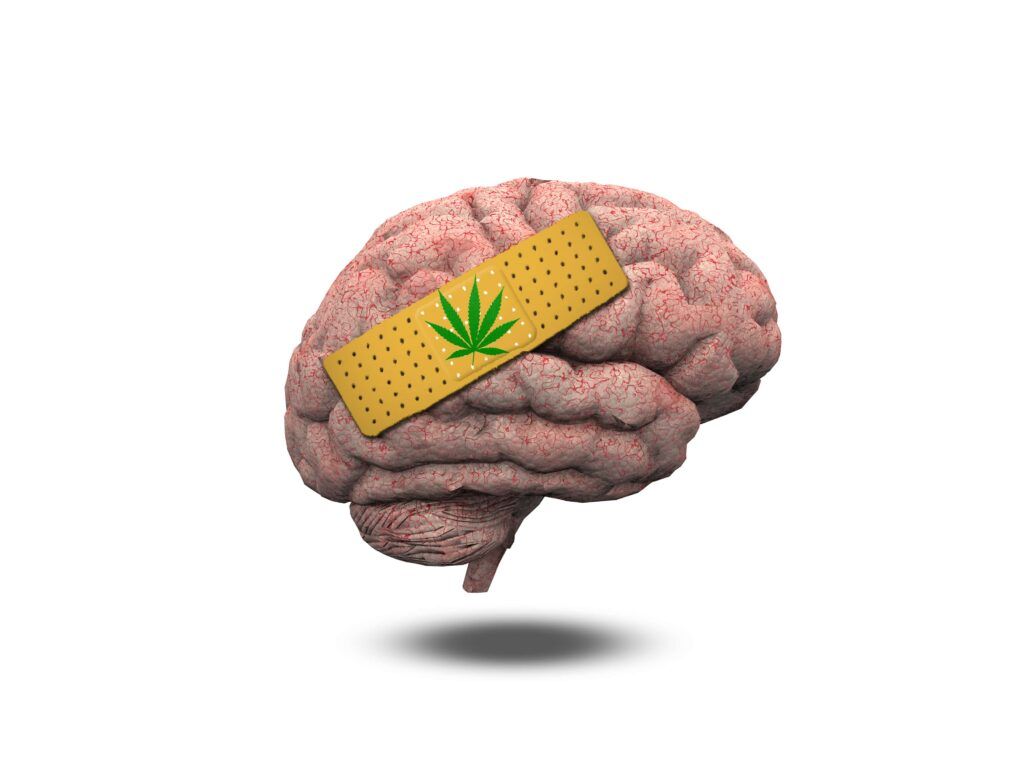
How Can Cannabis Help With ALS?
Cannabis offers potential relief for ALS patients by targeting symptoms such as pain, muscle spasms, and loss of appetite.
Cannabinoids, the active compounds in cannabis, interact with the body’s endocannabinoid system to alleviate these debilitating symptoms. Cannabis may also improve sleep quality and mood disturbances commonly experienced by ALS patients.
By providing:
- Effective pain management
- Improved appetite and weight management
- Enhanced sleep quality
- Reduced anxiety and depression
Cannabis emerges as a multifaceted treatment option for individuals living with ALS.
Pain Management
Research suggests that cannabis may provide effective relief from neuropathic pain and muscle spasms, which are common symptoms experienced by ALS patients.
By exploring cannabis as a pain management option, individuals with ALS and their caregivers may find relief from discomfort and improve their overall quality of life.
Improves Appetite and Weight Management
Cannabis exhibits potential benefits in improving appetite and weight management for individuals dealing with ALS.
The cannabinoids in cannabis interact with the body’s endocannabinoid system, stimulating appetite and addressing weight loss, which are common challenges faced by ALS patients.
Improves Sleep Quality
By interacting with the body’s endocannabinoid system, cannabis can help regulate disrupted sleep patterns commonly experienced by ALS patients.
Research indicates that cannabinoids possess sedative properties that may promote relaxation and enhance both the duration and quality of sleep.
Reduces Anxiety and Depression
Studies suggest that cannabinoids possess therapeutic properties capable of mitigating symptoms of anxiety and depression, providing potential relief for ALS patients.
By interacting with the endocannabinoid system, cannabis has the potential to modulate mood and alleviate the psychological distress associated with the condition.
Considering cannabis as a supplementary therapy offers an alternative approach to managing the emotional challenges often encountered with ALS, aiming to enhance overall emotional well-being.
What is ALS?
ALS, or Amyotrophic Lateral Sclerosis, is a progressive neurodegenerative disease that affects the nerve cells responsible for controlling voluntary muscle movement.
Also known as Lou Gehrig’s disease, ALS gradually leads to muscle weakness, paralysis, and eventual respiratory failure. The exact cause of ALS is not fully understood, but it is believed to involve a combination of genetic and environmental factors.
There is currently no cure for ALS, and treatment focuses on managing symptoms and improving quality of life for patients.
What Causes ALS?
This section explores the diverse factors contributing to ALS, including genetic predispositions, environmental toxins, and cellular processes like oxidative stress and mitochondrial dysfunction.
Understanding these factors is essential for advancing ALS research and treatment strategies.
- Genetic Factors:
- Familial ALS (FALS): Inherited genetic mutations are linked to about 5–10% of ALS cases. Mutations in genes like C9orf72, SOD1, FUS, TARDBP, and others are associated with familial forms of ALS.
- Environmental Factors:
- Exposure to Toxic Substances: Possible link to heavy metals, pesticides, and chemicals.
- Military Service: Ongoing research suggests potential connections between ALS and military-related exposures.
- Oxidative Stress and Neuroinflammation:
- Oxidative Damage: Free radicals may damage motor neurons.
- Neuroinflammation: Inflammation in the nervous system may accelerate ALS progression.
- Mitochondrial Dysfunction: Disrupted energy production may contribute to disease development.
- Glutamate Excitotoxicity: High glutamate levels may cause motor neuron damage.
- Impaired Protein Homeostasis: Misfolded proteins and aggregation may harm neurons.
- Immune System Dysfunction: Abnormal autoimmune responses observed in some ALS cases.
- Viral Infections: Certain viruses may potentially trigger ALS.
- Traumatic Brain Injury and Physical Trauma: Linked to ALS risk in some studies, though evidence is mixed.
- Other Factors: Hormonal imbalances, cellular signaling issues, and other unknown elements.
It’s important to note that the exact cause of ALS remains unclear in many cases. Research is ongoing to better understand the complex mechanisms involved in the disease.
Should ALS Patients Use Cannabis Medication?
The decision for ALS patients to use cannabis medication should be made in consultation with healthcare professionals and based on individual circumstances.
While cannabis may offer potential benefits in alleviating symptoms, it’s essential to consider safety, legal considerations, and potential side effects.
ALS patients and caregivers should discuss the potential risks and benefits of cannabis treatment with medical providers to make informed decisions tailored to their specific needs and preferences.
Final Thoughts
The exploration of cannabis treatment for ALS presents a multifaceted approach to addressing symptoms and improving the quality of life for patients.
The potential benefits in pain management, appetite stimulation, sleep enhancement, and mood regulation offer valuable considerations. However, the decision for ALS patients to utilize cannabis medication requires careful deliberation with healthcare professionals.
The intricate nature of ALS demands ongoing exploration of alternative therapies, with the ultimate goal of enhancing the well-being of those affected by this challenging neurodegenerative disease.