
How to Get a Medical Marijuana Card: A Step-by-Step Guide
For patients seeking alternative treatment options, obtaining a medical marijuana card can provide legal access to cannabis for therapeutic use. With varying state regulations, understanding the application process, eligibility requirements, and benefits is crucial. This guide explains everything you need to know about securing a medical cannabis card and how it can improve your quality of life.
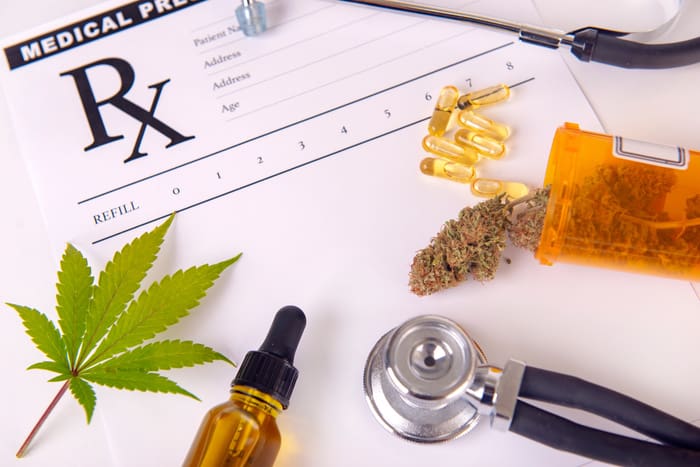
What Is a Medical Marijuana Card?
A medical marijuana card (MMJ card) is an official state-issued identification that allows qualified patients to purchase, possess, and use cannabis for medical purposes. Unlike recreational cannabis, medical marijuana is regulated to ensure patients receive proper dosages and strains tailored to their conditions.
States with legal medical marijuana programs require patients to obtain this card before purchasing from licensed dispensaries. Each state has its own rules, but the general process involves physician approval and state registration.
Why Should You Get a Medical Marijuana Card?
- Legal Protection: Avoid penalties for cannabis possession under state law.
- Access to Higher-Quality Products: Medical dispensaries often carry specialized strains with higher potency and purity.
- Cost Savings: Many states exempt medical cannabis from high recreational taxes.
- Higher Purchase Limits: Medical patients can typically buy more cannabis than recreational users.
Who Qualifies for a Medical Marijuana Card?
Eligibility varies by state, but most programs require:
- A diagnosed qualifying condition (e.g., chronic pain, epilepsy, PTSD, or cancer).
- Proof of residency in the state where you’re applying.
- A physician’s recommendation from a licensed healthcare provider registered with the state’s medical cannabis program.
Some states also allow minors to qualify with parental consent and additional medical approvals. Check your state’s specific guidelines for a full list of qualifying conditions.
How to Apply for a Medical Marijuana Card
The application process typically follows these steps:
- Consult a Certified Physician: Schedule an appointment with a doctor registered in your state’s medical marijuana program.
- Submit Medical Records: Provide documentation proving your qualifying condition.
- Complete State Registration: Fill out the required forms and pay the application fee (costs vary by state).
- Receive Your Card: Once approved, you’ll get your MMJ card, usually via mail or digital download.
Processing times range from a few days to several weeks, depending on the state. Some states offer temporary digital cards while you wait for the physical copy.
What to Expect During Your Doctor’s Visit
Your physician will review your medical history and discuss whether cannabis could benefit your condition. Be prepared to answer questions about:
- Current symptoms and treatments
- Previous cannabis use (if any)
- Potential risks and side effects
If approved, the doctor will submit a recommendation to the state, allowing you to proceed with your application.
Benefits of Having a Medical Marijuana Card
Beyond legal access, an MMJ card offers several advantages:
- Tax Savings: Many states impose lower (or no) taxes on medical cannabis purchases.
- Greater Product Selection: Dispensaries often reserve high-CBD or low-THC products for medical patients.
- Employment Protections: Some states prohibit employers from discriminating against medical cannabis patients.
- Reciprocity: Certain states accept out-of-state medical cards, allowing legal purchases while traveling.
Additionally, medical users often receive personalized consultations at dispensaries to find the best products for their needs.
Common Misconceptions About Medical Marijuana Cards
Myth: “Getting a card will put me on a government list.”
While states maintain patient registries, these records are typically confidential and protected under HIPAA laws.
Myth: “I can get in trouble with federal authorities.”
Although cannabis remains federally illegal, the U.S. government has generally respected state medical marijuana laws under the Cole Memorandum guidelines.
Myth: “The card is expensive and not worth it.”
When considering tax savings and product quality, most patients find the card pays for itself quickly.
Conclusion
Obtaining a medical marijuana card opens doors to safe, legal cannabis access with significant benefits over recreational use. From legal protections to cost savings and specialized products, the advantages make it worthwhile for qualifying patients. If you believe medical cannabis could help manage your condition, consult a registered physician and begin your application process today.
For more information, explore our resource library or learn about latest cannabis research from trusted medical sources or explore our other resources:
- Arizona – Medical Marijuana Card
- Arkansas – Medical Marijuana Card
- Benefits of a Medical Card in a Recreational State
- Connecticut Medical Marijuana Card
- Delaware Medical Marijuana Card
- Do You Need to Register with the State After Getting a Cannabis Card?
- Florida Medical MarijuanaCard
- Georgia Medical Marijuana Card
- Hawaii Medical Marijuana Card
- How to get a Med card in Ohio
- How to get a med card in Virginia
- How To Get A Medical Card in West Virginia
- How to get Med card in Maine
- How to get Med card in Oklahoma
- Illinois Medical Marijuana Card
- Instant Med Cards
- Iowa Medical Marijuana Card
- Louisiana Medical Marijuana Card
- Maine Medical Marijuana Card
- Maryland Medical Marijuana Card
- Michigan Medical Marijuana Card
- Minnesota Medical Marijuana Card
- Missouri Medical Card Requirements
- The Cheapest Medical Marijuana Card Near Me
- Virginia Medical Marijuana Card
- West-virginia Medical Marijuana Card