
9 Things to Understand on How Marijuana Affects Sleep

A lot of people use marijuana at night hoping it will finally quiet a racing mind and make sleep come easier. Some wake up feeling rested. Others feel foggy, restless, or still exhausted. Before reaching for it as a sleep aid, it helps to understand how marijuana can change the way the body falls asleep, stays asleep, and feels the next day. Can Marijuana Help Me Sleep? Marijuana can make it easier to fall asleep in the short term, but it can disrupt sleep quality and REM sleep, especially with regular use, and may lead to dependence or grogginess the next day. How Marijuana Affects Sleep Marijuana shows up in a lot of nighttime routines now, especially for people who feel wired at bed or stuck in a long stretch of bad sleep. It can feel like a simple fix, but its effects on sleep are more complicated than they seem. It can shorten the time it takes to fall asleep at first THC often makes people sleepy and may help them drift off faster in the short term. This is the main reason many users reach for marijuana at night. It changes sleep stages, especially REM Research consistently links THC with reduced REM sleep, the stage tied to dreaming, mood balance, and memory processing. Some users notice fewer dreams or less vivid dreaming. Over time, reduced REM may leave sleep feeling less restorative. Effects differ by compound and dose THC tends to cause sedation at lower doses but can increase anxiety or alertness at higher doses, which may worsen sleep. CBD looks less sedating overall and may help sleep indirectly by easing anxiety or pain, though results in people stay mixed. Products with different THC to CBD ratios can lead to very different nights. Tolerance can build with regular use With frequent nighttime use, the brain adapts. The sleepy effect can fade, leading to higher doses to get the same result. As tolerance rises, people may take longer to fall asleep again or wake more during the night. Stopping after heavy use can disrupt sleep When regular users quit, sleep often gets worse for a while. Common effects include insomnia, lighter sleep, and intense dreaming from REM rebound. This withdrawal pattern can pull people back into nightly use. Delivery method changes the experience Smoking or vaping hits fast and may help with falling asleep, but it wears off sooner and may not support staying asleep. Edibles take longer to kick in but last longer into the night, which can help some people and leave others groggy the next morning. It is not a proven treatment for sleep disorders Major sleep medicine groups say evidence is limited for using cannabis to treat insomnia or other sleep disorders, and they advise caution, especially for conditions like sleep apnea. Many studies are small or vary in product strength and makeup, so results stay hard to generalize. Some people should avoid using it for sleep Experts urge extra caution for teens, pregnant or breastfeeding people, and anyone with a history of psychosis, severe anxiety, heart problems, liver disease, or untreated sleep apnea. Marijuana can also interact with common medications, including antidepressants and sleep drugs. Next day effects matter Even if someone sleeps longer, marijuana can leave lingering sedation, slower reaction time, or brain fog the next day, especially with higher THC products or edibles. That tradeoff is part of the overall sleep picture. How to Best Use Cannabis for Sleep Cannabis can feel like a tempting shortcut on rough nights, but using it for sleep works best with a careful, low-key approach that puts safety and consistency first. Best Marijuana Products for Sleep Aid Marijuana sleep products come in a few common forms, and the best pick usually depends on how fast sleep needs to happen, how long support should last, and how sensitive someone is to THC. Final Thoughts Marijuana may help some people fall asleep faster, but long term use can shift sleep quality, dreams, and next day energy in ways that matter. The safest path is to stay informed, start low, and make choices that fit real health needs. If medical cannabis feels like the right next step, see if you qualify for a low cost med card with Cheap Med Cards and get guided support without the hassle. Frequently Asked Questions Does indica vs sativa matter for sleep? Strain labels do not reliably predict sleep effects. Many products get their relaxing feel from terpene and cannabinoid profiles, not the indica or sativa tag. How long do sleep effects last? Inhaled cannabis usually peaks within minutes and fades after two to four hours. Edibles and oils can last six to eight hours or longer, which may help staying asleep but also raise next day grogginess risk. Can cannabis worsen snoring or breathing at night? THC can relax airway muscles and may aggravate snoring in some people. Sleep specialists also advise against using cannabis to treat sleep apnea. What happens to dreaming after stopping cannabis? Many people notice a burst of vivid dreams or nightmares for a short time after quitting, because REM sleep rebounds. Can cannabis help sleep during menopause or chronic pain flares? Some small studies and patient reports suggest benefits when hot flashes, pain, or anxiety keep someone up. Evidence stays limited, so results vary widely across individuals and products. Does cannabis affect sleep differently in older adults? Older adults often feel stronger effects from the same dose and may face higher fall risk at night and more next day sedation. Clinicians usually recommend lower starting doses for this group. Could using cannabis for sleep show up on a drug test? Yes. THC metabolites can remain detectable for days to weeks depending on dose, frequency, body fat, and test type, even if sleep effects feel short lived. When should a doctor get involved? Talk with a clinician if insomnia lasts more than a few weeks, if daytime sleepiness affects safety, or if cannabis use starts to feel
Recreational Marijuana Laws in Pennsylvania: 10 Vital Points

In Pennsylvania, recreational marijuana sits in a strange gray area of public debate and private conversation. People hear about neighbors in other states buying cannabis like they buy wine, then look at Pennsylvania’s rules and feel confused or frustrated. This article breaks down where the law currently stands, what is allowed, what can get someone in trouble, and the key points to understand before making any risky choices. Is Recreational Marijuana Permitted in PA? No. Pennsylvania has not legalized recreational marijuana for adult use, so non-medical possession and sales remain illegal under state law. Recreational Marijuana Laws in Pennsylvania Pennsylvania sees marijuana everywhere in culture and nearby states, but the rules at home still carry real consequences. Knowing what the law allows now helps avoid a mistake that can follow someone for years. Recreational use remains illegal statewide Pennsylvania has not legalized adult use marijuana. Buying, selling, or possessing cannabis without a medical card violates state law, even if another state sold it legally. Possession penalties under state law State law treats possession of a small amount, defined as 30 grams or less of plant cannabis or 8 grams or less of hashish, as a misdemeanor. A conviction can bring up to 30 days in jail and a $500 fine, plus court costs. Larger amounts can trigger harsher charges, including possible intent to deliver. Some cities decriminalize small amounts Several cities, including Philadelphia, Pittsburgh, Harrisburg, Allentown, York, and Bethlehem, lowered penalties for small possession to civil fines. Police can still cite or confiscate marijuana, and state law still applies outside those city limits. Medical marijuana is legal with a card Pennsylvania allows medical cannabis for approved conditions through a state program. Patients with a valid card can buy from licensed dispensaries and possess medical marijuana within program limits. Non patients do not get these protections. Home growing stays illegal Pennsylvania does not allow home cultivation for medical patients or for the general public. Growing even a small number of plants can lead to serious criminal charges. Public use can still cause trouble Smoking or consuming marijuana in public remains illegal statewide. In decriminalized cities, public use often brings a higher civil fine, and police can escalate enforcement if other factors are involved. Driving and marijuana do not mix Pennsylvania enforces DUI laws for cannabis. Impairment charges can apply, and drivers can face penalties if tests show THC in their system. Do not assume legality from medical use or out of state purchases. Jobs, housing, and schools may enforce stricter rules Employers, landlords, and schools can ban marijuana use and discipline people who test positive. Medical card status does not always prevent workplace action, especially in safety sensitive roles. Federal property follows federal law National parks, federal buildings, and other federal lands in Pennsylvania prohibit marijuana. Federal enforcement can apply even if a local city ordinance uses fines instead of arrests. Legalization efforts continue but have not passed The Pennsylvania House passed HB 1200 in May 2025 to legalize adult use through a state run sales model, but the Senate shelved it. Lawmakers continue debating alternatives, and the governor keeps pushing legalization in budget talks. No change becomes law until both chambers pass a bill and the governor signs it. Best Ways to Get Cannabis in PA Cannabis access in Pennsylvania stays limited, so the safest approach is to stick to what state law clearly allows and avoid moves that can spiral into charges. Final Thoughts Pennsylvania still draws a hard line between medical and recreational cannabis, so staying informed matters as much as staying careful. Until adult use becomes legal, the safest path is to follow the medical program, buy only from licensed dispensaries, and avoid habits that trigger charges. For anyone ready to take that legal route without overpaying or getting lost in the paperwork, get a cheap PA med card with Cheap Med Cards and move forward with confidence. Frequently Asked Questions Can someone under 21 use marijuana legally in Pennsylvania? Yes, but only through the medical program. Minors need a qualifying condition, a state medical card, and a registered caregiver to purchase and administer products. What forms of medical cannabis are allowed in PA? Dispensaries sell pills, tinctures, oils, topical products, concentrates, and vaporization products. Raw flower is allowed for vaporizing, but smoking is still prohibited under the medical rules. Does Pennsylvania accept out of state medical marijuana cards? No. Pennsylvania does not offer reciprocity, so dispensaries only serve patients with Pennsylvania issued cards. Visitors must follow the same state illegal possession rules as everyone else. How do caregivers work in the PA medical program? A caregiver must register with the state, pass a background check, and get approval before buying for a patient. Caregivers can shop only for the patients listed on their profile. Can a past small possession charge be cleared in Pennsylvania? Some minor marijuana cases may qualify for expungement or automatic sealing, depending on the offense level and time passed without new arrests. Misdemeanor and felony convictions usually need a pardon first. Is marijuana paraphernalia treated differently than marijuana itself? Not really. Pipes, vapes, grinders, and similar items can bring separate paraphernalia charges, which may carry penalties beyond a simple possession citation. Does medical marijuana affect gun ownership in Pennsylvania? Federal law still bans firearm possession for anyone using marijuana, including medical patients. That means a card can create legal risk with gun purchases or permits.
Top 5 Medical Uses of Cannabis (And How to Do It Correctly)
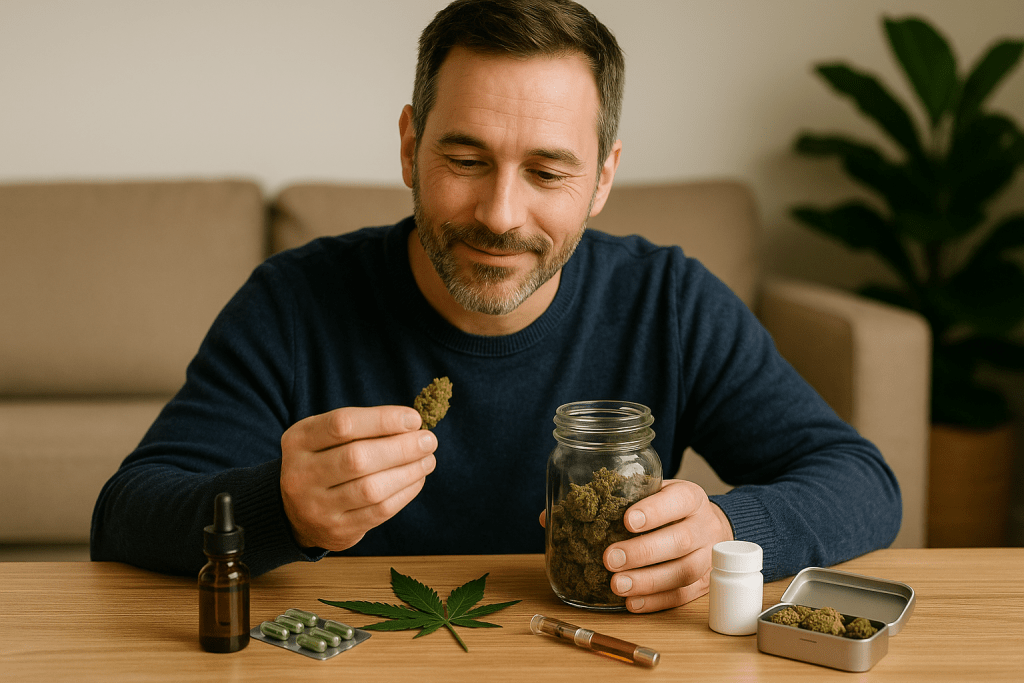
Cannabis has moved from whispered curiosity to a practical option that many people lean on for real relief. If you have ever wondered how others use it for their health or how to approach it with confidence, you are not alone. Before exploring the top medical uses, it helps to understand what works, what does not, and how to use it in a way that truly supports your well-being. What are the Medical Uses of Cannabis? A growing number of people turn to medical cannabis because they want relief that feels manageable and natural. Researchers continue to study its benefits, and many findings support what patients experience in daily life. Below are the medical uses that stand out the most, along with simple ways to use cannabis safely, correctly, and within the law. 1. Pain Management Many patients use cannabis to ease chronic pain, especially pain linked to arthritis, migraines, and nerve damage. A 2017 report from the National Academies of Sciences found strong evidence that cannabis can reduce chronic pain in adults. Researchers believe cannabis works by interacting with receptors that influence how the body processes pain signals. To apply this use correctly, choose products that list clear THC and CBD ratios. Start low and increase slowly until you feel steady relief. 2. Anxiety Relief Some people find that CBD rich cannabis helps calm racing thoughts. A 2019 study published in The Permanente Journal reported that CBD improved anxiety scores in most participants during the first month of use. Patients often say they feel more grounded and steady after consistent dosing. Use a CBD dominant product to lower the chance of feeling overwhelmed. Take it in the evening or during quiet moments so you can observe your reactions in a relaxed setting. Confirm local laws about possession limits and always keep products in their original containers when traveling. 3. Sleep Support Cannabis can help people who struggle to fall asleep or stay asleep. Research shows that THC may shorten the time it takes to drift off, while CBD may help with overall sleep quality. A 2020 study in the Journal of Cannabis Research found that patients using medical cannabis for insomnia reported better sleep with continued use. Use a gentle nighttime formula with moderate THC. Consume your dose about an hour before bed so your body can settle. Keep your bedroom calm and limit screens to help strengthen the effect. 4. Appetite Stimulation People who face appetite loss related to cancer treatment, chronic illness, or HIV often turn to cannabis. Studies show that THC can improve appetite and create a more relaxed eating experience. A well known clinical trial from the early 2000s found that dronabinol, a synthetic form of THC, increased food intake in patients with AIDS related wasting. If you plan to use cannabis for appetite, choose an edible or tincture for longer lasting effects during meals. Follow approved medical program rules in your area and store your products away from children and pets. 5. Muscle Spasticity Relief Patients with conditions like multiple sclerosis sometimes experience painful muscle tightness. Cannabis shows promise here. A 2012 randomized trial published in CMAJ found that cannabis reduced spasticity scores in patients with treatment resistant MS symptoms. Use measured vape cartridges or oral sprays that allow controlled dosing. Begin with the smallest amount so you can feel the change in your muscles without feeling overly sedated. Always confirm that your medical card is active and valid before purchasing. Different Marijuana Products to Choose From People exploring medical cannabis often feel surprised by how many product options exist. Each one offers its own strengths, and choosing the right form can make the whole experience smoother and more effective. What to Avoid When Using Medical Cannabis People often focus on what to try when they begin using medical cannabis, but knowing what to avoid can make the experience safer and far more effective. A few simple precautions help you stay confident and in control. Final Thoughts Medical cannabis can support comfort, balance, and daily well-being when you use it with care and clarity. As you explore the options that fit your needs, take your time, stay curious, and keep your choices grounded in safety and legality. If you feel ready to begin with guidance you can trust, we at Cheap Med Cards are here to help. You can start your journey with confidence — get your medical card today and let our team walk you through every step with ease. Frequently Asked Questions Can medical cannabis interact with prescription medications? Yes, some medications can change how cannabis affects your body. Speak with a medical professional so you can adjust your plan safely and avoid unexpected reactions. How long does it take to feel the effects of medical cannabis? The timing depends on the product you choose. Inhaled forms work within minutes, while edibles and capsules take longer because your body must digest them first. Can older adults use medical cannabis safely? Many older adults benefit from medical cannabis, especially for pain and sleep support. Start with small doses and choose products that list clear potency to avoid unwanted effects. Does medical cannabis require regular follow up with a provider? Most programs encourage check ins so you can update your dose or product type. These visits help you stay on track and keep your medical card active. Can I use medical cannabis during travel? Travel rules vary by location, and some areas prohibit carrying cannabis across borders. Check your local laws and keep your products sealed and labeled during trips. Is it possible to build tolerance to medical cannabis? Yes, your body can adjust over time. If you feel less relief, take short breaks or switch product types to help restore balance.
How Long Does Marijuana Stay in Your System?
Figuring out how long marijuana stays in your system can feel confusing, especially when people share different experiences. You might be curious because of work, health, or simple peace of mind. This quick guide will help you understand what really affects how long it lingers in your body, in a clear and friendly way. How Long Does Marijuana Stay in Your System? Marijuana can stay in your system for a few days to several weeks. Your body stores THC in fat cells, so the timeline depends on how often you use it, your metabolism, your body composition, and the type of test. Occasional use usually clears in a few days. Regular use can take a few weeks to leave your system. Factors Affecting THC Duration in the Body Many things shape how long THC stays in your body. Understanding these basics can help you get a clearer picture. How to Use Cannabis for the Best Effects Using cannabis with intention can help you get better effects and a more comfortable experience. Start with a small amount Begin with a low dose, especially if you are new or trying a new product. A small amount helps you understand how your body responds before you increase anything. Choose the right strain or product Look for products that match the experience you want. Some strains create a calm, relaxing feeling. Others bring a more uplifting effect. Read labels, ask knowledgeable staff for guidance, and take your time exploring what works for you. Pay attention to timing Set aside space to enjoy the experience without stress. Give yourself time for the effects to appear because edibles, oils, and smoked products act at different speeds. Eat and hydrate before and after A light meal and enough water help your body respond more smoothly. This simple step can prevent discomfort and keep your experience steady. Create a comfortable setting Choose a place where you feel safe and relaxed. Good lighting, soft music, and familiar surroundings can make your session more enjoyable. Avoid mixing with alcohol or other substances Keep cannabis separate from alcohol or other intoxicants. Mixing them can make the effects feel stronger than expected and raise the risk of an unpleasant reaction. Know your limits Pay attention to how your body and mind feel. Stop if you feel uncomfortable. You know yourself best, and listening to your cues helps you stay in control. Store your products safely Keep cannabis in childproof containers and place them out of reach of children and pets. A cool and dry place helps maintain quality and keeps everyone safe. Tips for Flushing Cannabis Out Your System Your body clears THC at its own pace, but some simple habits can support your overall wellness while it does its job. Final Thoughts Understanding how long marijuana stays in your system becomes much easier once you know the basics, and giving your body time always works best. If you want safe access, guidance, or a smoother path to your medical needs, we at Cheap Med Cards are here to help. You can explore your options through our easy online med card service and feel more confident about your next steps. Frequently Asked Questions Can secondhand marijuana smoke show up in a drug test? It’s unlikely, but it can happen in rare situations with heavy, direct exposure in a closed space. Light or casual exposure rarely leaves enough THC in the body to trigger a positive result. Can CBD products make me test positive? Some CBD products contain small amounts of THC. If the product isn’t well regulated or clearly labeled, that THC can build up and appear on a test. How long do edibles stay in the body compared to smoking? Edibles often stay in the body longer because your body processes them through digestion. Their effects last longer too, so the body needs more time to clear everything out. Does drinking more water remove THC faster? Water supports your body’s natural functions, but it won’t speed up the actual removal of THC. Hydration helps your system work smoothly while the body clears THC at its normal pace. Can stress affect THC levels? Stress can influence your metabolism and sleep, which can shape how your body processes many substances, including THC. A calm and rested body often clears things more predictably. Does age affect how long THC stays in the system? Age can play a role because metabolism tends to slow over time. A slower metabolism can make THC linger a little longer for some people.
CBD Vs THC Differences: 6 Major Points to Note
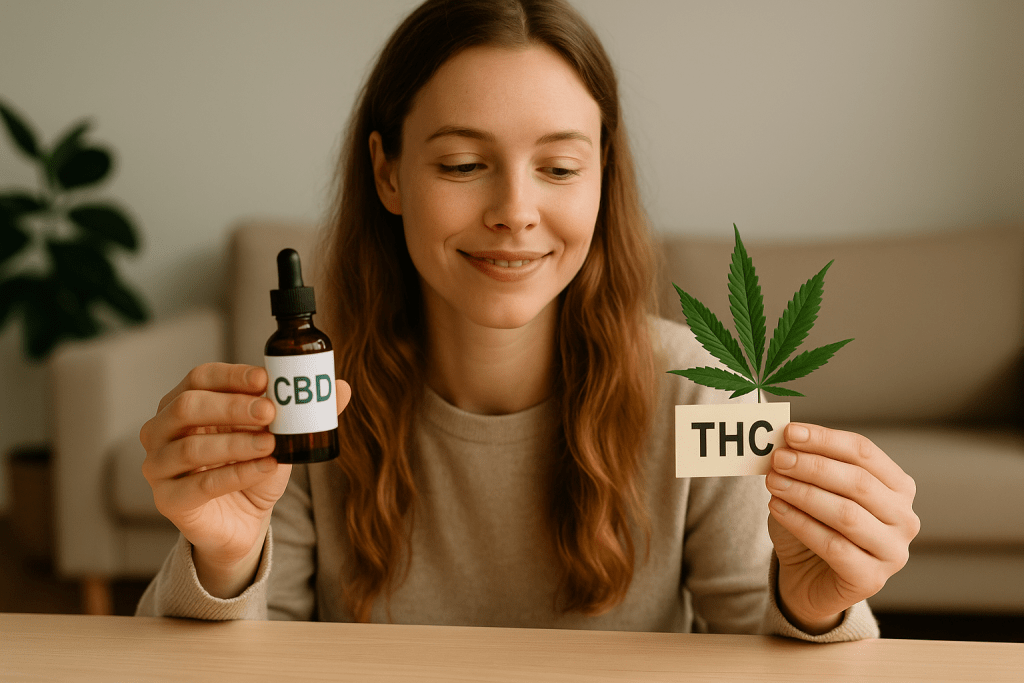
Ever wondered why some people swear by CBD for calmness while others talk about THC for that “high”? Though they both come from the same plant, their effects couldn’t be more different. Let’s break down what sets CBD and THC apart — in simple, real-world terms you can actually relate to. What is CBD? CBD, short for cannabidiol, is a natural compound found in the cannabis plant. It doesn’t cause a “high” and is often used for its calming, anti-inflammatory, and pain-relieving effects. Many people turn to CBD to help manage stress, anxiety, and sleep issues — all without the mind-altering effects of THC. What is THC? THC, or tetrahydrocannabinol, is the main psychoactive compound in cannabis that creates the “high” feeling. It affects the brain by interacting with receptors that influence mood, perception, and coordination. While some use THC for relaxation or pain relief, it can also cause euphoria, altered senses, or, in higher doses, anxiety or paranoia. CBD Vs THC Differences Think of CBD and THC as two cousins from the same plant family — they look pretty similar and come from the same source, but their personalities (and what they do for you) are very different. Let’s look into the key ways they vary so you can decide which one (or both) makes sense for you. Chemical Structure & How They Interact with the Body Although CBD and THC share the same molecular formula, their atoms are arranged differently — and that tiny difference changes everything. Psychoactive Effects One of the clearest differences lies in how they affect your mind. It’s worth noting that while CBD isn’t intoxicating, it still influences the brain — just in a gentler, non-psychoactive way. Legal Status & Source In short, the legality often depends on how much THC a product contains and where it’s sourced from. Medical & Wellness Uses Both CBD and THC are being studied and used for various health and wellness purposes. Interestingly, combining CBD and THC in certain ratios can sometimes enhance their therapeutic effects, offering stronger relief than when used separately. Side Effects & Considerations Even though both compounds are natural, dosage, quality, and individual tolerance play a big role in how they affect you. Drug Tests & Practical Use If you’re subject to drug testing, it’s important to know: When choosing products, always look for lab-tested, transparent brands to ensure you know exactly what you’re using. How to Choose Between CBD Vs THC Choosing between CBD and THC depends on what you’re looking for — whether it’s relief without a high, help with sleep, or something to ease pain or stress. Here are the key factors to consider before deciding which is right for you. Best CBD Products to Consider Before exploring CBD products, it’s important to note that legality varies by location. In some regions, the sale or use of CBD may still be restricted. Always check your local laws before purchasing or using any CBD-based product. If you’re in an area where CBD is legal and regulated, here are some of the most popular types of products to consider: Best THC Products to Consider Before you explore THC products, it’s important to remember: laws vary widely depending on where you live, and higher-potency products carry a greater risk of strong effects and side-effects. Use caution and stay informed. Here are some common THC product types and what to consider beside each: Final Thoughts Understanding the differences between CBD and THC helps you make a smarter, more confident choice for your lifestyle and wellness goals. Whether you’re looking to relax, ease pain, or simply explore natural alternatives, it’s all about finding what works best for your body — and doing it safely and legally. At Cheap Med Cards, we’re here to guide you every step of the way, connecting you with licensed professionals who can help you access medical cannabis responsibly and affordably. If you’re ready to take the next step, get your medical marijuana card today — it’s quick, secure, and designed to make your wellness journey simple and stress-free. Frequently Asked Questions Is it safe to use CBD or THC every day? Daily use can be safe for many people, especially with proper dosage and quality products. However, tolerance and individual response vary — it’s best to start with a low dose and consult a healthcare professional for guidance. Can CBD or THC help with chronic pain? Yes, both may help. CBD is often used for inflammation-related pain, while THC can be more effective for nerve or severe pain. Some find the best results come from a combination of both. Will CBD or THC show up on a drug test? CBD alone typically won’t, but many CBD products contain trace THC that might appear on a test. THC products will almost always trigger a positive result, depending on how much and how often you use them. Can you mix CBD and THC together? Yes. Many users find that combining the two — known as the “entourage effect” — enhances therapeutic benefits while minimizing side effects. The right balance depends on your comfort level and intended use. Do CBD or THC interact with medications? They can. Both compounds may affect how your body processes certain prescriptions, especially those involving the liver. Always talk to your doctor before combining cannabis products with medications. Are CBD and THC suitable for beginners? CBD is a great starting point since it’s non-intoxicating and generally well-tolerated. THC can be used by beginners too, but should start with very low doses to gauge reaction and avoid unwanted side effects. How long do the effects of CBD and THC last? CBD effects usually last 2–6 hours, while THC’s effects can range from 2–8 hours depending on the method of use. Edibles tend to last the longest, while vaping or smoking wears off faster. Can you travel with CBD or THC products? Traveling with CBD is possible in some regions where hemp-derived products are legal, but THC remains heavily restricted.
7 Guaranteed Tips on How to Use Cannabis Edibles Safely

Trying edibles for the first time can be exciting — and a little intimidating. Whether you’re curious about a new way to relax or just want to avoid smoking, it’s important to know how to enjoy cannabis edibles safely. Here’s how to make the experience positive, calm, and enjoyable from the very first bite. What are Cannabis Edibles? Cannabis edibles are food or drink products infused with cannabis extracts, usually containing THC, CBD, or both. They come in many forms, offering a smoke-free way to experience the effects of cannabis. Different Kinds of Cannabis Edibles Cannabis edibles come in many forms, so you can choose what best fits your taste and comfort level. Here are some of the most common types: How to Use Cannabis Edibles Safely Cannabis edibles can be a fun and relaxing way to enjoy cannabis, but using them responsibly is key to having a safe and positive experience. 1. Start Low and Go Slow Begin with a gentle dose — for many beginners, that means around 2.5 – 5 mg of THC. Because edibles are processed through your digestive system and liver, they can hit harder and last longer than smoking. Wait at least 1–2 hours before considering more, so you don’t unintentionally overdo it. 2. Understand the Onset Time & Duration Edibles take longer to kick in — often 30 minutes to 2 hours — and the effects can last 4 to 12 hours or more. Knowing this helps you plan ahead and choose a time when you can relax and feel comfortable. 3. Read the Label & Choose Quality Always check how many milligrams of THC and/or CBD are in each serving. Make sure you’re buying from a trusted source, especially if it’s a regulated market. Quality and accurate labeling make a big difference. 4. Be Mindful of Your Environment Use edibles in a familiar, safe setting where you feel comfortable. Being relaxed helps you enjoy the experience rather than worry about side effects. Also, remember not to drive or operate heavy machinery after consuming. 5. Avoid Mixing with Alcohol or Other Substances Combining edibles with alcohol or other substances can increase the risk of discomfort, dizziness, or unexpected effects. Keeping your experience simple helps you stay more in control. 6. Store Them Safely Keep edibles in a clearly labeled container, out of reach of children and pets. Because they often look like regular snacks, safe storage is essential. 7. Know What To Do If It’s Too Much If you feel too high or uncomfortable, stay calm. Find a quiet, safe place to relax, drink some water, and breathe deeply. The effects will fade with time. Knowing this in advance helps reduce anxiety and keeps the experience manageable. Choosing Weed Edibles Choosing the right cannabis edible can make all the difference between an enjoyable experience and an overwhelming one. Here are some key things to keep in mind before you take that first bite: Final Thoughts Exploring cannabis edibles can be a wonderful way to unwind, relieve stress, or simply enjoy a new experience — as long as you do it mindfully. By starting slow, choosing quality products, and staying aware of your limits, you’ll set yourself up for a calm and positive journey every time. At Cheap Med Cards, we believe that safe, informed, and affordable access to medical cannabis should be available to everyone. If you’re ready to take the next step toward responsible cannabis use, get your medical marijuana card online today with Cheap Med Cards — it’s quick, easy, and designed with your comfort in mind. Frequently Asked Questions How long do cannabis edibles stay in your system? While the effects usually last 4–12 hours, THC from edibles can remain in your system for several days — sometimes up to a few weeks, depending on your metabolism and frequency of use. Can I take edibles on an empty stomach? It’s best not to. Eating edibles after a small meal helps your body absorb them more evenly, leading to a smoother and more predictable experience. Are cannabis edibles legal everywhere? No. Cannabis laws vary widely between states and countries. Always check your local laws before buying or consuming edibles to stay compliant. Can edibles expire? Yes. Like any food product, edibles have a shelf life. Always check the expiration date and store them in a cool, dry place to maintain potency and flavor. Can I travel with cannabis edibles? It depends on where you’re going. Traveling across state or national borders with cannabis, even in edible form, is illegal in most places. Always research local regulations before packing any cannabis products. How do I know if an edible is working? You may start to feel mild relaxation, euphoria, or body warmth within 30 minutes to 2 hours. The key is patience — avoid taking more too soon to prevent overconsumption. What’s the difference between THC and CBD edibles? THC edibles create the psychoactive “high” effect, while CBD edibles are non-intoxicating and often used for relaxation or pain relief. Some products combine both for balanced effects.
Medical Cannabis Vs Recreational Cannabis: Here’s How They Differ
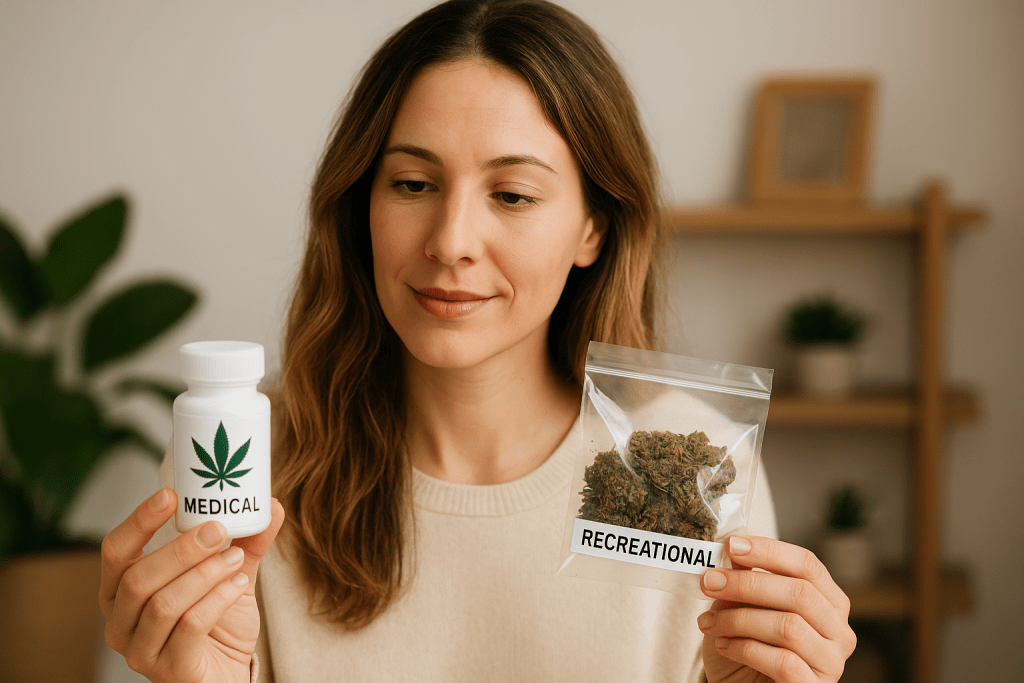
Ever wondered why some people use cannabis to ease pain while others enjoy it just to unwind? Though they come from the same plant, medical and recreational cannabis serve very different purposes. Let’s break down what sets them apart — and why understanding the difference matters. Medical Cannabis Vs Recreational Cannabis Cannabis may come from the same plant, but how and why it’s used can make a big difference. Whether it’s for easing pain or simply unwinding, each type serves a unique purpose. Here’s a quick comparison: How Medical Cannabis Benefits Users More people are turning to medical cannabis for relief that feels both natural and effective. With growing research and better access, it’s becoming a trusted option for managing health and improving quality of life. 1. Natural Relief for Chronic Conditions Medical cannabis helps ease symptoms of chronic pain, arthritis, migraines, and muscle spasms — without relying solely on traditional pharmaceuticals. For many patients, it provides long-term comfort with fewer side effects. 2. Support for Mental Health and Sleep Strains rich in CBD can reduce anxiety, improve mood, and promote better sleep. Patients who struggle with insomnia or PTSD often find that medical cannabis helps them rest and recover more naturally. 3. Reduced Dependency on Opioids Medical cannabis offers a safer alternative for pain management, helping many users cut down on opioid use. This shift not only reduces risks of addiction but also supports a more balanced approach to healing. 4. Doctor-Guided and Regulated Use Unlike recreational use, medical cannabis is prescribed and monitored by licensed professionals. Patients receive tailored recommendations for dosage and strain — ensuring safety, consistency, and better results. 5. Easier and Affordable Access As acceptance grows, getting a medical card has become simple and budget-friendly. At Cheap Med Cards, we help patients access medical cannabis legally and affordably — because everyone deserves reliable care without the high costs. Final Thoughts Whether used for healing or relaxation, cannabis continues to prove its versatility and value. Medical cannabis, in particular, stands out for its safe, doctor-guided use and potential to improve everyday well-being. If you’re considering it for your own health journey, learn how to get your medical card easily and affordably through Cheap Med Cards — and take your first step toward natural relief today. Frequently Asked Questions 1. Is medical cannabis legal in every state? No, laws vary by state. Some states allow both medical and recreational use, while others permit only medical cannabis with specific qualifying conditions. Always check your local regulations before applying for a medical card. 2. Can you travel with medical cannabis? Traveling across state lines with cannabis is generally prohibited, even if both states have legalization laws. It’s best to consume or store your medicine within the state where it was purchased. 3. Do medical cannabis patients pay less in taxes? Yes, in many regions, medical cannabis is taxed at a lower rate than recreational products — making it more affordable for patients who rely on it for treatment. 4. Are there age restrictions for medical cannabis? Yes. Patients under 18 can access medical cannabis only with a caregiver or guardian and a doctor’s certification. Adults 18 and older can apply for a medical card independently. 5. How do I qualify for a medical cannabis card? Qualification depends on your state, but common conditions include chronic pain, anxiety, PTSD, and insomnia. You can check your eligibility and apply online through Cheap Med Cards for a quick, secure evaluation.
Can You Get a PA Medical Cannabis Card for Chronic Pain?
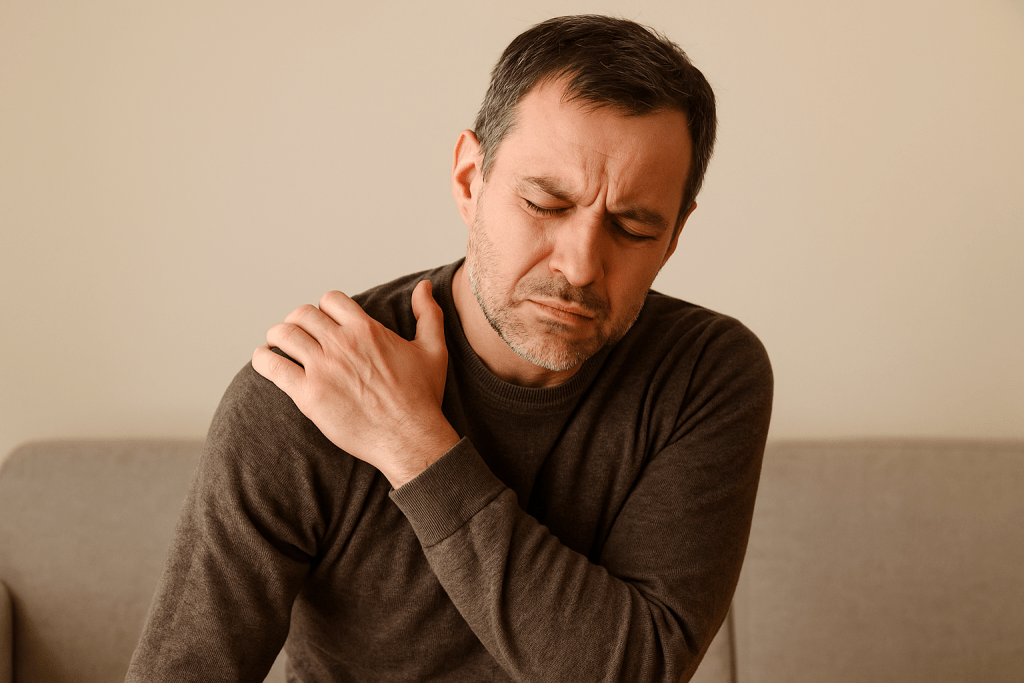
Living with chronic pain can be exhausting — it affects not only your body but your mood, sleep, and overall quality of life. For many Pennsylvanians, the search for relief leads them to wonder if medical cannabis might be an option. The good news is that in Pennsylvania, chronic pain is recognized as a qualifying condition for a medical marijuana card, offering patients a new path toward comfort and better daily living. What is a Medical Cannabis Card? A medical cannabis card is an official identification issued by the state that allows qualified patients to legally purchase and use medical marijuana for approved health conditions. It confirms that a licensed doctor has certified your eligibility and gives you access to dispensaries where you can obtain cannabis products for medical use. Can I Get a PA Medical Cannabis Card for Chronic Pain? Yes. In Pennsylvania, chronic pain is recognized as a qualifying condition for a medical cannabis card. If a certified physician confirms that your pain is severe and resistant to traditional treatments, you can apply for and legally use medical marijuana through the state’s program. How Do I Get Diagnosed for Chronic Pain in Pennsylvania? Getting diagnosed with chronic pain in Pennsylvania involves more than just telling a doctor you’re in pain — it requires medical evaluation and proper documentation. Here’s how the process usually works: 1. Schedule a Medical Evaluation Make an appointment with a licensed physician in Pennsylvania who participates in the state’s medical marijuana program. They’ll review your symptoms, medical history, and any past treatments you’ve tried. 2. Provide Supporting Medical Records Bring any records that show your history of chronic pain, such as test results, prescriptions, imaging scans, or notes from previous doctors. This helps the physician confirm the ongoing nature of your condition. 3. Receive a Physician’s Certification If the doctor determines that your pain meets the state’s definition of chronic and qualifies under the program, they will enter a certification into Pennsylvania’s Medical Marijuana Registry. 4. Complete Your Application Online Once certified, you can finish your application on the state’s registry website, pay the required fee, and wait for your official medical cannabis card to be mailed to you. How to Apply for a PA Med Card Applying for a Pennsylvania medical cannabis card doesn’t have to feel overwhelming. At Cheap Med Cards, we make the process simple and affordable so you can focus on getting the relief you need. Here’s how it works: Cheap Med Cards guides you through every step to ensure you don’t miss anything, making your experience smooth and stress-free. Final Thoughts Living with chronic pain can feel like an uphill battle, but getting a medical cannabis card in Pennsylvania can open the door to real relief and better days ahead. If you’re ready to take the next step, start your application with Cheap Med Cards today and let us help make the process simple. Frequently Asked Questions Do I Need Health Insurance to Get a Medical Cannabis Card in PA? No, you don’t need health insurance to apply for or receive a medical cannabis card in Pennsylvania. The cost of the doctor’s consultation and the state application fee are out-of-pocket expenses. Most insurance providers do not cover medical marijuana services at this time. How Much Does a PA Medical Cannabis Card Cost? The state application fee for a Pennsylvania medical cannabis card is $50, though some patients may qualify for reduced fees through programs like Medicaid, PACE/PACENET, CHIP, SNAP, or WIC. You’ll also need to cover the cost of the doctor’s certification appointment, which varies depending on the provider. How Long Does It Take to Get Approved? Once your doctor submits your certification and you complete the online application, it usually takes about 7–10 business days to receive your medical cannabis card in the mail. Sometimes, your application may face delays if you need to submit additional documentation. Where Can I Use My Medical Cannabis Card? Your card allows you to purchase medical marijuana from any licensed dispensary within Pennsylvania. However, you can only legally use your medication within the state. Federal law still prohibits transporting cannabis across state lines, even if the neighboring state also has a medical marijuana program. How Often Do I Need to Renew My Card? Pennsylvania medical cannabis cards are valid for one year. To keep your access active, you’ll need to renew both your physician’s certification and your state registration annually. Renewal appointments are typically quick since they focus on confirming that your condition is ongoing.
PA Medical Card Renewal Process: 5 Key Steps
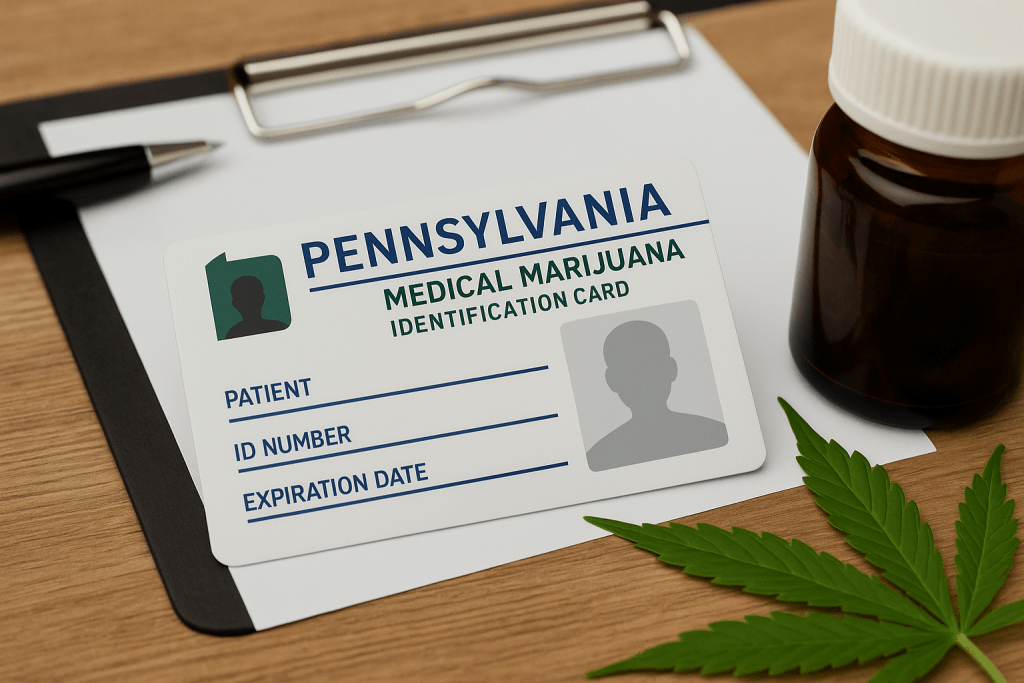
Renewing your Pennsylvania medical card might feel like just another chore on your to-do list, but it doesn’t have to be stressful. Think of it as a quick check-in to keep your access to care uninterrupted. With a few simple steps, you can make sure your card stays up to date and avoid any last-minute headaches. Do I Need to Renew My PA Med Card? Yes — you do need to renew your PA medical marijuana card, as it is only valid for one year. Renewal is important because it ensures you maintain uninterrupted access to your medication without delays or gaps in treatment. Missing your renewal could mean losing legal protection and having to restart the application process, which takes extra time and effort. Med Card Renewal Requirements in Pennsylvania Renewing your medical card in Pennsylvania is a straightforward process, but you’ll need to meet a few basic requirements to keep your access uninterrupted: How to Renew Your PA Medical Card Renewing your Pennsylvania medical card doesn’t have to feel overwhelming — at Cheap Med Cards, we’ve streamlined the process to be fast, affordable, and hassle-free. Here’s exactly how it works: 1. Schedule Your Renewal Appointment Start by booking a renewal appointment through our online platform. The process only takes a few clicks, and you can choose a time that works best for your schedule. We offer flexible same-day and next-day availability so you don’t have to worry about long wait times. 2. Meet With a Licensed Physician During your virtual visit, you’ll connect with a state-approved physician from the comfort of your home. The doctor will review your medical history, discuss your qualifying condition, and answer any questions you may have. The entire consultation usually takes just 10–15 minutes, making it quick and convenient. 3. Receive Physician Certification Once your doctor confirms that you still qualify for the program, they will electronically submit your certification directly to the Pennsylvania Medical Marijuana Program. This is a required step — without this certification, the state won’t process your renewal. With Cheap Med Cards, you can trust that this is handled promptly and securely. 4. Renew Through the State Portal After your certification is submitted, you’ll log in to the Pennsylvania patient portal to finalize your renewal. This includes paying the state’s annual fee and updating any personal information if needed (like your address or ID details). We provide clear instructions to guide you through this step so you don’t get stuck or confused. 5. Get Your Updated Medical Card Once the state processes your renewal, your new medical marijuana card will be mailed directly to you. Having this updated card ensures uninterrupted access to dispensaries and keeps you fully compliant with Pennsylvania law. Renewal Fees to Note for PA Med Cards When renewing your Pennsylvania medical marijuana card, it’s important to know the costs involved so you can plan ahead: Final Thoughts Renewing your PA medical card doesn’t have to be a hassle — with the right steps, you can keep your access to care seamless and stress-free. If your renewal date is coming up, don’t wait until the last minute. Book your appointment with Cheap Med Cards today and make the process quick and easy. Frequently Asked Questions How early should I start the renewal process? It’s best to begin your renewal at least 30 days before your card’s expiration date. This gives you plenty of time to complete your physician appointment, submit your certification, and pay the state fee without worrying about delays. Starting early helps ensure your new card arrives before the old one expires. What happens if my PA medical card expires before I renew? If your card expires, you’ll temporarily lose legal access to purchase medical marijuana in Pennsylvania. You won’t be able to buy from dispensaries until your renewal is approved and your new card is issued. In some cases, you may also need to start the application process over, which takes more time and money. Can I switch doctors during the renewal process? Yes. You’re not required to renew with the same physician you originally used. Many patients choose services like Cheap Med Cards for more affordable fees, faster scheduling, and convenient virtual appointments. As long as the physician is state-approved, your certification will be valid. Will my medical history need to be reviewed again? During your renewal appointment, the physician will do a quick review of your medical history and confirm that your qualifying condition is ongoing. This isn’t a full evaluation from scratch — it’s more of an update to ensure your continued eligibility. How long does it take to get the renewed card in the mail? Once your certification is submitted and your state renewal fee is paid, it typically takes 7–10 business days for your new medical card to arrive by mail. However, timing can vary depending on state processing and mailing speeds, so renewing early is always the safest approach.
Pennsylvania Medical Cannabis Card Cost: 5 Fees to Note
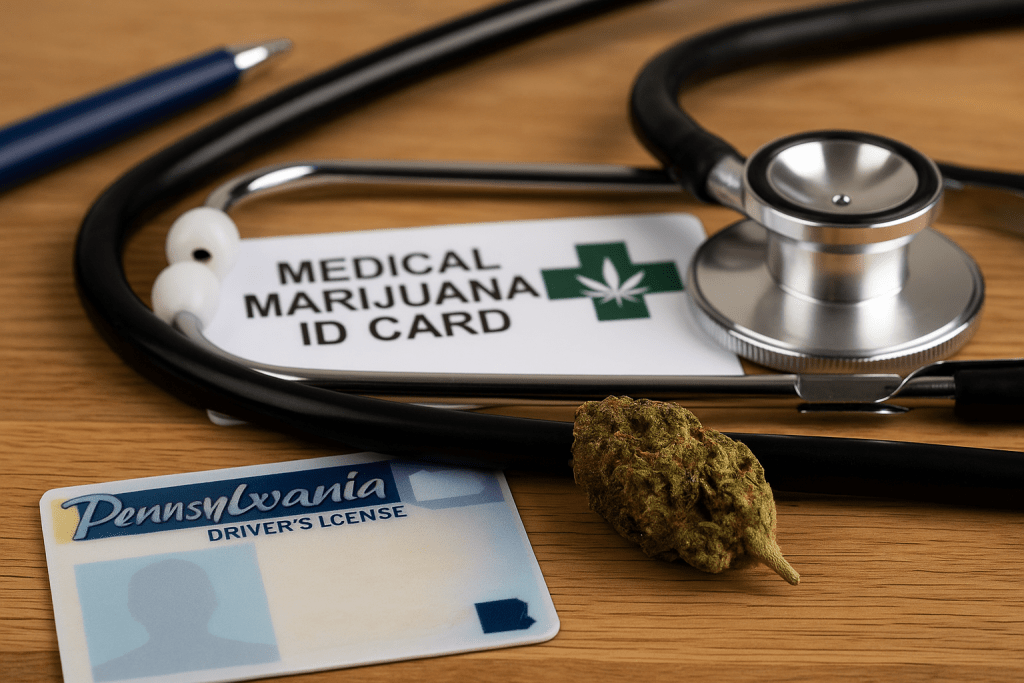
When it comes to medical cannabis in Pennsylvania, one of the first questions people often ask is, “How much will it cost me to get a card?” Between doctor’s visits, state fees, and renewals, the numbers can add up in ways that aren’t always clear at first glance. Is a Pennsylvania Med Card Expensive? No, a Pennsylvania medical card isn’t considered expensive. While costs can vary, especially between providers, the overall process is generally affordable. In fact, if you find the right provider, the price is often much lower than most people expect. Med Card Costs in Pennsylvania Getting a medical cannabis card in Pennsylvania may feel like a hassle, but it’s surprisingly affordable—especially when you know where to look. Below is a quick breakdown of the actual costs involved: Are PA Med Cards Cheaper If I Have a Qualifying Condition? No, having a qualifying condition doesn’t make a Pennsylvania medical card cheaper—the costs remain the same for everyone. The only exception is if you qualify for state assistance programs (like Medicaid or SNAP), which can waive the $50 state fee. How to Process Your Med Card in PA At Cheap Med Cards, we make getting your Pennsylvania medical cannabis card simple and stress-free. Here’s how the process works, step by step: 1. Register with the State Start by creating a profile on the Pennsylvania Medical Marijuana Registry. You’ll need a valid PA driver’s license or state ID. This step generates your patient ID, which you’ll use throughout the process. 2. Schedule Your Doctor’s Evaluation Book an appointment with one of our certified physicians. During this visit, we’ll review your medical history, confirm your qualifying condition, and issue the certification needed for your card—all at one of the most affordable rates in the state. 3. Pay the State Fee Once certified, log back into the state’s portal to pay the required $50 fee (unless you qualify for an assistance program that waives it). This ensures your card is officially issued by the Department of Health. 4. Receive Your Med Card by Mail After payment, the state will print and mail your medical cannabis card directly to your address. Most patients receive their card within 7–10 business days. 5. Access Dispensaries Statewide With your med card in hand, you can legally purchase medical cannabis from any licensed dispensary across Pennsylvania. Our team is always here if you need help with renewals or have questions about staying compliant. Final Thoughts Getting a medical cannabis card in Pennsylvania is simpler and more affordable than many expect. By choosing the right provider and following the steps carefully, you can save both time and money while gaining legal access to dispensaries across the state. If you’re ready to begin, start your Pennsylvania Med Card application today. Frequently Asked Questions How long is a Pennsylvania medical cannabis card valid? A Pennsylvania medical cannabis card is valid for one year from the date it is issued. To keep access active, you’ll need to renew both your physician’s certification and your state registration before the expiration date. Most patients begin the renewal process 30–60 days ahead of time to avoid lapses. Can I use my Pennsylvania medical card in other states? Pennsylvania does not currently allow reciprocity for out-of-state medical cannabis programs, and most states don’t accept PA cards either. However, a few states with more flexible laws may offer temporary visitor access. Always check local regulations before traveling. What happens if my PA med card expires? If your card expires, you’ll lose the legal right to purchase or possess medical cannabis in Pennsylvania until it is renewed. The good news is that you can usually renew online quickly by updating your physician certification and paying the renewal fee through the state portal. Do dispensaries in Pennsylvania offer discounts for patients? Yes. Many dispensaries provide patient discount programs, such as price breaks for veterans, seniors, or patients with financial hardships. Some also run loyalty rewards or first-time patient specials, which can help reduce ongoing costs. Is health insurance accepted for medical cannabis in Pennsylvania? No, health insurance does not cover medical cannabis or the costs associated with getting a med card in Pennsylvania. All doctor visits, state fees, and cannabis purchases must be paid out of pocket.