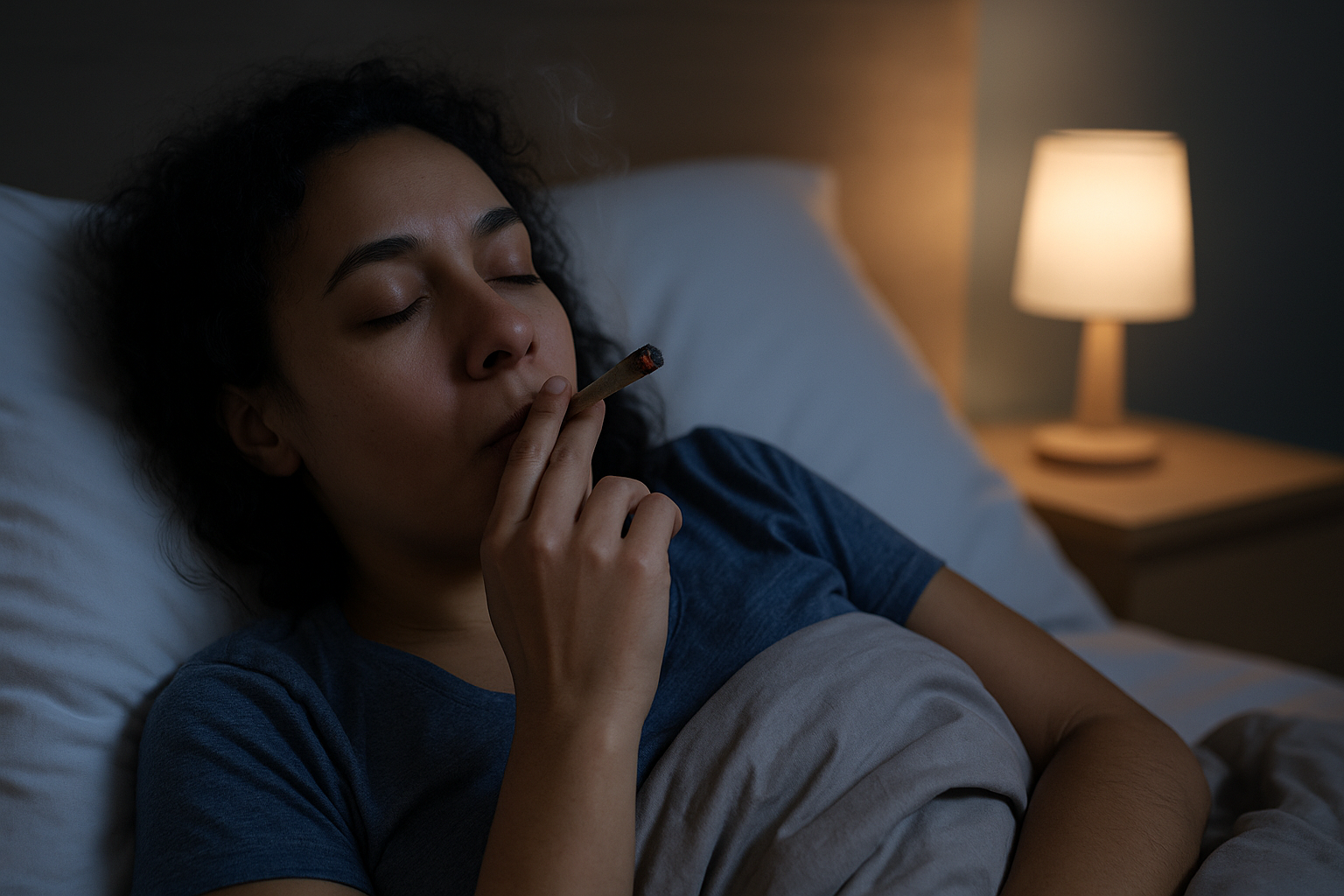
A lot of people use marijuana at night hoping it will finally quiet a racing mind and make sleep come easier. Some wake up feeling rested. Others feel foggy, restless, or still exhausted.
Before reaching for it as a sleep aid, it helps to understand how marijuana can change the way the body falls asleep, stays asleep, and feels the next day.
Can Marijuana Help Me Sleep?
Marijuana can make it easier to fall asleep in the short term, but it can disrupt sleep quality and REM sleep, especially with regular use, and may lead to dependence or grogginess the next day.
How Marijuana Affects Sleep
Marijuana shows up in a lot of nighttime routines now, especially for people who feel wired at bed or stuck in a long stretch of bad sleep. It can feel like a simple fix, but its effects on sleep are more complicated than they seem.
It can shorten the time it takes to fall asleep at first
THC often makes people sleepy and may help them drift off faster in the short term. This is the main reason many users reach for marijuana at night.
It changes sleep stages, especially REM
Research consistently links THC with reduced REM sleep, the stage tied to dreaming, mood balance, and memory processing. Some users notice fewer dreams or less vivid dreaming. Over time, reduced REM may leave sleep feeling less restorative.
Effects differ by compound and dose
THC tends to cause sedation at lower doses but can increase anxiety or alertness at higher doses, which may worsen sleep. CBD looks less sedating overall and may help sleep indirectly by easing anxiety or pain, though results in people stay mixed. Products with different THC to CBD ratios can lead to very different nights.
Tolerance can build with regular use
With frequent nighttime use, the brain adapts. The sleepy effect can fade, leading to higher doses to get the same result. As tolerance rises, people may take longer to fall asleep again or wake more during the night.
Stopping after heavy use can disrupt sleep
When regular users quit, sleep often gets worse for a while. Common effects include insomnia, lighter sleep, and intense dreaming from REM rebound. This withdrawal pattern can pull people back into nightly use.
Delivery method changes the experience
Smoking or vaping hits fast and may help with falling asleep, but it wears off sooner and may not support staying asleep. Edibles take longer to kick in but last longer into the night, which can help some people and leave others groggy the next morning.
It is not a proven treatment for sleep disorders
Major sleep medicine groups say evidence is limited for using cannabis to treat insomnia or other sleep disorders, and they advise caution, especially for conditions like sleep apnea. Many studies are small or vary in product strength and makeup, so results stay hard to generalize.
Some people should avoid using it for sleep
Experts urge extra caution for teens, pregnant or breastfeeding people, and anyone with a history of psychosis, severe anxiety, heart problems, liver disease, or untreated sleep apnea. Marijuana can also interact with common medications, including antidepressants and sleep drugs.
Next day effects matter
Even if someone sleeps longer, marijuana can leave lingering sedation, slower reaction time, or brain fog the next day, especially with higher THC products or edibles. That tradeoff is part of the overall sleep picture.
How to Best Use Cannabis for Sleep
Cannabis can feel like a tempting shortcut on rough nights, but using it for sleep works best with a careful, low-key approach that puts safety and consistency first.
- Start low and go slow: Begin with the smallest THC dose possible and increase only if needed, since higher THC can worsen anxiety and disrupt sleep.
- Favor CBD-heavy or balanced products: CBD or CBD-forward blends may support sleep by easing anxiety or pain without strong next-day effects that come with high THC.
- Time it to match the method: Inhaled cannabis acts fast but fades sooner, while edibles or oils take longer and last deeper into the night, so take them earlier to avoid morning grogginess.
- Use it occasionally, not nightly: Regular use raises tolerance and can make sleep worse over time, leading to higher doses for the same effect.
- Track sleep quality, not just speed: Notice awakenings, dreams, and next-day clarity, since THC can reduce REM sleep and leave sleep feeling less restorative even if falling asleep feels easy.
- Plan for breaks: Taking periodic pauses helps limit tolerance and dependence, and reduces rebound insomnia when stopping.
- Avoid mixing with alcohol or sedatives: Combining substances can worsen breathing, impair coordination, and increase next-day fatigue.
- Skip cannabis for untreated sleep apnea: Sleep medicine groups advise against using cannabis to treat sleep apnea due to limited evidence and delivery issues.
- Check medication and health risks first: Cannabis can interact with SSRIs, sleep meds, and other drugs, and poses higher risk for teens, pregnancy, and people with certain psychiatric or heart conditions.
- Keep the goal bigger than cannabis: Pair use with solid sleep habits like consistent bedtimes, dark rooms, and limited late caffeine, so cannabis stays a support tool rather than the whole plan.
Best Marijuana Products for Sleep Aid
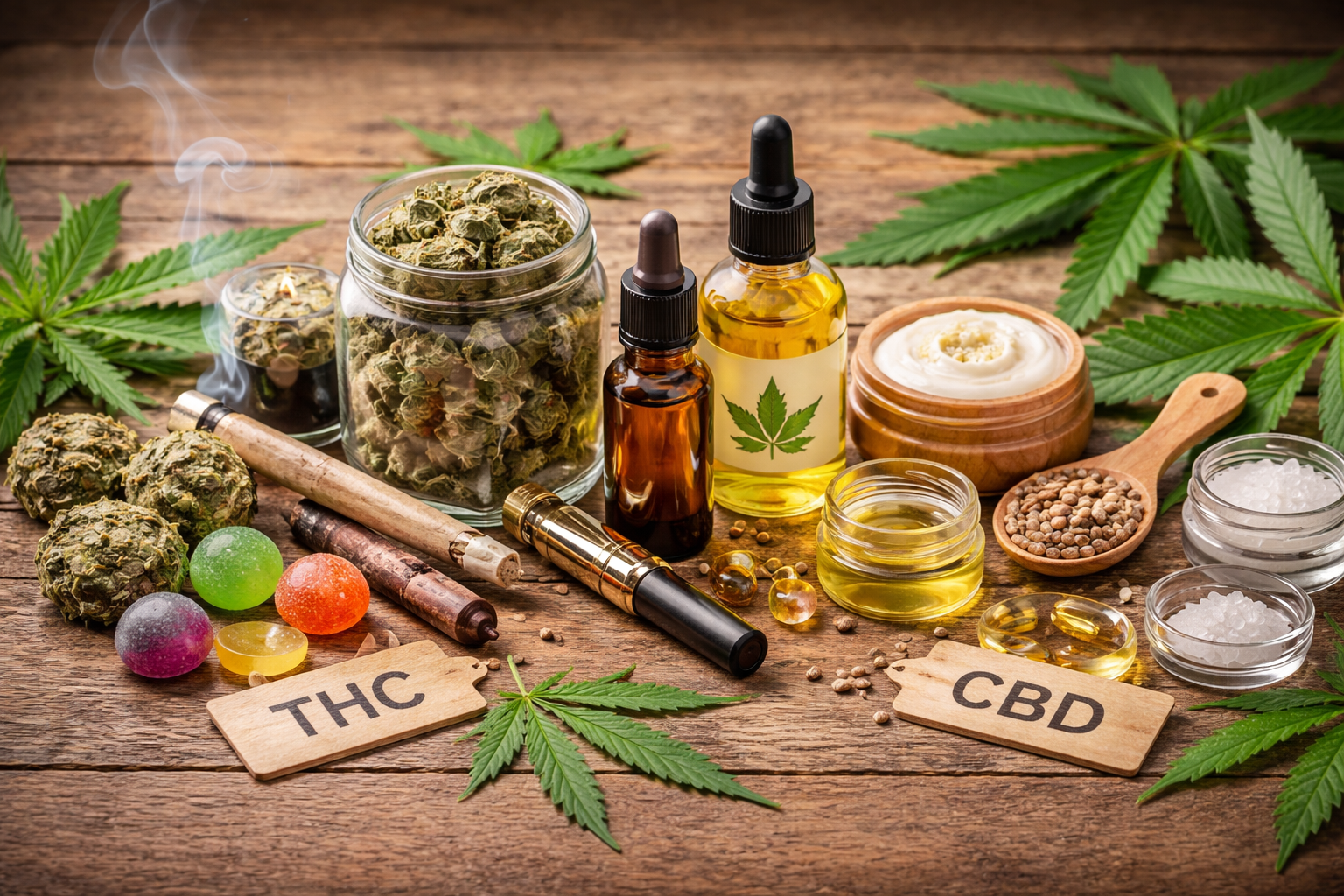
Marijuana sleep products come in a few common forms, and the best pick usually depends on how fast sleep needs to happen, how long support should last, and how sensitive someone is to THC.
- CBN plus THC sleep gummies: Often the most popular option for staying asleep, since CBN is marketed for sedation and small THC amounts can deepen the effect, but evidence is still emerging.
- Balanced THC and CBD gummies: A middle ground for people who want sleep help without a heavy high, since CBD may smooth THC’s edges and reduce next day fog.
- CBD plus CBN gummies with little or no THC: Useful for those avoiding intoxication, with benefits more tied to calming anxiety or discomfort than direct sedation.
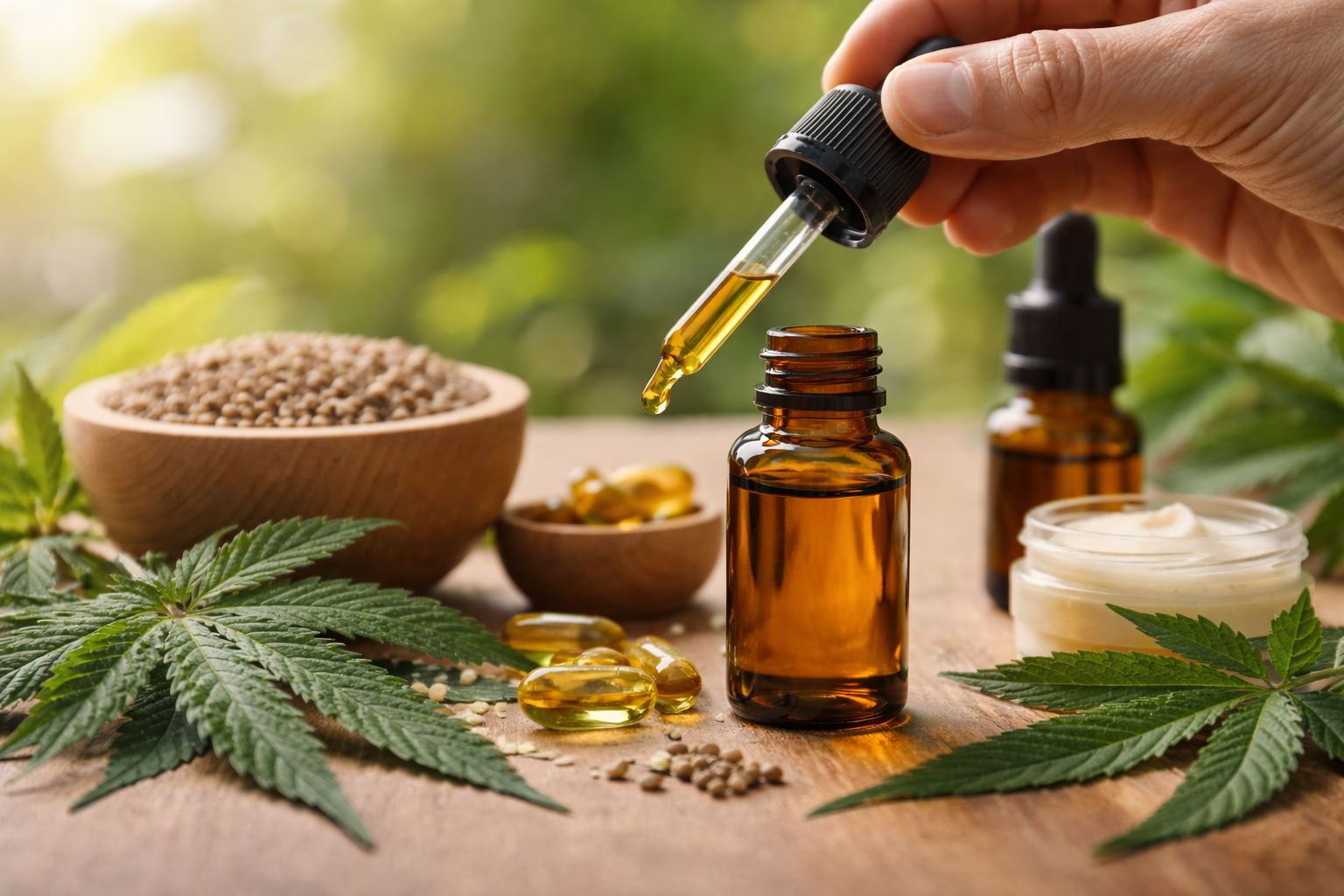
- Nighttime tinctures or oils: Easier to fine tune dose drop by drop, and effects usually last longer than smoking, making them a steady choice for frequent wake ups.
- Low dose THC edibles: Good for falling asleep and staying asleep, but timing matters since onset can take one to two hours and can cause morning grogginess if taken too late.
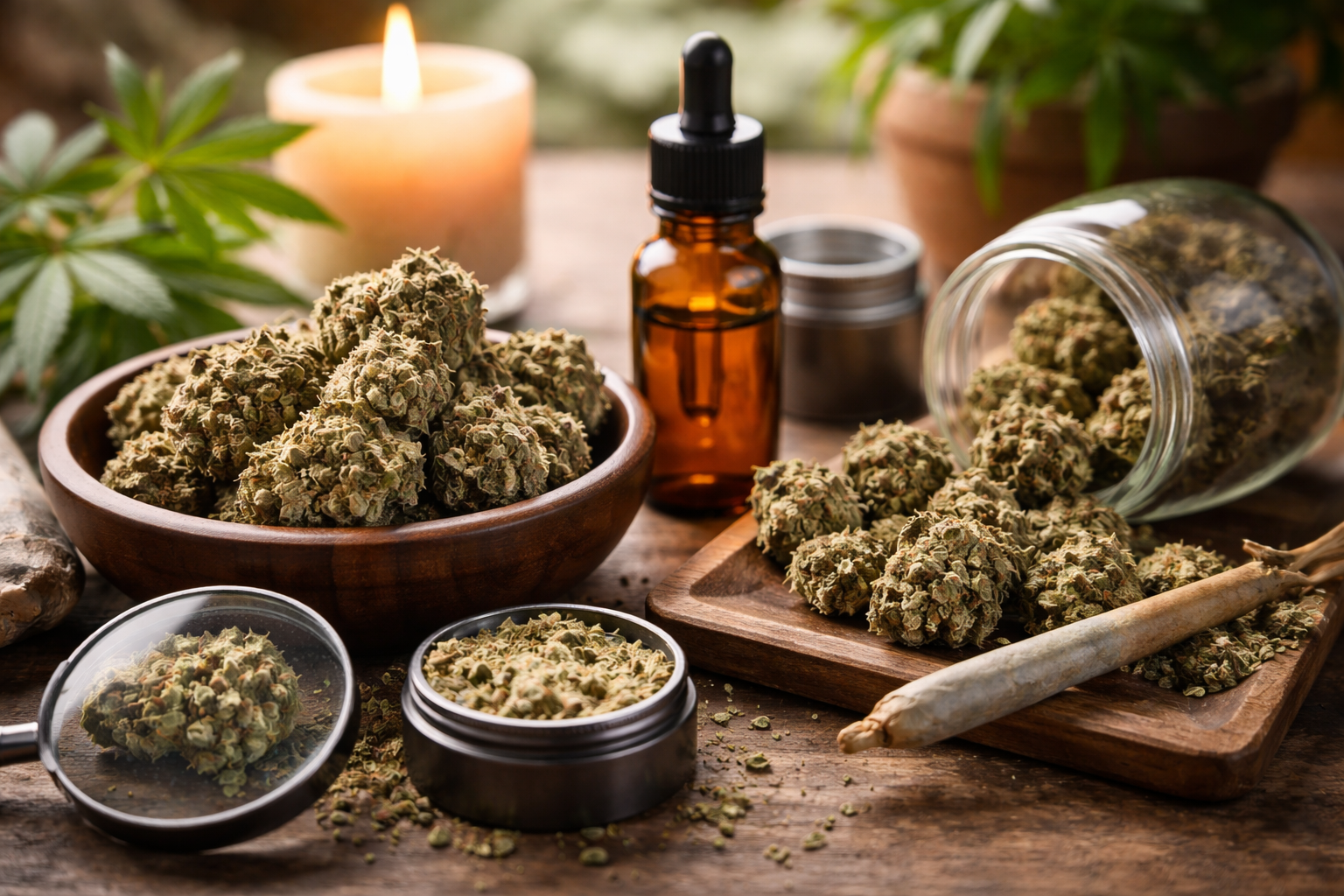
- Vape pens or flower labeled for sleep: Fast acting and helpful for falling asleep quickly, but effects fade sooner and may not prevent middle of the night waking.
- Terpene focused products with myrcene or linalool: Some brands add or highlight relaxing terpenes that may support a calmer wind down, though human data stays limited.
- Products with added melatonin or botanicals: Common in gummies and drinks, and can help some users, but increase the chance of next day sluggishness.
Final Thoughts
Marijuana may help some people fall asleep faster, but long term use can shift sleep quality, dreams, and next day energy in ways that matter. The safest path is to stay informed, start low, and make choices that fit real health needs.
If medical cannabis feels like the right next step, see if you qualify for a low cost med card with Cheap Med Cards and get guided support without the hassle.
Frequently Asked Questions
Does indica vs sativa matter for sleep?
Strain labels do not reliably predict sleep effects. Many products get their relaxing feel from terpene and cannabinoid profiles, not the indica or sativa tag.
How long do sleep effects last?
Inhaled cannabis usually peaks within minutes and fades after two to four hours. Edibles and oils can last six to eight hours or longer, which may help staying asleep but also raise next day grogginess risk.
Can cannabis worsen snoring or breathing at night?
THC can relax airway muscles and may aggravate snoring in some people. Sleep specialists also advise against using cannabis to treat sleep apnea.
What happens to dreaming after stopping cannabis?
Many people notice a burst of vivid dreams or nightmares for a short time after quitting, because REM sleep rebounds.
Can cannabis help sleep during menopause or chronic pain flares?
Some small studies and patient reports suggest benefits when hot flashes, pain, or anxiety keep someone up. Evidence stays limited, so results vary widely across individuals and products.
Does cannabis affect sleep differently in older adults?
Older adults often feel stronger effects from the same dose and may face higher fall risk at night and more next day sedation. Clinicians usually recommend lower starting doses for this group.
Could using cannabis for sleep show up on a drug test?
Yes. THC metabolites can remain detectable for days to weeks depending on dose, frequency, body fat, and test type, even if sleep effects feel short lived.
When should a doctor get involved?
Talk with a clinician if insomnia lasts more than a few weeks, if daytime sleepiness affects safety, or if cannabis use starts to feel needed just to sleep. Medical guidance helps rule out underlying sleep disorders and avoid risky interactions.