Marijuana and IBD: A Potential Treatment Option
Inflammatory Bowel Disease (IBD), encompassing Crohn’s disease and ulcerative colitis, affects millions worldwide, causing chronic inflammation of the digestive tract. Traditional treatments often come with significant side effects. For many, the search for effective and tolerable relief leads them to explore alternative therapies, including medical marijuana. This blog post will delve into the potential benefits of marijuana in managing IBD symptoms and improving patients’ quality of life. We will explore the research behind its use and highlight important considerations for patients interested in this therapeutic avenue. Remember, always consult with your doctor before starting any new treatment, including medical marijuana. For information on obtaining a medical marijuana card, check out our guide on
qualifying conditions for a medical card.
Understanding IBD and its Symptoms
IBD is characterized by persistent inflammation in the gastrointestinal tract. Symptoms vary widely but commonly include abdominal pain, cramping, diarrhea, weight loss, fatigue, and rectal bleeding. The severity and frequency of these symptoms can significantly impact daily life, affecting work, social interactions, and overall well-being. Current treatments, like corticosteroids and immunomodulators, are often effective but can have significant side effects, such as increased risk of infection and bone thinning. For more information on the latest research in medical marijuana, you might find our recent blog post on
a new study about medical marijuana helpful.
How Marijuana Might Help
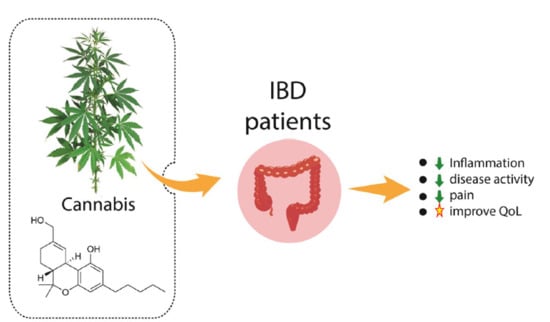
The therapeutic potential of marijuana in IBD lies in its active compounds, cannabinoids, such as THC and CBD. These cannabinoids interact with the body’s endocannabinoid system, which plays a role in regulating inflammation, pain perception, and gut motility. Preclinical studies suggest that cannabinoids may help reduce inflammation in the gut, alleviate pain, and improve bowel movements. Recent research also indicates that CBD may offer additional benefits, due to its anti-inflammatory and analgesic properties, without the psychoactive effects associated with THC. A comprehensive review of CBD’s potential is available on our blog discussing
the revolutionary potential of CBD.
Evidence and Ongoing Research
While promising, research on marijuana’s effectiveness in treating IBD is still in its early stages. Several studies show a positive correlation between cannabis use and reduced IBD symptoms, but more large-scale, controlled clinical trials are needed to confirm these findings definitively. For further reading on ongoing research into the therapeutic uses of cannabis, see our blog post on
additional research into medical cannabis. It’s also important to understand that the efficacy of cannabis can vary greatly depending on the individual and the specific strain used.
Choosing the Right Approach
If you’re considering medical marijuana for IBD, it’s crucial to discuss this option with your doctor. They can help you weigh the potential benefits against the risks, taking your medical history and current treatments into consideration. They can also guide you in choosing the appropriate form of cannabis (e.g., oil, edibles, or vaporization) and dosage. Remember, self-treating can be dangerous, and professional guidance is paramount. Understanding the legal landscape for medical marijuana can be helpful. You can read more on the
updated legislation in Virginia regarding access to medical cannabis, and additional insights on accessing a medical card on our blog on
getting a medical card.
Conclusion
Marijuana shows promise as a potential treatment option for IBD, offering a possible path to relief from debilitating symptoms for those who haven’t found satisfactory results with conventional therapies. However, it’s vital to approach this treatment with caution and under the guidance of a qualified healthcare professional. More research is needed to fully understand its efficacy and long-term effects, but early indications suggest that marijuana may have a significant role to play in managing IBD in the future. Always consult with your doctor before making any decisions regarding your healthcare.