
Unlocking Relief: How Medical Marijuana Can Help Patients with Trigeminal Neuralgia
Trigeminal neuralgia (TN), often described as the “suicide disease” due to its excruciating pain, is a chronic condition affecting the trigeminal nerve, which carries sensation from your face to your brain. The sudden, shock-like facial pain can be debilitating, significantly impacting a patient’s quality of life. While conventional treatments like medications and surgery exist, many individuals seek alternative or complementary therapies to manage their symptoms. Medical marijuana is emerging as a potential option for some patients, offering a different approach to pain relief.
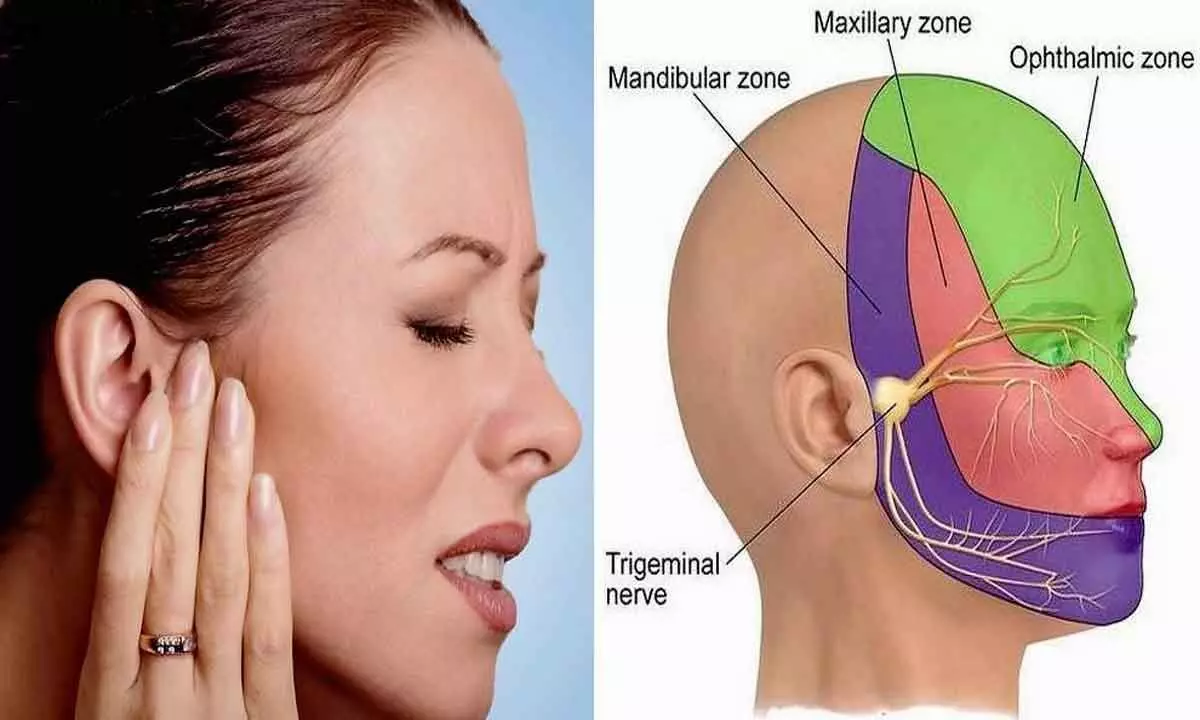
Understanding Trigeminal Neuralgia and Its Challenges
The hallmark of trigeminal neuralgia is intense, stabbing, or electric shock-like pain that typically occurs on one side of the face. These episodes can be triggered by seemingly minor stimuli such as touching the face, eating, speaking, or even a gentle breeze. The unpredictable nature and severity of the pain can lead to anxiety, depression, and social isolation. Traditional pain medications often provide inadequate relief or come with significant side effects, prompting patients to explore other avenues for managing their condition.
The Endocannabinoid System and Pain Modulation
To understand how medical marijuana might help with trigeminal neuralgia, it’s crucial to grasp the role of the endocannabinoid system (ECS) in the body. The ECS is a complex network of receptors, endocannabinoids (naturally produced cannabis-like molecules), and enzymes that helps regulate various physiological processes, including pain perception, inflammation, and immune response. Cannabinoids found in marijuana, such as tetrahydrocannabinol (THC) and cannabidiol (CBD), can interact with the ECS receptors, potentially influencing these processes. You might find it interesting to learn more about the revolutionary potential of CBD and how it interacts with our bodies.
How Medical Marijuana May Offer Relief for Trigeminal Neuralgia
While research specifically on medical marijuana and trigeminal neuralgia is still evolving, preliminary evidence and anecdotal reports suggest several ways cannabis might provide relief:
- Pain Reduction: THC, in particular, has analgesic (pain-relieving) properties. By interacting with cannabinoid receptors in the nervous system, it may help to reduce the intensity of the nerve pain associated with TN. This aligns with the broader understanding of how marijuana helps with pain in various conditions.
- Anti-inflammatory Effects: Inflammation is believed to play a role in some cases of trigeminal neuralgia. CBD, known for its anti-inflammatory properties, may help to reduce inflammation around the trigeminal nerve, potentially alleviating pain.
- Muscle Relaxation: Muscle spasms in the face can sometimes accompany trigeminal neuralgia. Certain cannabinoids may have muscle-relaxant effects, which could provide additional comfort.
- Improved Sleep and Reduced Anxiety: The chronic pain of TN can often lead to sleep disturbances and anxiety. Medical marijuana may help improve sleep quality and reduce anxiety levels, indirectly contributing to better pain management and overall well-being. You can explore more about the potential of medical marijuana for easing symptoms of depression and anxiety on our blog.
Important Considerations and Responsible Use
It is crucial for individuals with trigeminal neuralgia considering medical marijuana to consult with their neurologist or pain management specialist. They can provide guidance on whether medical cannabis is a suitable option based on individual health history, current medications, and the severity of the condition. If medical marijuana is deemed appropriate, obtaining a medical marijuana card is the first step. Our blog post on qualifying conditions for a medical card provides valuable information on this process.
Navigating Medical Marijuana Treatment
If you are considering medical marijuana for trigeminal neuralgia, keep the following in mind:
- Start Low and Go Slow: Begin with low doses and gradually increase as needed and tolerated, under the guidance of your healthcare provider.
- Explore Different Consumption Methods: Medical marijuana can be consumed in various forms, including oils, tinctures, edibles, and vaporizers. The onset and duration of effects can vary depending on the method. For instance, smoking versus edibles have different pharmacokinetic profiles.
- Be Aware of Potential Side Effects: Like any medication, medical marijuana can have side effects, such as drowsiness, dizziness, dry mouth, and changes in mood or cognition. Discuss potential side effects with your doctor.
- Monitor Your Symptoms: Keep a detailed record of your pain levels, medication use, and any effects experienced with medical marijuana. This information will help you and your doctor assess the effectiveness of the treatment.
Conclusion: A Promising Avenue for Trigeminal Neuralgia Relief
While not a cure, medical marijuana holds promise as a potential therapeutic option for some individuals struggling with the debilitating pain of trigeminal neuralgia. Its interaction with the body’s endocannabinoid system offers a unique approach to pain management and inflammation. However, it is essential to approach medical marijuana with caution, under the guidance of a healthcare professional, and in compliance with local regulations. As research continues to evolve, medical cannabis may become an increasingly recognized tool in the multidisciplinary management of this challenging condition. If you believe medical marijuana could be beneficial for you, take the first step and explore the possibility of obtaining a medical marijuana card in your state.