Benefits of Using CBD for Addiction Recovery: A Natural Path to Healing
Addiction recovery is a challenging journey that requires a multifaceted approach, often combining therapy, support groups, and medical interventions. In recent years, Cannabidiol (CBD), a non-psychoactive compound derived from the cannabis plant, has emerged as a promising tool to support individuals recovering from substance use disorders. From reducing cravings to managing withdrawal symptoms, CBD offers a natural, holistic option for those seeking to break free from addiction. In this comprehensive guide, we explore the key benefits of using CBD for addiction recovery, backed by emerging research and practical insights. For a broader perspective on CBD’s therapeutic potential, dive into our blog on CBD’s role in modern medicine.
How CBD Supports Addiction Recovery
CBD interacts with the body’s endocannabinoid system, which regulates mood, stress, and reward pathways—key factors in addiction. Unlike THC, CBD does not produce a “high,” making it a safe option for individuals in recovery who want to avoid psychoactive effects. Research, such as studies published by the National Institutes of Health, suggests that CBD may help modulate brain circuits involved in addiction, offering a unique approach to recovery. Let’s explore the specific ways CBD can make a difference.
Reducing Cravings and Relapse Triggers
One of the biggest hurdles in addiction recovery is managing cravings, which can lead to relapse. CBD has shown promise in reducing the intensity of cravings for substances like opioids, alcohol, and nicotine. A 2019 study in the *American Journal of Psychiatry* found that CBD reduced cue-induced cravings in individuals with heroin use disorder, suggesting its potential to disrupt the reward-seeking behavior tied to addiction. By calming the brain’s reward system, CBD helps individuals stay focused on their recovery goals. For more on managing mental health challenges in recovery, check out our blog on cannabis and PTSD.
Easing Withdrawal Symptoms
Withdrawal symptoms, such as anxiety, insomnia, nausea, and irritability, can make early recovery feel overwhelming. CBD’s anxiolytic and anti-inflammatory properties can help alleviate these symptoms, making the detox process more manageable. For example, CBD may improve sleep quality and reduce anxiety, which are common barriers during withdrawal from substances like alcohol or benzodiazepines. This natural approach can complement other treatments, providing relief without the risk of dependency. To explore how CBD compares to other symptom-relief options, read our guide on the benefits of marijuana for pain.
Managing Anxiety and Stress
Stress and anxiety are major triggers for relapse, as many individuals turn to substances to cope with emotional distress. CBD’s calming effects on the nervous system can help reduce anxiety and promote emotional balance, offering a healthier way to manage stress. Studies, such as those reviewed by the Frontiers in Psychiatry, indicate that CBD may modulate serotonin receptors, similar to some anti-anxiety medications, but without the side effects. This makes CBD a valuable tool for individuals rebuilding their lives in recovery. For more on mental health support, our blog on medical marijuana and depression offers additional insights.
Additional Benefits of CBD in Recovery
Beyond addressing cravings and withdrawal, CBD offers a range of benefits that support long-term recovery and overall well-being. Here are some key advantages:
- Neuroprotection: Addiction can cause long-term changes in brain function, particularly in areas related to decision-making and impulse control. CBD’s neuroprotective properties may help repair and protect neural pathways, supporting cognitive recovery.
- Improved Sleep: Quality sleep is critical for healing, yet many in recovery struggle with insomnia. CBD can promote restful sleep by regulating the sleep-wake cycle, helping individuals feel refreshed and focused.
- Non-Addictive Nature: Unlike many medications used in addiction treatment, CBD has a low risk of dependency, making it a safe long-term option for recovery support.
These benefits make CBD a versatile ally in the recovery process. For a deeper look at CBD’s safety profile, our blog on CBD oil for Alzheimer’s patients discusses its non-psychoactive properties in medical contexts.
Supporting Co-Occurring Mental Health Conditions
Many individuals with substance use disorders also struggle with co-occurring mental health conditions, such as depression or PTSD, which can complicate recovery. CBD’s ability to address symptoms of these conditions—such as low mood, intrusive thoughts, or hyperarousal—makes it a valuable adjunct therapy. For instance, CBD may help stabilize mood in those with depression, complementing traditional treatments like therapy or medication. To learn more about cannabis for mental health, explore our blog on medical cannabis and mental health.
How to Use CBD for Addiction Recovery
Incorporating CBD into an addiction recovery plan requires careful consideration of dosage, product type, and professional guidance. Here are some practical tips:
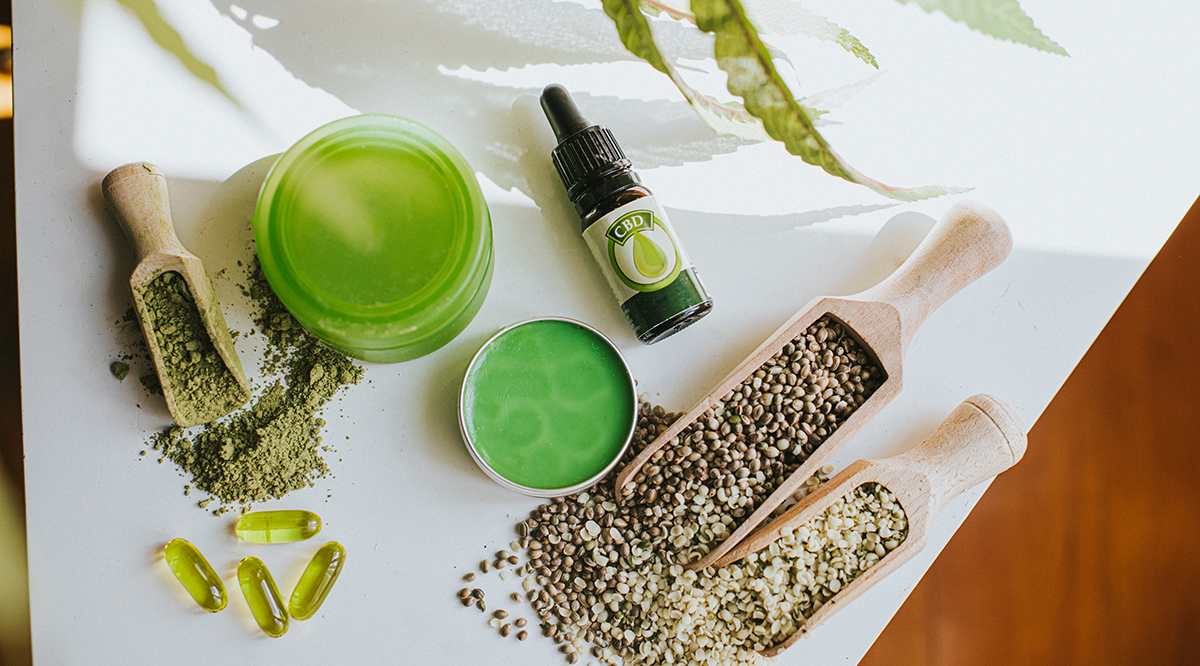
- Choose the Right Product: CBD is available in various forms, including tinctures, capsules, edibles, and vapes. Tinctures offer precise dosing, while edibles provide longer-lasting effects, ideal for managing cravings throughout the day.
- Start with a Low Dose: Begin with a low dose (e.g., 5-10 mg daily) and gradually increase based on your body’s response. Consult a healthcare provider to find the optimal dose for your needs.
- Work with a Professional: A doctor or addiction specialist can help integrate CBD into your recovery plan, ensuring it complements other treatments. For help finding a cannabis-savvy doctor, see our guide on finding a marijuana doctor online.
- Purchase Quality Products: Opt for lab-tested CBD from reputable suppliers to ensure purity and potency. Look for third-party lab reports to verify the absence of THC or contaminants.
By following these steps, you can safely and effectively incorporate CBD into your recovery journey. For more on sourcing quality cannabis products, our blog on the benefits of affordable cannabis offers practical advice.
Challenges and Considerations
While CBD holds great promise, there are a few considerations to keep in mind. Research on CBD for addiction is still emerging, and results may vary depending on the individual and substance involved. CBD is not a cure for addiction and should be used as part of a comprehensive recovery plan that includes therapy and support systems. Additionally, the unregulated CBD market means some products may lack quality or consistency, so choosing reputable suppliers is critical. Finally, consult a healthcare provider before starting CBD, especially if you’re taking medications, as CBD can interact with certain drugs.
Conclusion: Embrace CBD as a Tool for Addiction Recovery
CBD offers a natural, non-addictive option for supporting addiction recovery, with benefits ranging from reduced cravings and withdrawal symptoms to improved mental health and sleep. By addressing both the physical and emotional challenges of recovery, CBD empowers individuals to rebuild their lives with greater resilience and hope. Whether you’re in early recovery or seeking long-term support, CBD can be a valuable addition to your wellness toolkit. Ready to explore CBD’s potential? Contact our team today to learn more about high-quality CBD products and how they can support your journey to lasting recovery.