Qualifying Conditions for Medical Marijuana: A Comprehensive Guide
Medical marijuana has gained widespread recognition for its therapeutic potential in treating various health conditions. However, access to medical cannabis is regulated, and patients must meet specific qualifying conditions to obtain a medical marijuana card. Understanding these conditions is crucial for those seeking alternative treatments. In this guide, we’ll explore the most common qualifying conditions, state-specific variations, and how medical cannabis can provide relief.
What Are Qualifying Conditions for Medical Marijuana?
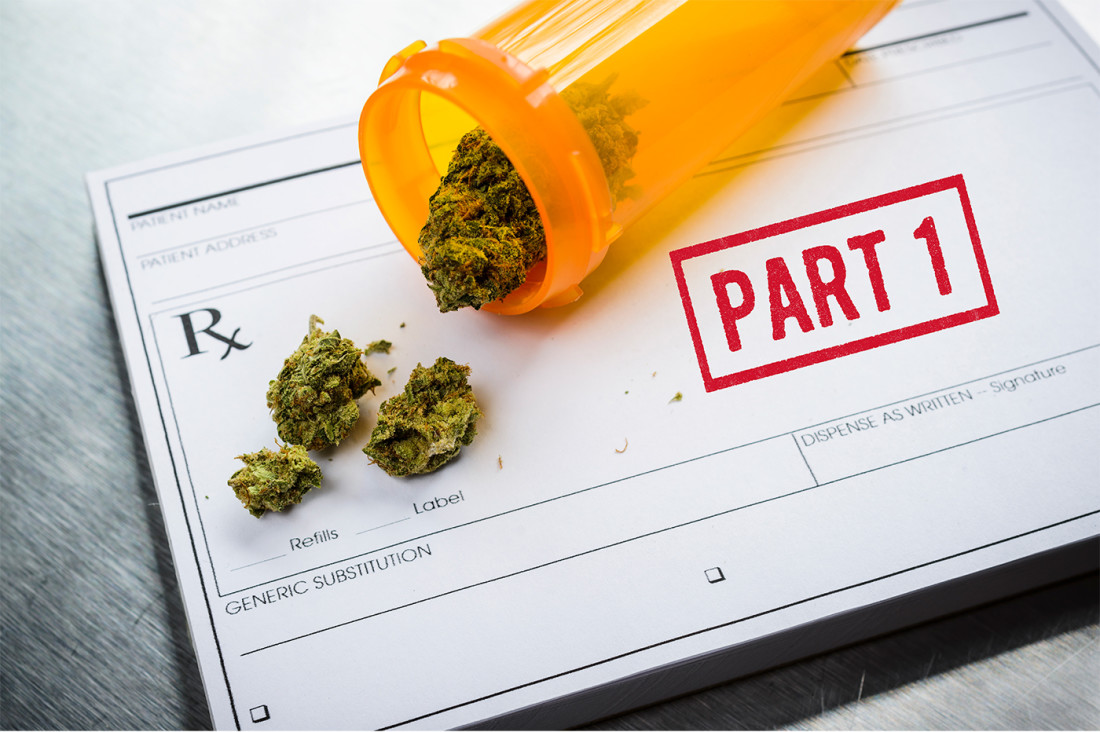
Qualifying conditions are medical diagnoses that make a patient eligible for a medical marijuana card. These conditions vary by state, as each state’s medical cannabis program has its own list of approved ailments. Generally, they include chronic, debilitating, or life-threatening illnesses where traditional treatments have failed or caused severe side effects.
Common Qualifying Conditions Across States
While each state has its own regulations, several conditions are widely recognized for medical marijuana use:
- Chronic Pain – One of the most common reasons patients seek medical cannabis, especially when opioids are ineffective or risky.
- Cancer – Cannabis can help alleviate chemotherapy-induced nausea, pain, and appetite loss.
- Epilepsy and Seizure Disorders – Studies suggest CBD-rich cannabis can reduce seizure frequency.
- Multiple Sclerosis (MS) – Muscle spasms and neuropathic pain are often managed with medical marijuana.
- HIV/AIDS – Helps with wasting syndrome, pain, and nausea.
- Glaucoma – Some patients find relief from intraocular pressure.
- PTSD (Post-Traumatic Stress Disorder) – Cannabis may help manage anxiety and sleep disturbances.
For a deeper dive into how medical marijuana helps with specific conditions like
epilepsy or
PTSD, explore our related articles.
State-Specific Qualifying Conditions
Medical marijuana laws differ significantly by state. Some states have restrictive lists, while others allow physicians to recommend cannabis for any debilitating condition. Here’s a look at how different states approach qualifying conditions:
Florida’s Medical Marijuana Program
Florida has a defined list of qualifying conditions, including
Crohn’s disease, Parkinson’s, and ALS. The state also allows for terminal conditions diagnosed by a physician.
Virginia’s Expanding Eligibility
Virginia’s program includes chronic pain, cancer, and
recently added conditions like anxiety and migraines.
West Virginia’s Strict Guidelines
West Virginia permits medical cannabis for severe conditions such as
sickle cell anemia and spinal cord damage.
If you’re unsure whether your condition qualifies, check your state’s
medical marijuana laws or consult a licensed physician.
How to Get Certified for Medical Marijuana
Once you’ve confirmed that your condition qualifies, the next step is obtaining a medical marijuana card. The process typically involves:
- Medical Records Review – A licensed physician must verify your condition.
- Doctor’s Recommendation – Some states require an in-person or online evaluation.
- State Application – Submit your application with the required fees.
For example, in
Virginia, patients must register with the state’s Board of Pharmacy after receiving a doctor’s approval.
Why Medical Marijuana Over Recreational Use?
Even in states where recreational cannabis is legal, a medical marijuana card offers advantages:
- Lower Costs – Medical cannabis is often taxed less than recreational products.
- Higher Purchase Limits – Patients can buy more cannabis than recreational users.
- Access to Stronger Products – Some states allow higher THC limits for medical patients.
- Legal Protections – Employers and landlords may have different policies for medical users.
Learn more about the
benefits of holding a medical card in recreational states.
Emerging Research on New Qualifying Conditions
As cannabis research advances, more conditions are being considered for medical marijuana eligibility. Recent studies explore its potential for:
- Autism Spectrum Disorder (ASD) – Some states now include severe autism.
- Opioid Use Disorder – Cannabis may help reduce dependency.
- Long COVID – Early research suggests benefits for fatigue and pain.
For the latest updates on qualifying conditions, follow our
blog or check resources like the
National Institutes of Health.
Conclusion
Medical marijuana offers hope for patients with chronic and debilitating conditions, but eligibility depends on state-specific regulations. Whether you’re dealing with chronic pain, epilepsy, or PTSD, understanding your state’s qualifying conditions is the first step toward legal access. If you’re considering medical cannabis, consult a licensed physician and review your state’s requirements. For more guidance, explore our
step-by-step guide on obtaining a medical marijuana card.
For more information on specific conditions please visit :