
Understanding the Medical Marijuana Program: A Comprehensive Guide
Medical marijuana has gained significant recognition for its therapeutic benefits in treating various health conditions. With more states legalizing its use, understanding how the Medical Marijuana Program works is essential for patients seeking alternative treatment options. This guide will walk you through the eligibility criteria, application process, benefits, and legal considerations of enrolling in a state-approved medical cannabis program.
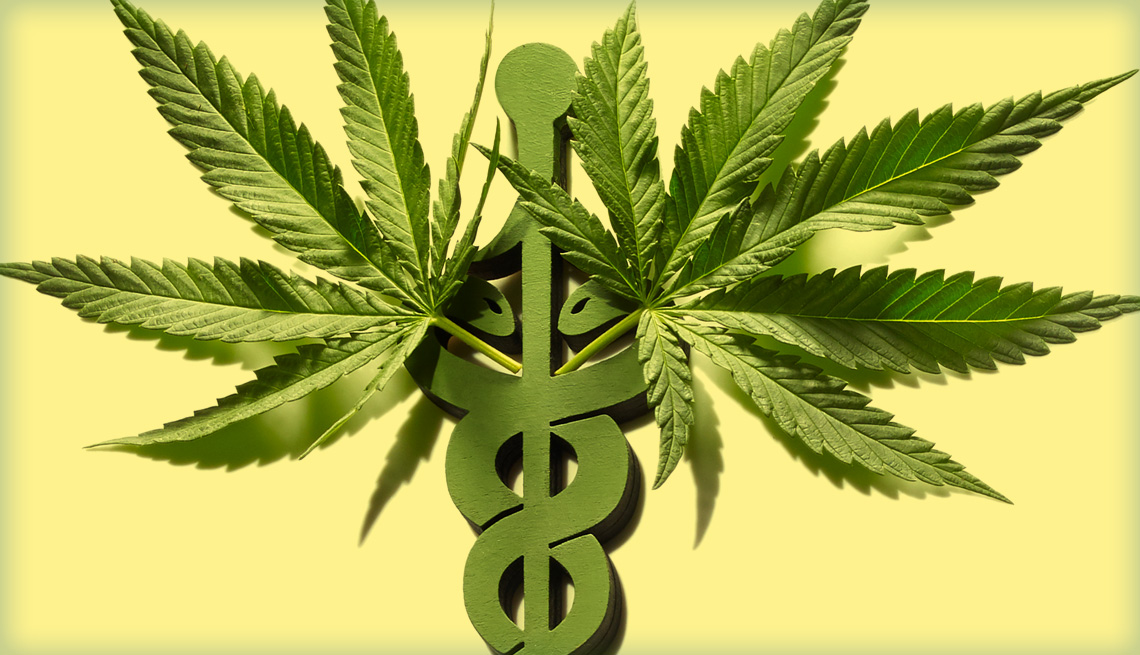
What Is a Medical Marijuana Program?
A Medical Marijuana Program (MMP) is a state-regulated system that allows patients with qualifying medical conditions to legally obtain and use cannabis for therapeutic purposes. These programs are designed to ensure safe access to medical cannabis while maintaining regulatory oversight to prevent misuse.
Each state has its own set of rules, but most programs require patients to obtain a medical marijuana card after receiving a recommendation from a licensed healthcare provider.
Key Components of a Medical Marijuana Program
- Qualifying Conditions: States define specific health conditions that make a patient eligible for medical cannabis, such as chronic pain, epilepsy, or PTSD.
- Physician Certification: A licensed doctor must evaluate the patient and confirm that medical marijuana could be beneficial.
- Patient Registration: Applicants must submit documentation to the state health department for approval.
- Dispensary Access: Approved patients can purchase cannabis from licensed dispensaries.
Who Qualifies for a Medical Marijuana Card?
Eligibility requirements vary by state, but most programs consider the following factors:
- Diagnosis of a qualifying medical condition (e.g., cancer, multiple sclerosis, or Crohn’s disease).
- Residency in the state where the application is being submitted.
- A valid recommendation from a certified physician.
Some states also allow minors to participate in the program with parental consent and additional medical approvals.
How to Apply for a Medical Marijuana Card
The application process typically involves these steps:
- Consultation with a Doctor: Schedule an appointment with a healthcare provider registered with the state’s medical marijuana program.
- Submission of Medical Records: Provide documentation supporting your diagnosis.
- State Application: Complete the required forms and pay any applicable fees.
- Approval & Card Issuance: Once approved, you’ll receive your medical marijuana card, allowing legal purchases from dispensaries.
For a detailed breakdown of your state’s process, check out this state-specific guide.
Benefits of Enrolling in a Medical Marijuana Program
Participating in an MMP offers several advantages over recreational cannabis use:
- Legal Protection: Medical cannabis patients are shielded from state prosecution for possession within legal limits.
- Lower Costs: Many states impose lower taxes on medical marijuana compared to recreational products.
- Higher Purchase Limits: Medical patients often have access to larger quantities of cannabis.
- Access to Stronger Strains: Some dispensaries reserve high-potency products exclusively for medical users.
Potential Risks and Considerations
While medical marijuana provides relief for many, it’s important to be aware of potential side effects such as dizziness, dry mouth, or interactions with other medications. Consulting with a healthcare provider before starting treatment is crucial.
State-by-State Variations in Medical Marijuana Laws
Medical marijuana regulations differ widely across the U.S. Some states have expansive programs with numerous qualifying conditions, while others maintain strict limitations. For example:
- California: One of the most lenient programs, allowing cannabis for a broad range of conditions.
- Texas: Only permits low-THC cannabis for a limited number of conditions.
Staying informed about your state’s laws ensures compliance and maximizes the benefits of the program.
Conclusion
The Medical Marijuana Program provides a legal pathway for patients to access cannabis as a treatment option. From understanding eligibility to navigating the application process, being well-informed helps you make the best decisions for your health. If you believe medical cannabis could benefit you, consult a qualified physician and explore your state’s program guidelines today.
For more insights on medical cannabis, visit our resources page or check out the latest research on NIH’s official website.
Marijuana Program By State:
- Arkansas – Medical Marijuana Program
- Connecticut Medical Marijuana Program (CT MMP)
- Delaware Medical Marijuana Program
- Florida Medical Marijuana Program
- Illinois Medical Cannabis Patient Program
- Maine Medical Marijuana Program
- Minnesota (MN) Medical Cannabis Program Registration
- New Mexico Medical Cannabis Program
- New York State (NYS) Medical Marijuana Program
- Pennsylvania Medical Marijuana Program
- The Arizona (AZ) Medical Cannabis Program
- The Kentucky Medical Cannabis Program: A Complete Guide
- The Louisiana Medical Marijuana Program
- The Michigan Medical Marijuana Program (MMMP)
- The Rhode Island Medical Marijuana Program
- The Texas Compassionate Use Program (CUP)
- The Virginia Medical Cannabis Program: A Complete Guide
- Understanding the Montana Medical Marijuana Program
- West Virginia Medical Marijuana Program (WV MMP)