
Exploring Medical Marijuana for Hepatitis C Treatment Side Effects
Living with Hepatitis C (HCV) can present numerous challenges, not just from the virus itself but also from the side effects of its treatment. While antiviral medications have significantly improved outcomes for HCV, many individuals still experience debilitating symptoms like nausea, fatigue, pain, and loss of appetite. For some, conventional remedies offer limited relief, leading them to explore alternative options. Medical marijuana is emerging as a potential complementary therapy that may help manage some of these challenging side effects. If you’re considering this route, understanding the process of qualifying for a medical marijuana card is the first step.
Understanding Hepatitis C and its Treatment Side Effects
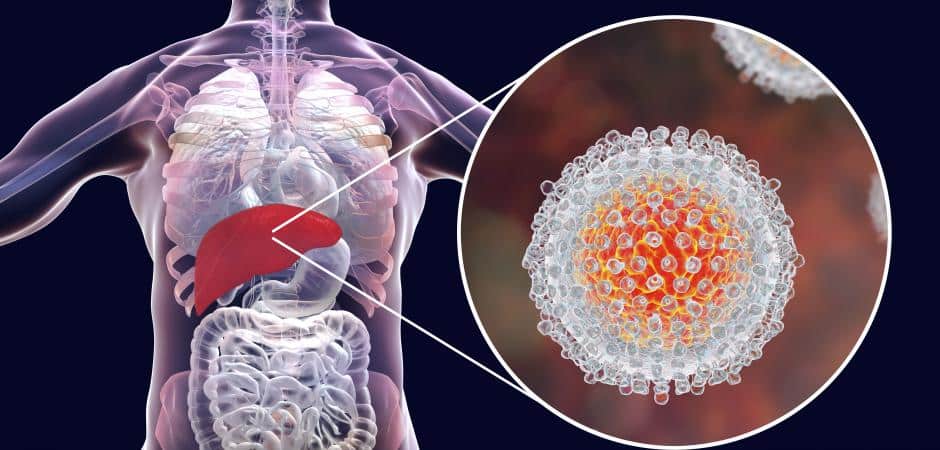
Hepatitis C is a viral infection that primarily affects the liver. Over time, chronic HCV can lead to serious liver damage. Antiviral treatments aim to eradicate the virus, but they can come with their own set of adverse effects. Common side effects include:
- Nausea and vomiting
- Severe fatigue and weakness
- Muscle and joint pain
- Loss of appetite and weight loss
- Insomnia
- Depression and anxiety
These symptoms can significantly impact a patient’s quality of life, making it difficult to adhere to the prescribed treatment regimen. Finding effective ways to manage these side effects is crucial for successful HCV therapy and overall well-being.
How Medical Marijuana May Offer Relief
Cannabis contains various compounds known as cannabinoids, with the most well-known being THC (tetrahydrocannabinol) and CBD (cannabidiol). These cannabinoids interact with the body’s endocannabinoid system, a complex network of receptors that plays a role in regulating various physiological processes, including pain perception, appetite, mood, and sleep. As discussed in our blog on why more people are using medical marijuana, its therapeutic potential is being increasingly recognized.
Managing Nausea and Vomiting
THC, in particular, has shown promise in its antiemetic properties. It can help reduce nausea and vomiting, which are common and distressing side effects of many HCV treatments. For individuals struggling with this, exploring different consumption methods, as highlighted in our article on smoking vs. edibles, might be beneficial to find the most effective and tolerable option.
Alleviating Pain and Inflammation
Chronic pain, including muscle and joint pain, is another significant challenge for individuals undergoing HCV treatment. Both THC and CBD possess analgesic and anti-inflammatory properties that may help alleviate these types of pain. Our blog post on understanding how marijuana helps with pain provides further insights into this aspect.
Stimulating Appetite and Combating Weight Loss
Loss of appetite and subsequent weight loss can be serious concerns for HCV patients. THC has been known to stimulate appetite, often referred to as the “munchies.” This effect can be beneficial in helping patients maintain a healthy weight and nutritional intake during their treatment. You can learn more about the general benefits of cannabis in our article discussing the benefits of cannabis for various conditions.
Improving Sleep Quality
Insomnia is another common complaint among individuals with HCV and those undergoing treatment. Certain cannabis strains, particularly those with higher levels of THC or specific terpenes, may help improve sleep quality by reducing anxiety and promoting relaxation. Exploring different strains and their effects, as discussed in our other blog posts, could be helpful in finding a suitable option for sleep.
Addressing Mood Disorders
Depression and anxiety can often accompany chronic illnesses like Hepatitis C. While medical marijuana is not a direct treatment for these conditions, some patients report a sense of improved mood and reduced anxiety with its use. It’s crucial to discuss any mental health concerns with a healthcare professional, as outlined in our article on medical cannabis for mental health, to ensure a comprehensive approach to care.
Important Considerations and Disclaimer
It is essential to understand that medical marijuana is not a cure for Hepatitis C. It is being explored as a potential way to manage some of the side effects associated with the virus and its treatment. The effectiveness of medical marijuana can vary significantly from person to person, and research in this specific area is ongoing. Furthermore, the legal status of medical marijuana varies depending on location. If you are in Virginia, for example, it’s important to be aware of the updated legislation for medical marijuana access to ensure you are compliant with the law. Always consult with your treating physician before considering medical marijuana to discuss potential interactions with your current medications and to determine if it is a suitable option for you. They can provide guidance based on your individual health status and treatment plan.
Conclusion
The journey of managing Hepatitis C and its treatment side effects can be challenging. Medical marijuana offers a potential avenue for relief from some of these debilitating symptoms, such as nausea, pain, appetite loss, and sleep disturbances. By understanding the potential benefits and navigating the process of obtaining a medical marijuana card, individuals may find a valuable complementary tool to improve their quality of life during HCV treatment. Remember to always consult with your healthcare provider to make informed decisions about your care and explore if medical cannabis is right for you.