How to Grow Weed Indoors for Beginners
Growing weed indoors for beginners involves several key steps to ensure healthy plant growth and a successful harvest. Here is a summary of the steps:
1. Choose the right strain
2. Set up your grow space
3. Select and install grow lights
4. Provide adequate ventilation
5. Prepare your growing medium
6. Germinate your seeds
7. Transplant seedlings to pots
8. Water and feed your plants
9. Monitor plant health and pests
10. Harvest and cure your buds
1. Choose the Right Strain
Selecting the right strain is crucial for beginners. Indica strains are often recommended for their shorter growth cycle and resilience. Popular beginner-friendly strains include Northern Lights, Blue Dream, and Girl Scout Cookies.
Research each strain’s characteristics to find one that suits your space, climate, and desired effects.
2. Set Up Your Grow Space
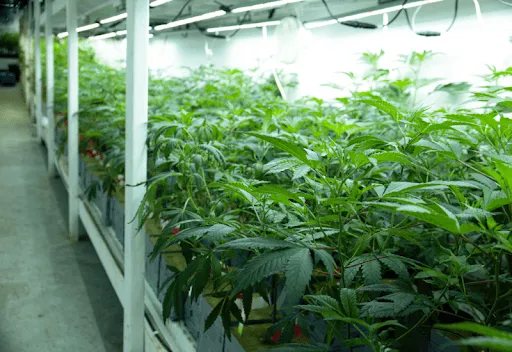
Your grow space should be a controlled environment with enough room for plants to grow. This can be a dedicated grow tent, a closet, or a corner of a room.
Ensure the area is clean, light-proof, and has reflective walls to maximize light exposure. Maintain a temperature range of 70-85°F (20-30°C) and humidity between 40-60%.
3. Select and Install Grow Lights
Grow lights are essential for indoor cultivation. LED lights are popular due to their efficiency and spectrum control. Install the lights above your plants, ensuring they cover the entire growing area.
Adjust the height as plants grow to maintain optimal light intensity. Aim for 18-24 hours of light per day during the vegetative stage and 12 hours during the flowering stage.
4. Provide Adequate Ventilation
Good air circulation helps prevent mold and pests while strengthening plant stems.
Use oscillating fans to keep air moving and an exhaust fan to remove stale air and control temperature and humidity. Ensure fresh air enters the space to replace the air being exhausted.
5. Prepare Your Growing Medium
Choose a growing medium that supports healthy root development. Common options include soil, coco coir, and hydroponic systems.
For soil, use a high-quality potting mix designed for cannabis. Amend with perlite for better drainage and aeration.
6. Germinate Your Seeds
Germination is the first step in bringing seeds to life. Place seeds in a moist paper towel inside a plastic bag or between two plates.
Keep them in a warm, dark place until they sprout. This usually takes 24-72 hours. Once sprouted, carefully transfer the seeds to small pots with your chosen growing medium.
7. Transplant Seedlings to Pots
When seedlings develop a few sets of true leaves, transplant them into larger pots. Handle seedlings gently to avoid damaging the roots.
Bury them at the same depth they were in their initial pots. Water them thoroughly after transplanting.
8. Water and Feed Your Plants
Water your plants when the top inch of soil feels dry. Use room-temperature water and avoid overwatering, which can lead to root rot.
Feed your plants with nutrient solutions designed for cannabis, following the manufacturer’s instructions. Adjust feeding schedules based on plant growth stages.
9. Monitor Plant Health and Pests
Regularly check your plants for signs of stress, nutrient deficiencies, and pests. Yellowing leaves, spots, and stunted growth can indicate issues.
Use organic pest control methods, such as neem oil or insecticidal soap, to address infestations. Maintain cleanliness in your grow space to prevent problems.
10. Harvest and Cure Your Buds
Harvest your plants when the buds are mature, typically 8-12 weeks after flowering begins. Trim the buds and hang them upside down in a dark, ventilated space to dry.
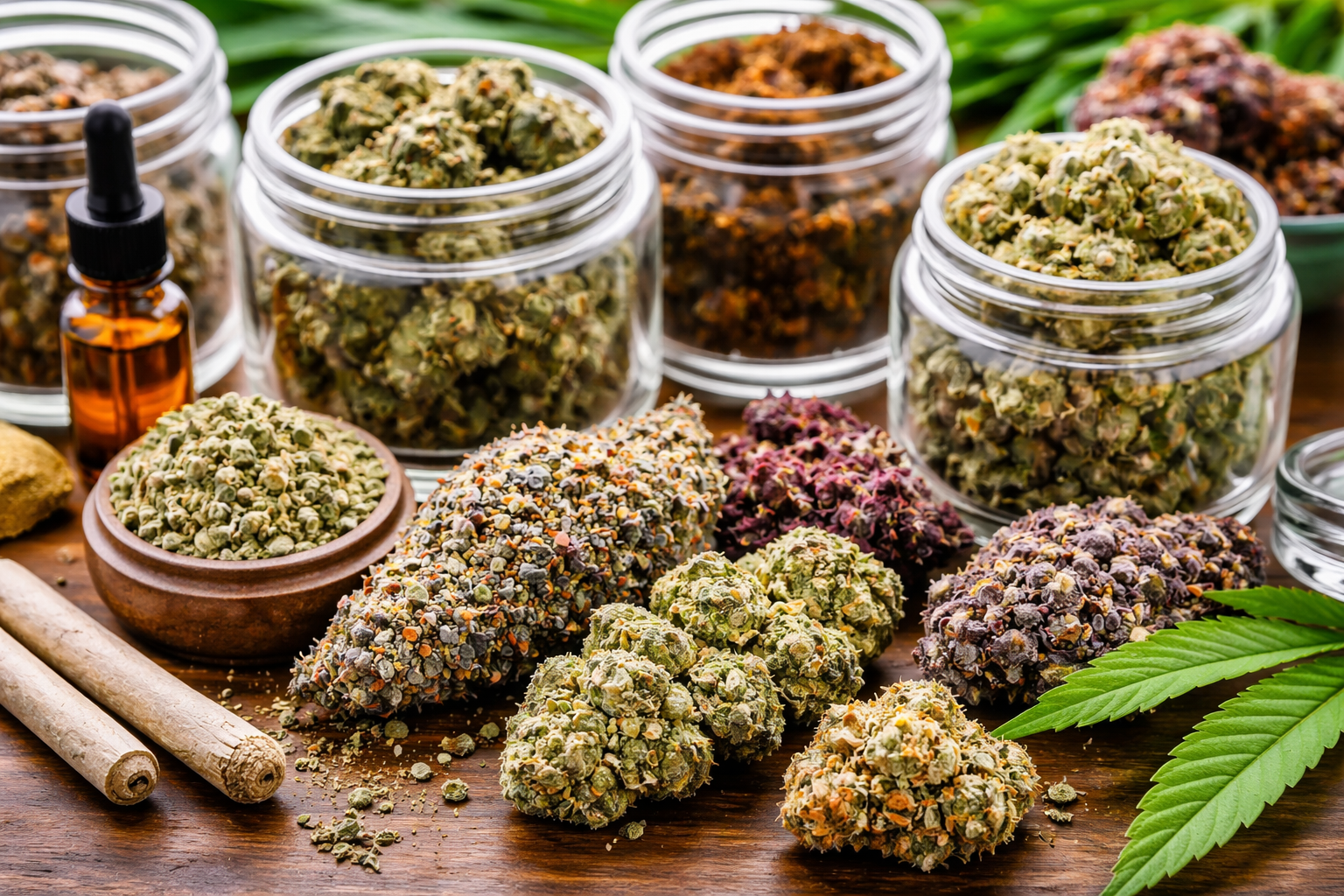
After drying, cure the buds in glass jars, opening them daily to release moisture. This process can take 2-4 weeks and improves the flavor and potency of your cannabis.

What are the Things You’ll Need for Growing Weed Indoors
Growing weed indoors requires specific equipment and supplies to create an optimal environment for your plants. Here’s a list of essential items you’ll need to get started:
☑ Seeds or Clones: Choose high-quality seeds or healthy clones from reputable sources. Select strains suited for indoor growing and your experience level.
☑ Grow Lights: Invest in LED, HID, or fluorescent grow lights. LED lights are energy-efficient and provide a full spectrum of light. Ensure your lights cover the entire growing area.
☑ Grow Tent or Space: A grow tent helps maintain a controlled environment. If using a room, ensure it is clean, light-proof, and has reflective walls.
☑ Ventilation System: Install an exhaust fan, intake fan, and oscillating fans. Proper ventilation controls temperature, humidity, and prevents mold and pests.
☑ Growing Medium: Choose soil, coco coir, or hydroponic systems. High-quality soil mixes designed for cannabis are ideal for beginners.
☑ Containers: Use pots with good drainage. Start with small pots for seedlings and transplant to larger ones as plants grow.
☑ Nutrients and Supplements: Purchase nutrient solutions specifically formulated for cannabis. Follow feeding schedules based on plant growth stages.
☑ Watering System: Water your plants with room-temperature water. Consider using a watering can, drip system, or automated irrigation for consistent hydration.
☑ pH and EC Meters: Monitor the pH and electrical conductivity (EC) of your water and nutrient solutions. Cannabis thrives in a pH range of 6.0-7.0.
☑ Thermometer and Hygrometer: Track temperature and humidity levels in your grow space. Maintain temperatures between 70-85°F (20-30°C) and humidity between 40-60%.
☑ Timers: Use timers to automate your light and ventilation schedules. Consistent light cycles are crucial for plant growth.
☑ Pruning and Training Tools: Acquire scissors, trellis nets, and plant ties. These tools help manage plant shape and promote even light distribution.
☑ Pest Control Supplies: Keep organic pest control products like neem oil or insecticidal soap on hand. Regularly inspect plants for pests and take action promptly.
Having these essential items will set you up for a successful indoor cannabis grow, ensuring your plants have everything they need to thrive.

How to Choose the Right Cannabis Strain
Choosing the right cannabis strain is crucial for a successful indoor grow, especially for beginners. Different strains have varying growth requirements, effects, and flavors. Here are key factors to consider when selecting a cannabis strain:
☑ Growing Difficulty: Beginners should opt for strains that are easy to grow and resilient to common issues. Indica strains like Northern Lights and Afghan Kush are known for their hardiness.
☑ Growth Cycle: Consider the strain’s growth cycle. Indica strains typically have shorter flowering times (7-9 weeks) compared to sativa strains (10-16 weeks). Faster flowering strains allow for quicker harvests.
☑ Plant Size: Choose strains that fit your grow space. Indica strains tend to be shorter and bushier, making them suitable for limited spaces. Sativa strains can grow tall and require more vertical room.
☑ Climate Requirements: Select strains that thrive in the climate you can provide. Some strains prefer cooler temperatures, while others thrive in warmer conditions. Research the optimal climate for your chosen strain.
☑ THC and CBD Levels: Consider the desired effects and potency. Strains high in THC offer strong psychoactive effects, while those high in CBD provide therapeutic benefits without the high. Balance THC and CBD levels based on your needs.
☑ Flavors and Aromas: Choose strains with flavor profiles you enjoy. Cannabis strains offer a wide range of flavors, from fruity and sweet to earthy and pungent. Terpenes contribute to these unique aromas.
☑ Medical Benefits: If growing for medical use, select strains known for specific therapeutic effects. For example, strains high in CBD may help with pain relief, while those with high THC might be better for stress and anxiety.
☑ Genetics: Opt for reputable seed banks and suppliers to ensure quality genetics. Stable genetics result in consistent growth patterns and predictable effects.
By considering these factors, you can select a cannabis strain that matches your growing conditions, experience level, and desired outcomes.
In Summary
Growing weed indoors for beginners can be a fulfilling and productive endeavor with the right approach and resources. By following the detailed tips, steps, and reminders outlined in this guide, you’ll be well-equipped to cultivate healthy cannabis plants and enjoy a successful harvest.
Remember to choose the right strain, set up your grow space properly, provide adequate lighting and ventilation, and monitor your plants’ health. With patience and dedication, even novice growers can achieve impressive results.