Do I Need a Cannabis Prescription? Understanding Medical Marijuana Recommendations
When exploring medical marijuana as a potential treatment option, one of the first questions that often arises is whether you need a “prescription” for cannabis. While the term “prescription” is commonly used for conventional medications, the process for accessing medical marijuana is typically different and involves a “recommendation” rather than a prescription. Understanding this distinction is crucial for navigating the legal landscape of medical cannabis.
The Difference Between a Prescription and a Recommendation
In the traditional medical model, a doctor writes a prescription for a specific medication that is then filled at a pharmacy. Prescriptions involve controlled substances that have been approved by federal agencies like the Food and Drug Administration (FDA). However, cannabis remains federally classified as a Schedule I controlled substance, despite the growing number of states that have legalized it for medical or recreational use. Due to this federal status, physicians cannot technically “prescribe” cannabis.
Instead, in states with medical marijuana programs, qualified physicians provide a “recommendation” or “certification” for medical cannabis to patients with qualifying conditions. This recommendation signifies that the physician believes the potential benefits of medical marijuana outweigh the risks for the patient’s specific health issue, as outlined by state law. This process is more akin to recommending a course of treatment rather than prescribing a federally regulated drug.
The Role of a Qualified Physician
To obtain a medical marijuana recommendation, you need to consult with a physician who is licensed in your state and authorized to recommend medical cannabis. These physicians evaluate patients based on their medical history and current health conditions to determine if they meet the state’s criteria for a qualifying condition. If they deem medical marijuana to be a beneficial treatment option, they will issue a written recommendation or certification. This certification is then typically used to register with the state’s medical marijuana program and obtain a medical marijuana card, such as the
Connecticut Medical Marijuana Card or the
Delaware Medical Marijuana Card.
Finding a qualified physician is a crucial step in this process. Our guide on
how to find a doctor for a medical card can provide valuable insights into selecting the right healthcare provider.
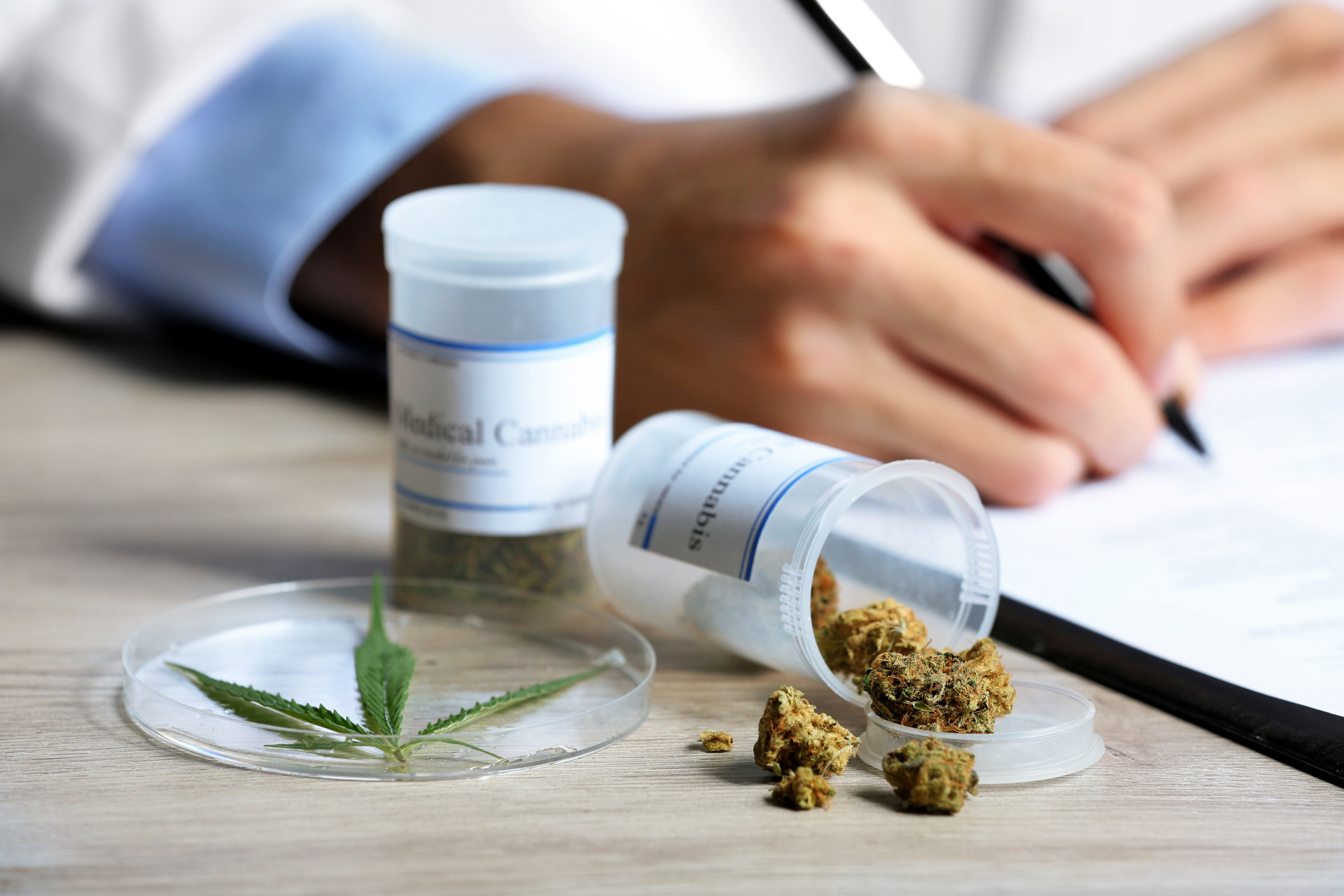
State Medical Marijuana Programs and Recommendations
Each state with a medical marijuana program has its own specific list of qualifying conditions and procedures for obtaining a recommendation. For example, the requirements in the
Connecticut Medical Marijuana Program (CT MMP) will differ from those in the
Delaware Medical Marijuana Program. Understanding the specific regulations in your state is essential. The physician’s recommendation will often specify the qualifying condition and may include recommendations on dosage or types of cannabis products, although these are generally guidelines rather than strict prescriptions.
Accessing Cannabis with a Recommendation/Card
Once you have a valid medical marijuana card based on a physician’s recommendation, you can legally purchase cannabis from licensed dispensaries within your state. These dispensaries operate under state regulations and provide a variety of cannabis products. The card serves as proof that you are a registered patient authorized to access medical cannabis under state law.
Conclusion
In summary, you do not typically need a “prescription” for cannabis in states with medical marijuana programs. Instead, you need a recommendation or certification from a qualified physician who believes that medical cannabis could benefit your qualifying health condition. This recommendation allows you to register with the state’s program and obtain a medical marijuana card, which then grants you legal access to purchase cannabis from licensed dispensaries. Understanding this distinction is key to navigating the process of accessing medical cannabis legally and effectively.