
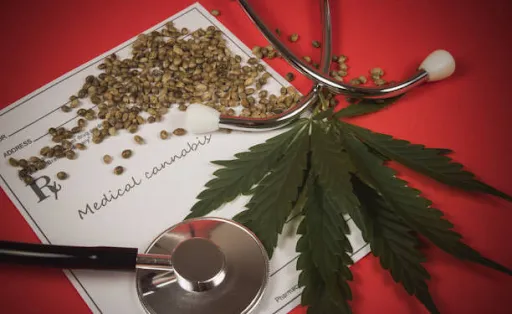
Medical marijuana has proven effective in treating various medical conditions, but its use in HIV/AIDS patients has been met with controversy. Some studies suggest that marijuana can help improve appetite, reduce nausea, alleviate pain, and improve sleep quality in patients with HIV/AIDS. As a result, many individuals living with HIV/AIDS have found relief and improved quality of life through the use of medical marijuana. However, it is essential to emphasize that medical marijuana should only be used under the supervision of a medical professional. In this blog post, we will delve into the facts surrounding marijuana use and HIV/AIDS, explore relevant studies, and discuss the potential benefits of medical cannabis for patients with this condition.
Facts About HIV/AIDS
HIV/AIDS is a contagious disease caused by the Human Immunodeficiency Virus (HIV), which attacks the immune system and weakens the body’s ability to fight infections. Acquired Immunodeficiency Syndrome (AIDS) is the most advanced stage of HIV infection and is characterized by multiple symptoms that can make everyday activities challenging. Despite ongoing education efforts, HIV/AIDS is still surrounded by myths and misconceptions, leading to discrimination and stigma that hinder affected individuals from accessing proper care and support.
Understanding HIV and AIDS

HIV and AIDS are not the same labels for the same disease. HIV is the virus that attacks the immune system, while AIDS refers to a collection of symptoms and illnesses that occur when the immune system is severely damaged by HIV. Not every person infected with HIV will develop AIDS. The progression of the disease varies from person to person and depends on factors such as overall health, the HIV variant, and whether antiretroviral therapy (ART) is being used.
The Burden of HIV/AIDS
The primary burden of HIV/AIDS falls on the infected individuals, their families, and society as a whole. Besides the physical symptoms, people with HIV/AIDS often experience discrimination and stigma. Family members may need to provide care for their loved ones, facing challenges related to stigma as well. From a societal perspective, HIV/AIDS can lead to reduced productivity and increased healthcare costs. However, it is crucial to understand that HIV/AIDS affects people of all backgrounds, regardless of race, ethnicity, or socioeconomic status.
Marijuana and HIV/AIDS – How it Helps
Marijuana does not cure HIV or AIDS, but it can help alleviate some of the symptoms associated with the condition. Studies have shown that marijuana can improve appetite, reduce nausea, and enhance mood, which can be beneficial for maintaining a healthy weight, preventing nutrient deficiencies, and promoting overall well-being in individuals with HIV/AIDS.
CBD and HIV
CBD, a non-intoxicating compound found in cannabis, has shown promise in easing various conditions, including pain, anxiety, and inflammation. For patients living with HIV/AIDS, CBD may offer relief from medication side effects such as nausea and vomiting, help improve appetite and weight gain, and relieve pain and anxiety.
HIV Mouth Ulcers and CBD
Mouth ulcers are a possible symptom of HIV that can be painful and affect the ability to eat and drink. Some patients are turning to orally administered CBD products to ease mouth ulcers due to its anti-inflammatory properties. CBD’s anti-inflammatory properties may be the reason it is effective in treating mouth ulcers based on a study published in the Journal of Dental Research. When CBD is applied directly to the ulcer, it can help to reduce swelling and pain, which may help reduce swelling and pain and speed up the healing process.
Terpenes for AIDS
Terpenes are organic compounds found in cannabis and have shown various medicinal properties, including anti-inflammatory, antioxidant, and neuroprotective effects. As of late, researchers have started to investigate the likely restorative uses of terpenes. Various in vitro, animal, and clinical trials have shown that terpenes have a large number of therapeutic properties, including mitigating, antioxidant, analgesic, anticonvulsive, stimulant, anxiolytic, anticancer, antitumor, neuroprotective, anti-mutagenic, anti-allergic, antibiotic, and anti-diabetic attributes. They hold promise as natural remedies for many ailments, including HIV/AIDS, and have a good therapeutic index.
Research on Medical Marijuana and HIV/AIDS
While most supporting evidence for medical marijuana benefits for HIV/AIDS is anecdotal, some scientific studies exist to back these reports. One such study sought to investigate the self-reported use of medical cannabis for HIV/AIDS symptom management. Additionally, one study found that out of the 523 patients using medical cannabis for HIV/AIDS symptom management, a significant number reported improvements in appetite, muscle pain, nausea, anxiety, depression, nerve pain, and more.
Potential Benefits of Medical Marijuana for HIV/AIDS Patients
Research indicates that medical marijuana can be an effective treatment for HIV/AIDS. It has been associated with decreased neuropathic pain, improved appetite, mood enhancement, reduced anxiety, and better quality of life. Additionally, medical marijuana may provide relief for HIV patients experiencing seizures, a condition more prevalent in HIV/AIDS patients compared to the general population.
Side Effects and Interactions
Like whatever other medication, there are gambles related to weed utilization, subsequently, the requirement for a patient to talk with a professional medical marijuana doctor prior to continuing with a marijuana routine. Medical marijuana has side effects, including fatigue, memory impairment, and dry mouth. It may also interact with other drugs, including antiretroviral medications. Consulting with a medical marijuana doctor before starting a cannabis regimen is crucial, especially for those taking antiretroviral medications.
Popular Cannabis Strains for AIDS
Certain cannabis strains have shown potential benefits for patients with HIV/AIDS. Strains like Shark Shock, Tangerine Dream, Juicy Fruit, Cookies and Cream, and Sweet Tooth may help alleviate symptoms such as appetite loss, stress, pain, and nausea.
HIV/AIDS Awareness
Raising awareness about HIV/AIDS, its impact on older adults, and promoting a supportive environment for those living with the disease is essential. HIV/AIDS and Aging Awareness Day on December 1st serves this purpose and encourages support for those affected.
Conclusion
Medical marijuana has the potential to offer relief and improve the quality of life for individuals living with HIV/AIDS. While more research is needed to fully understand its benefits and interactions with other medications, medical marijuana under the guidance of a medical professional can be a valuable addition to HIV/AIDS symptom management. Promoting HIV/AIDS awareness and dispelling myths is crucial to creating a compassionate and supportive environment for those affected by the disease.


