

The Emerging Potential of Hemp
Hemp is increasingly recognized for its multifaceted applications across a range of industries, underscoring its remarkable versatility and sustainable properties. This resilient plant is cultivated not only for its fibers, which are used in textiles, paper, and biodegradable plastics, but also for its seeds and oils, which offer nutritional benefits and are incorporated into a variety of food products and cosmetics.
One of the most notable characteristics of hemp is its high concentration of cannabidiol (CBD), a non-psychoactive compound that has surged in popularity in recent years due to its potential therapeutic benefits. Users and researchers alike are exploring CBD for its possible effects on anxiety, inflammation, chronic pain, and a host of other health issues. Importantly, unlike marijuana, which is specifically grown for its psychoactive effects, hemp is characterized by its negligible levels of tetrahydrocannabinol (THC) — the compound that produces the characteristic ‘high’ associated with cannabis use.
This fundamental difference in chemical composition not only highlights the distinct purposes for which these two types of cannabis are cultivated but also positions hemp as a viable option for those seeking the benefits of cannabis without the intoxicating effects.
As public interest and acceptance of hemp-derived products continue to grow, further research and innovation are poised to unlock even more potential applications, making hemp a cornerstone of future sustainable practices and health solutions.
This shift may herald a new era in agriculture, economy, and wellness, as industries increasingly turn to this remarkable plant to meet the demands of a more eco-conscious and health-focused society.
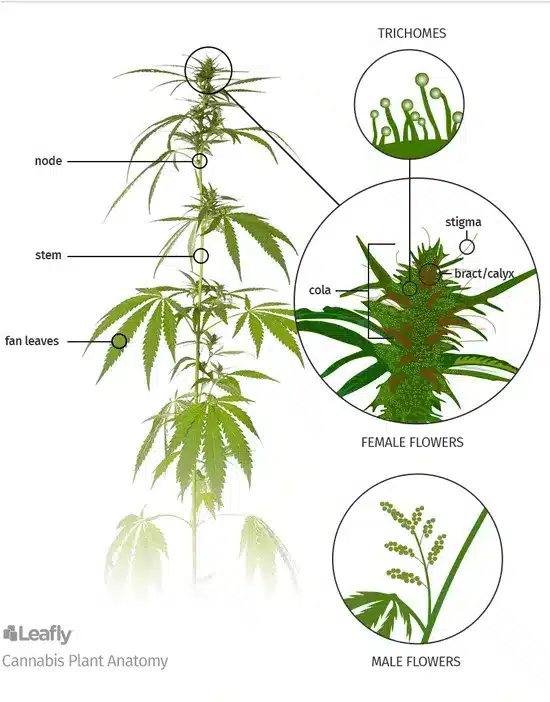
In contrast to hemp, marijuana is meticulously bred to achieve elevated levels of THC, often ranging from 15% to as much as 30% by weight. This selective breeding focuses on the unpollinated female flowers of the plant, where THC concentration is maximized, making marijuana a sought-after product in both recreational and medicinal markets.
Marijuana: For Persons Seeking Relief from Various Ailments
The psychoactive properties of marijuana have made it particularly popular among individuals seeking relief from various ailments, including chronic pain, anxiety, and other medical issues. Despite its widespread use, marijuana remains classified as a Schedule 1 controlled substance at the federal level in the United States.
However, a growing number of states have taken steps to legalize marijuana for both medical and recreational purposes, reflecting changing perceptions and increasing acceptance.
This evolving consumer landscape encourages growers to innovate and refine their cultivation practices, whether through advanced hydroponics, organic farming techniques, or the adoption of technology to enhance growth conditions.
The result is a cannabis market that is not only lucrative but also increasingly competitive, where quality and consumer engagement play pivotal roles in determining success.
The Current Cannabis Market
In regions where marijuana cultivation is legal, growers are increasingly able to enjoy substantial financial returns on their investments, thanks to a booming market for high-quality cannabis that shows no signs of slowing down. As the legal landscape continues to evolve, the financial dynamics of cannabis cultivation have transformed, leading to remarkable profitability for many growers.
The prices for marijuana can vary widely, generally ranging from around $750 to an impressive $1,750 per pound, reflecting the diverse factors that impact the market. These fluctuations in pricing are influenced by a multitude of elements, including the specific strain quality, production methods employed, and the prevailing local demand for different cannabis products.
Furthermore, as the cannabis market matures, the differentiation among strains has become increasingly pronounced, with certain exotic or specialized varieties commanding premium prices due to their unique flavor profiles, potency, and effects.
As consumers become more discerning and knowledgeable about the various strains and their effects, the demand for premium products continues to escalate, creating ample opportunities for growers to command higher prices for top-tier cannabis.
Not only are consumers seeking out high-potency strains, but they are also becoming more interested in organic and sustainably grown products, reflecting a broader trend towards health-conscious and environmentally friendly choices.
Hemp Provides the Future Opportunity
Conversely, hemp presents a distinct opportunity within the cannabis market due to its significantly low THC content. Defined as cannabis varieties engineered to contain less than 0.3% THC, hemp is emerging as an ideal crop for a diverse range of applications that extend far beyond traditional cannabis consumption.
Additionally, hemp’s versatility positions it as a prime candidate for use in biodegradable plastics, which offer a sustainable alternative to petroleum-based products that contribute to environmental degradation. Health products, such as oils and supplements that leverage the beneficial properties of cannabinoids, also play a significant role in hemp’s rise, as they provide consumers with wellness options that do not induce the psychoactive effects commonly associated with higher THC levels.
The increasing popularity of hemp cultivation is also fostering a greater emphasis on sustainability in agricultural practices. Hemp is renowned for its rapid growth cycle, often maturing within just a few months, and its ability to thrive in a variety of soil types, all while requiring fewer pesticides and herbicides compared to many conventional crops.
This not only reduces the ecological footprint of farming practices but also contributes significantly to soil health and biodiversity, making it an attractive option for farmers looking to implement sustainable practices. As public awareness of hemp’s numerous advantages continues to expand, it is being increasingly recognized as a vital resource across various sectors.