

How to Use Weed for Pain
Using weed for pain requires understanding the best consumption methods to maximize benefits while minimizing risks. Here are the top methods for using medical marijuana for pain relief:
Smoking or Vaping
Edibles
Tinctures
Topicals
Capsules or Pills
✵ Smoking or vaping
Marijuana offers quick relief, making it a popular choice for those experiencing acute pain. Inhalation allows cannabinoids like THC and CBD to enter the bloodstream rapidly, usually providing effects within minutes.
Vaping is often considered a safer alternative to smoking, as it reduces exposure to harmful byproducts of combustion.
✵ Edibles
Edibles provide a discreet and long-lasting way to manage pain. These products, such as gummies or baked goods, deliver cannabinoids through digestion. While effects may take 30 minutes to 2 hours to kick in, they can last for several hours, making edibles ideal for chronic pain sufferers seeking prolonged relief.
✵ Tinctures
Tinctures are liquid cannabis extracts administered sublingually (under the tongue). They offer fast absorption into the bloodstream, with effects felt within 15 to 45 minutes. Tinctures provide precise dosing, allowing users to customize their intake for effective pain management.
✵ Topicals
Topical cannabis products, like creams and balms, are applied directly to the skin for localized pain relief. These are non-psychoactive, as they don’t penetrate deeply enough to reach the bloodstream. They work well for joint pain, muscle soreness, and inflammation.
✵ Capsules or Pills
Capsules and pills offer a controlled and convenient way to consume medical marijuana. They provide consistent dosing and are ideal for users who prefer a smoke-free, odorless option. Effects are similar to edibles, with a delayed onset but longer-lasting impact.

Medical Marijuana and the ECS
The experience of pain is a complex process involving the nervous system, the brain, and the body’s natural responses. Central to this system is the endocannabinoid system (ECS), a regulatory network that helps maintain balance (homeostasis) in the body.
The ECS is deeply involved in controlling pain, inflammation, and immune responses, making it a key player in managing chronic and acute pain.
The ECS and Pain Regulation
The ECS consists of endocannabinoids (naturally produced molecules similar to cannabinoids), receptors (CB1 and CB2), and enzymes that break down these molecules.
CB1 receptors are predominantly located in the brain and central nervous system, influencing pain perception, mood, and appetite. CB2 receptors are found primarily in immune cells and peripheral tissues, regulating inflammation and pain signaling.
When injury or chronic conditions disrupt homeostasis, the ECS activates to restore balance. However, some individuals may experience an endocannabinoid deficiency, which can result in heightened sensitivity to pain.
Research published in the Journal of Experimental Medicine (2012) showed that targeting the ECS can reduce inflammation and neuropathic pain, especially when traditional treatments fail.
How Medical Marijuana Influences the ECS
Medical marijuana interacts directly with the ECS, amplifying its pain-regulating capabilities. THC, the psychoactive compound in cannabis, binds to CB1 receptors, altering pain signals in the brain and reducing the perception of discomfort.
CBD, another key cannabinoid, influences CB2 receptors and helps suppress inflammation, making it especially effective for conditions like arthritis or fibromyalgia.
A 2018 review in Frontiers in Pharmacology highlighted that medical marijuana reduces chronic pain by modulating the ECS, offering relief for neuropathic pain, inflammatory conditions, and even cancer-related discomfort.
Another study from The Lancet Public Health (2020) revealed that patients using cannabis for pain required fewer opioids, reducing risks associated with long-term opioid use.
Qualified Pain Conditions for Medical Marijuana
Medical marijuana is increasingly recognized as an effective treatment for various pain-related conditions. Its ability to interact with the endocannabinoid system (ECS) makes it particularly useful for managing chronic and severe pain.
Below are some of the most common pain conditions that qualify for medical marijuana use:
Chronic Pain
Neuropathic Pain
Cancer Pain
Arthritis and Joint Pain
Fibromyalgia
Migraines and Headaches
Multiple Sclerosis (MS)-Related Pain
Post-Surgical or Injury Pain
Get Your Med Card Today
Getting a medical marijuana card is the easiest and most legal way to access weed for pain. With a med card, you gain access to dispensaries offering high-quality cannabis products tailored to your medical needs. At
Cheap Med Cards, we make the process quick, affordable, and stress-free, so you can focus on managing your pain effectively.
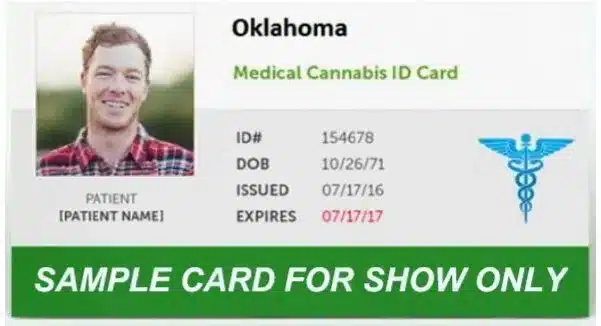
Our streamlined process ensures you connect with certified medical professionals who understand the therapeutic potential of cannabis. With just a few steps, you’ll receive your recommendation and gain access to premium products designed for pain relief—whether you prefer edibles, topicals, or tinctures.
In Summary
Getting your medical marijuana card is the fastest way to access safe, legal, and effective weed for pain. At Cheap Med Cards, we make the process affordable and hassle-free, ensuring you can start your pain relief journey without delay. Take control of your health today—your path to better pain management starts here.