
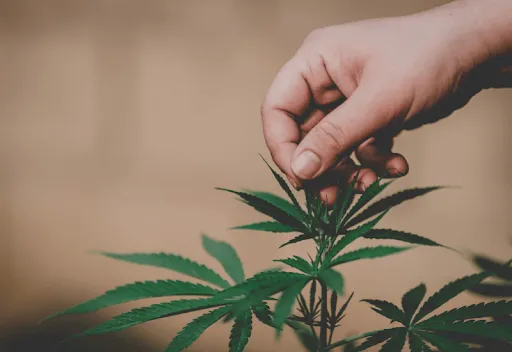
OMMA’s Marijuana Grower Standards
To grow marijuana in Oklahoma, you must obtain a Commercial Grower License from the Oklahoma Medical Marijuana Authority (OMMA).
This license allows you to legally cultivate medical cannabis for distribution to licensed dispensaries, processors, or other growers. Applicants must meet the following criteria:
⊛ Age and Residency
Applicants must be at least 25 years old and an Oklahoma resident. For businesses, at least 75% of ownership must be held by Oklahoma residents.
⊛ Background Check
All owners must pass a criminal background check. Felony convictions related to drug crimes within the past five years typically disqualify applicants.
⊛ Application Fee
The application fee for a grower’s license is $2,500, non-refundable.
Facility and Security Standards
OMMA requires growers to maintain secure and compliant facilities. Here are the key standards:
⊛ Premises Location
Grow operations must be located at least 1,000 feet from schools, as measured from the property line.
⊛ Security Systems
Facilities must have 24/7 video surveillance covering all areas where cannabis is cultivated, processed, or stored. Security footage must be kept for at least 90 days.
⊛ Restricted Access
Only authorized personnel may enter the cultivation areas. Growers should implement access control measures like ID badges or biometric systems.

Seed-to-Sale Tracking
All licensed growers in Oklahoma must use the state-mandated seed-to-sale tracking system, Metrc. This system ensures transparency and compliance by monitoring cannabis throughout its lifecycle.
Requirements include:
⊚ Tagging Plants
Each plant must have a unique RFID tag provided by Metrc.
⊚ Daily Updates
Growers must update the system with daily cultivation activities, including planting, watering, pruning, and harvesting.
⊚ Inventory Reports
Detailed reports of all cannabis products, including weights, transfer records, and sales, must be logged in the system.
Pesticide and Cultivation Standards
OMMA enforces strict guidelines on the cultivation process to ensure product safety and quality. Growers must adhere to these standards:
⊙ Approved Pesticides
Only pesticides approved by the Oklahoma Department of Agriculture, Food, and Forestry (ODAFF) can be used. Documentation for pesticide use must be kept for at least two years.
⊙ Water and Waste Management
Growers must use safe water sources and have a plan for proper disposal of plant waste, including unusable cannabis materials.
⊙ Testing Requirements
All harvested cannabis must be sent to OMMA-approved laboratories for testing. This includes testing for potency, pesticides, heavy metals, and microbial contamination.

Record-Keeping and Inspections
Growers must maintain accurate records of all activities and be prepared for inspections by OMMA. Key requirements include:
⊛ Record Retention
Documents related to licensing, facility operations, pesticide use, and product testing must be retained for at least five years.
⊛ Unannounced Inspections
OMMA inspectors can visit grow facilities at any time to ensure compliance. Non-compliance can lead to fines, license suspension, or revocation.
By following these OMMA Grower Rules, cultivators can operate legally and contribute to Oklahoma’s thriving medical marijuana industry.
What is OMMA?
The Oklahoma Medical Marijuana Authority (OMMA) is the regulatory body responsible for overseeing the medical marijuana program in Oklahoma. Established in 2018 following the passage of State Question 788,
OMMA manages the licensing, compliance, and enforcement for all aspects of the state’s medical marijuana industry, including patients, dispensaries, processors, and growers.
Its primary role is to ensure that all participants in the program adhere to state laws and regulations, promoting transparency, safety, and public health. OMMA sets strict guidelines for licensing, security, product testing, and seed-to-sale tracking to ensure the medical marijuana market operates responsibly.
The authority also collaborates with other state agencies, such as the Oklahoma Bureau of Narcotics and Dangerous Drugs Control (OBNDD), to enforce compliance and prevent illegal activities.
OMMA serves as the central point of contact for both individuals and businesses participating in Oklahoma’s medical cannabis program, fostering a regulated environment for the industry.
Why Is It Important to Follow OMMA Regulations?
Following OMMA regulations is essential for maintaining a legal and sustainable medical marijuana industry in
Oklahoma. Compliance ensures product safety, prevents legal issues, and upholds the integrity of the state’s cannabis program.
Here are key reasons why adhering to OMMA rules is important:
⊛ Legal Protection
Operating within OMMA’s guidelines shields growers, processors, and dispensaries from legal penalties, including fines, license suspension, or revocation. Non-compliance can also lead to criminal charges, especially for unlicensed activities.
⊛ Product Safety
OMMA regulations require strict testing standards for medical marijuana, ensuring that patients receive products free from contaminants like pesticides, heavy metals, or mold. This safeguards public health and builds trust in the industry.
⊛ Market Transparency
Seed-to-sale tracking mandated by OMMA promotes accountability and deters illegal activity, such as black-market sales or diversion of cannabis products outside the state.
⊛ Industry Credibility
Adhering to OMMA rules enhances the reputation of Oklahoma’s medical marijuana program, attracting patients and investors while ensuring the industry remains a legitimate and trusted sector.
⊛ State Revenue
Compliance supports proper tax collection and funding for state programs, as OMMA’s regulated system ensures accurate reporting and financial accountability.

Do I Need a Med Card to Grow Weed in OK
?
In Oklahoma, individuals must possess a valid medical marijuana patient license to legally cultivate cannabis for personal medical use. Licensed patients are permitted to grow up to six mature plants and six seedlings at their residence.
Cultivation must occur on property owned by the patient or with the property owner’s written consent. The plants must not be visible from public spaces and should be secured to prevent unauthorized access.
It’s important to note that recreational marijuana use and cultivation remain illegal in Oklahoma; therefore, only licensed medical marijuana patients are authorized to grow cannabis within the specified limits.
Closing Thoughts
Complying with OMMA Grower Rules is essential for anyone cultivating marijuana in Oklahoma. By following the state’s licensing requirements, security measures, and seed-to-sale tracking protocols, growers can operate legally and contribute to a transparent, safe, and thriving medical cannabis industry.
Whether you’re a patient growing for personal use or a commercial cultivator, adherence to these regulations ensures your operation aligns with state laws and industry standards, paving the way for sustainable success in Oklahoma’s medical marijuana market.


