

Glaucoma, a condition affecting the optic nerve, is a serious concern that can lead to irreversible vision loss if left untreated. While traditional treatments often include prescription eye drops and surgical interventions, the emergence of medical marijuana as a potential alternative therapy has sparked considerable interest. In this article, we delve into the question of whether marijuana can truly offer relief for glaucoma and explore its potential benefits and limitations.
Exploring Glaucoma Management
Navigating the Complexities of Glaucoma
Managing glaucoma requires a comprehensive approach to lower intraocular pressure (IOP) and prevent optic nerve damage. The optic nerve plays a crucial role in transmitting visual signals to the brain, making its health pivotal to maintaining clear vision. Traditional treatment methods, such as prescription eye drops, laser treatments, and surgery, aim to regulate IOP and halt the progression of the condition.
The Quest for Effective Treatments
While many patients respond well to conventional treatments, some individuals experience challenges such as allergies or side effects, prompting them to seek alternative therapies. The search for effective and well-tolerated treatments has led to the exploration of Medical Marijuana as a potential option for glaucoma management.
Understanding Marijuana’s Role
Unraveling the Link Between Marijuana and Glaucoma
Marijuana, known for its therapeutic and recreational uses, has gained attention as a potential treatment for various medical conditions. Beyond its association with the “stoner” stereotype, medical marijuana is being explored for its potential benefits in alleviating symptoms related to anxiety, depression, stress, sleep disorders, and pain, including glaucoma-related pain. As hemp flowers gain legalization for medicinal purposes, marijuana emerges as a potential choice for individuals with glaucoma. Several clinical studies indicate that marijuana has the capacity to decrease intraocular pressure (IOP) and potentially serve as an alternative to traditional glaucoma medication.
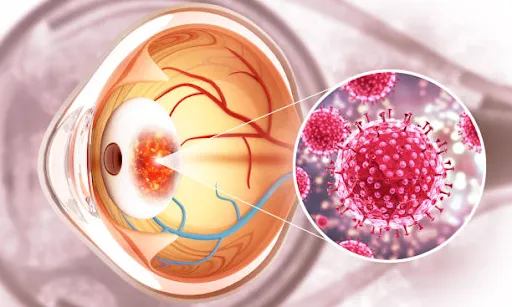
Exploring Marijuana’s Impact on Intraocular Pressure
Research into the effects of marijuana on glaucoma has demonstrated its ability to lower intraocular pressure, a key factor in glaucoma progression. While the scientific evidence is not yet conclusive, studies have shown that marijuana, when administered orally, intravenously, or through inhalation, can temporarily reduce IOP, potentially providing relief to individuals with glaucoma.
Marijuana vs. Traditional Treatments
Contrasting Approaches: Marijuana vs. Traditional Methods
Traditional glaucoma treatments, primarily centered around prescription eye drops and surgical interventions, aim to manage IOP and prevent optic nerve damage. While these methods have proven effective for many patients, they may not be suitable for everyone due to individual sensitivities and preferences. This has led some individuals to consider medical marijuana as a potential alternative or complementary treatment.
The Appeal of Marijuana Treatment
One of the notable advantages of using medical marijuana for glaucoma is the potential avoidance of discomfort associated with conventional eye drops. Unlike eye drops, which may cause irritation or discomfort, medical marijuana can be administered orally, intravenously, or through inhalation, providing a more comfortable experience for patients.
Future Prospects and Considerations
Navigating the Path Forward
The emergence of medical marijuana as a potential treatment for glaucoma raises important considerations and challenges. While some clinical studies have shown promising results, medical marijuana’s effectiveness in managing glaucoma is not yet FDA-approved. Patients considering this option should engage in open discussions with healthcare professionals, taking into account the legal and regulatory landscape of their region.
A Note on Availability
Access to medical marijuana varies based on geographical location and local regulations. While several states have legalized medical marijuana, others have yet to make a decision. Patients interested in exploring medical marijuana as a glaucoma treatment should be aware of the legal status and availability in their area.
Conclusion
The question of whether medical marijuana is beneficial for glaucoma management continues to spark discussions and research. While evidence suggests that marijuana may offer potential benefits in reducing intraocular pressure and providing relief from glaucoma-related pain, it is crucial to approach this alternative therapy with a balanced perspective. As research advances and our understanding deepens, medical marijuana may emerge as a viable option for select individuals seeking relief from the challenges posed by glaucoma. However, patients should collaborate closely with healthcare professionals to make informed decisions that align with their unique medical history and legal considerations.