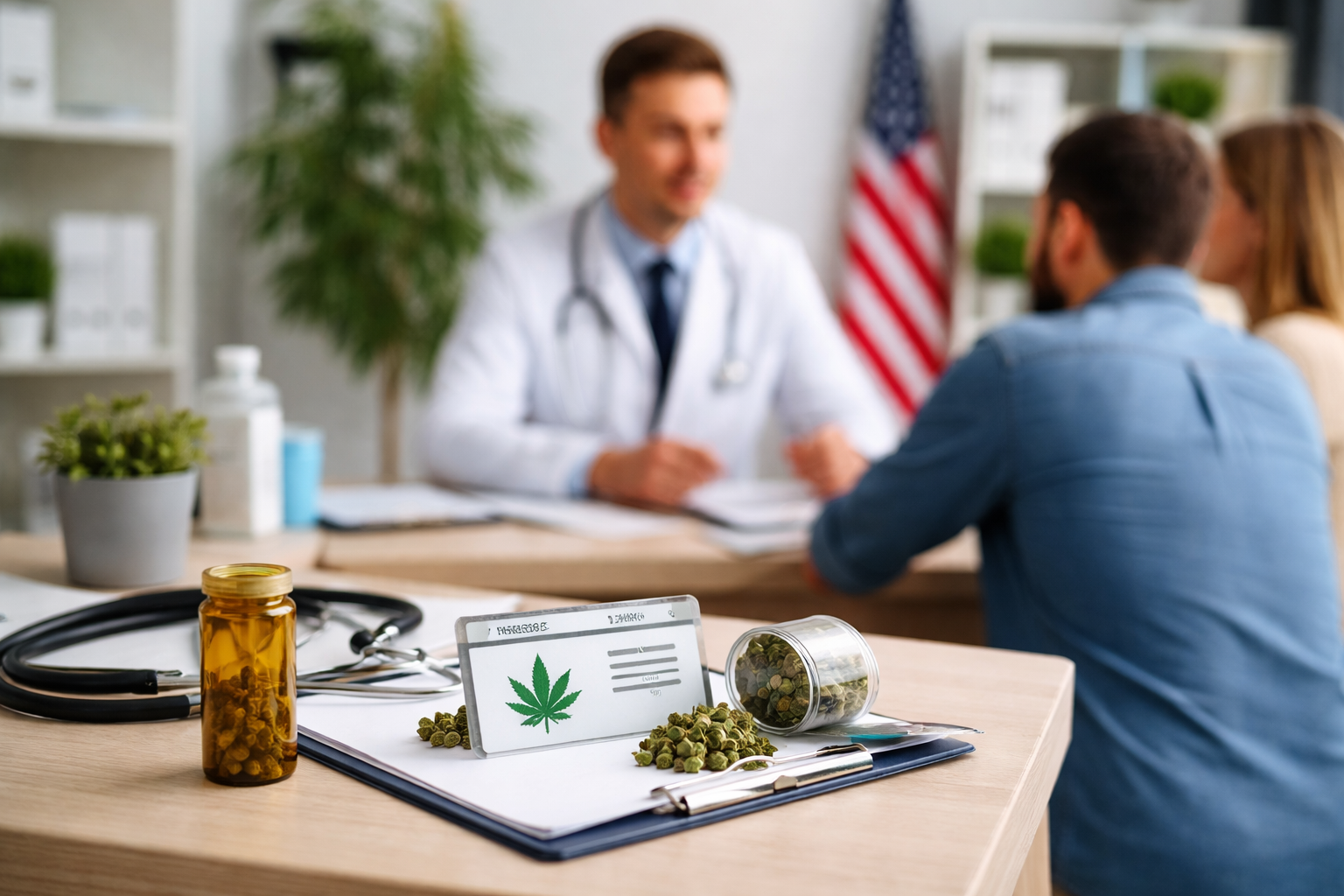

Cerebral palsy (CP) is a complex and frequently debilitating neurological condition that significantly impacts an individual’s ability to move, maintain balance, and perform daily tasks. This article delves into the intricate world of cerebral palsy, its symptoms, current treatment options, the emerging role of medical marijuana as a potential alternative treatment, and the broader societal implications of integrating this novel approach.
The Varied Facets of Cerebral Palsy
Cerebral palsy is a broad term encompassing a range of disorders that originate from brain-related issues and result in muscular weaknesses or impairments. This condition hinders an individual’s ability to lead a functional and independent life, often requiring support from family members and caregivers. While the term “cerebral palsy” is used collectively, it’s critical to recognize that there are various forms and variations of this disorder, each presenting its own set of challenges. Learn more about its effects in Medical Marijuana For Cerebral Palsy – How Effective Is It?.
Navigating the Complexity of Symptoms
The effects of cerebral palsy are widespread and can manifest as spasms, spasticity (muscle stiffness), involuntary movements, an unsteady gait, decreased muscle mass, issues with balance, insomnia, chronic pain, and difficulty with speech. Additionally, joint or bone deformities can further limit an individual’s mobility and interaction with their environment. The complex interplay of these symptoms can significantly impact an individual’s overall quality of life, highlighting the need for effective treatment options.
Common symptoms associated with cerebral palsy include:
- Spasms
- Spasticity
- Involuntary movements
- Unsteady gait
- Decreased muscle mass
- Problems with balance
- Insomnia
- Chronic pain
- Difficulty with speech
The above is a summarized list of symptoms, but every person with cerebral palsy may present several other symptoms. CP affects the entire body and not just one isolated part.
The hope of using medical marijuana for cerebral palsy as a treatment is to address these issues and restore some mobility for sufferers. For more on how cannabis may help, see Medical Marijuana and Epilepsy: How Does It Work? for insights into related neurological conditions.
Conventional and Innovative Approaches
The current treatment landscape for cerebral palsy is multifaceted and varies based on the specific needs and preferences of each individual. Conventional treatments include medications aimed at muscle relaxation, surgical interventions to address severe muscle tightness, and assistive technologies such as orthotic devices and prosthetics to enhance mobility.
The Role of Therapeutic Interventions
Therapeutic interventions, such as physical therapy, speech therapy, occupational therapy, and cognitive behavioral therapy, play a pivotal role in helping individuals with cerebral palsy improve their motor skills and overall functionality. These interventions empower patients to enhance their quality of life by developing essential skills and fostering independence.
The Potential of Medical Marijuana
Emerging Possibilities with Medical Marijuana
Amid the array of cerebral palsy treatments, medical marijuana has emerged as a subject of interest and discussion. While research is ongoing, some anecdotal evidence and preliminary studies suggest that medical marijuana could offer potential benefits for individuals with cerebral palsy. Medical marijuana is believed to aid in pain management, reduce the frequency of seizures, and alleviate spastic movements.

The Need for Rigorous Research
However, it is crucial to note that the use of medical marijuana for cerebral palsy remains a topic of debate within the medical community, and further high-quality research is needed to determine its efficacy and safety. The potential of medical marijuana to complement existing treatments and alleviate specific symptoms underscores the importance of thorough investigation. For related research insights, explore Medical Marijuana and Mental Health: What Science Says.
Exploring Diverse Treatment Approaches
A Holistic Approach to Management
In addition to conventional treatments, alternative therapies are gaining traction as complementary approaches to managing cerebral palsy symptoms. Physical therapy aims to improve muscle strength and coordination, while occupational therapy focuses on enhancing daily living skills. Speech therapy helps individuals improve their communication abilities, and acupuncture and meditation offer potential relief from pain and stress.
The Emerging Role of Medical Marijuana
As the field of medical marijuana gains acceptance and recognition, it presents a novel avenue for individuals seeking relief from the challenges posed by cerebral palsy. While medical marijuana’s potential benefits are still being studied, its integration into treatment plans holds promise for enhancing overall well-being. For guidance on choosing strains, see How to Choose the Right Medical Marijuana Strain for Your Condition.
A Glimpse into Medical Marijuana Studies
Research Insights and Considerations
Research into the potential benefits of medical marijuana for cerebral palsy is in its early stages, but preliminary studies have provided intriguing insights. A study published in the American Journal of Physical Medicine & Rehabilitation indicated that medical marijuana may hold promise for managing pain in cerebral palsy patients. However, it’s important to approach these findings with caution, as the study involved a small sample size, and more comprehensive research is needed to validate these results.
Considerations and Future Outlook
Navigating the Path Forward
The use of medical marijuana as a treatment for cerebral palsy raises important considerations. Factors such as dosing, administration methods, potential side effects, and interactions with other treatments must be thoroughly examined. Moreover, the legal and regulatory landscape surrounding medical marijuana varies by region, adding an extra layer of complexity to its potential integration into cerebral palsy treatment plans. Check state-specific regulations at Cannabis Laws By State.
Empowering Patients and Caregivers
Informed Decision-Making
One of the cornerstones of effective cerebral palsy management is education and empowerment. Individuals and their caregivers should be equipped with accurate and up-to-date information about the potential benefits and risks of medical marijuana. This empowers them to make informed decisions that align with the individual’s unique medical history, preferences, and overall goals. For a self-assessment, see Is Medical Marijuana Right for You? A Self-Assessment Guide.
Addressing Societal Perceptions and Stigmas
The integration of medical marijuana into cerebral palsy treatment plans also reveals broader societal perceptions and stigmas associated with its use. An collective shift toward open dialogue and education can contribute to dispelling myths and fostering a more compassionate and informed perspective on alternative therapies. Address common misconceptions in Cannabis Myths That Need to Die in 2025.
Conclusion
In the evolving landscape of cerebral palsy management, the potential of medical marijuana offers both promise and uncertainty. While preliminary studies suggest that medical marijuana may provide relief for certain symptoms, it is crucial to approach this alternative treatment with a cautious and evidence-based mindset. Individuals and their caregivers should engage in open and informed discussions with healthcare professionals to determine the most appropriate treatment approach for their unique circumstances. As research progresses and our understanding expands, the potential role of medical marijuana in enhancing the quality of life for individuals with cerebral palsy may become clearer, offering new avenues for relief, empowerment, and societal change. For more on accessing medical marijuana, visit Medical Marijuana Card.