
Some Cancer Patients Get Relief from Medical Cannabis
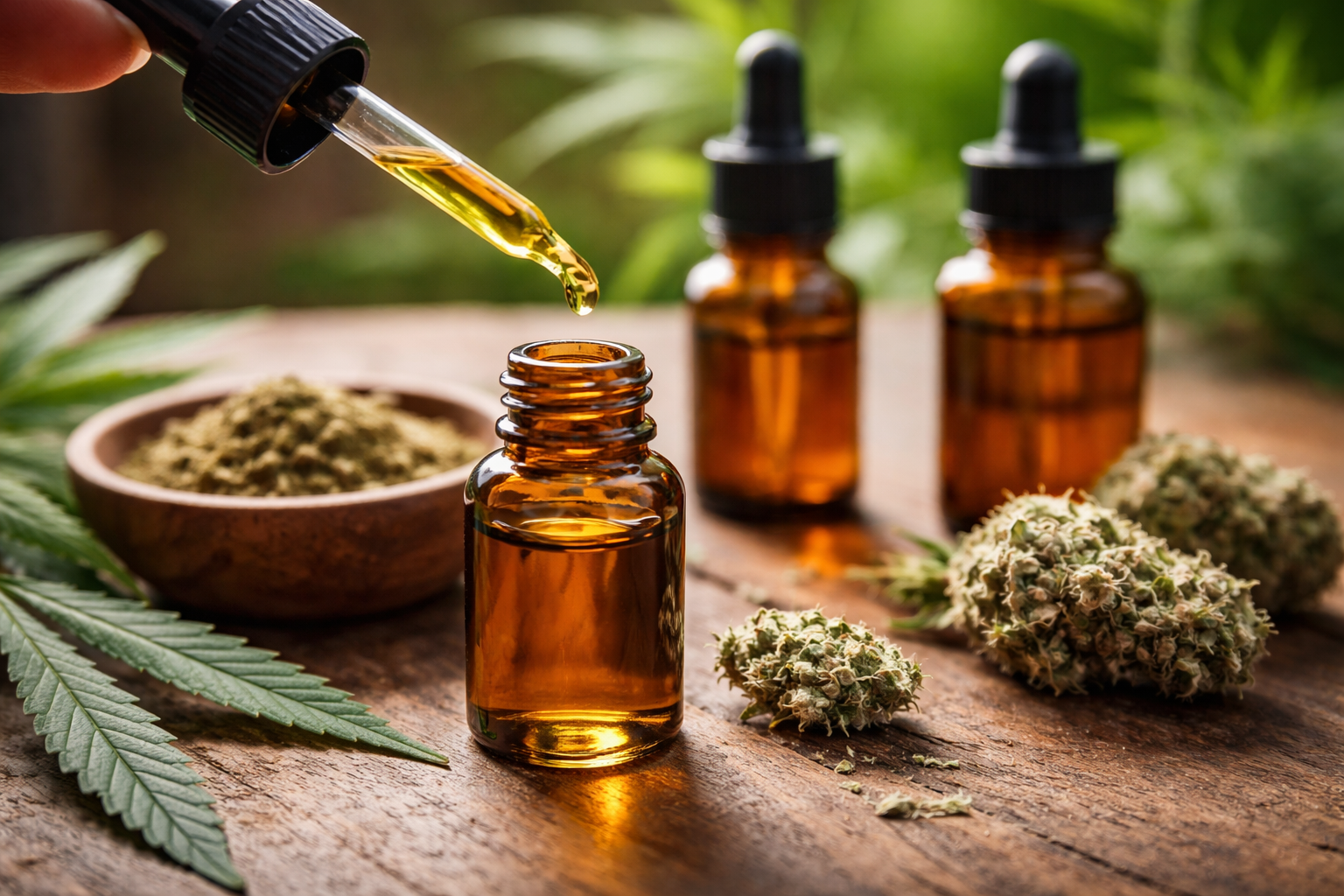
Medical marijuana products are proven to help patients with certain conditions such as chronic pain, nausea, and loss of appetite which are common in cancer patients undergoing treatments.
Many oncologists recognize the potential benefits of cannabis in improving the quality of life for their patients, enabling them to manage the side effects of chemotherapy and radiation therapy more effectively.
Monitoring Closely the Effects and Progress
As a result, doctors may work closely with patients to create personalized treatment plans that incorporate medical cannabis, ensuring that it is used safely and responsibly.
With the evolving legal landscape surrounding medical cannabis, patients now have greater access to this alternative therapy, fostering open discussions between them and their healthcare teams about its use.
Ultimately, the integration of medical cannabis into cancer care reflects a holistic approach to treatment, emphasizing the importance of patient comfort and well-being during a challenging time.
Modern medical treatments are increasingly emphasizing a holistic approach that prioritizes not only the physical aspects of healing but also the emotional and psychological well-being of patients.
As individuals navigate the complex journey of cancer treatment—a path that can encompass a multitude of interventions ranging from chemotherapy and radiation therapy to immunotherapy and targeted therapies—the focus on patient comfort and quality of life becomes paramount.
Cancer treatments can be grueling, both physically and emotionally, leading many patients to experience a range of distressing symptoms, including chronic pain, debilitating nausea, profound fatigue, and heightened levels of anxiety and depression.

In this context, cannabis has emerged as a promising complementary option that can help alleviate several of these symptoms, providing relief where traditional medications may fall short.
The therapeutic properties of Cannabis have been recognized in managing pain, reducing nausea, and promoting relaxation, thereby improving the overall quality of life for patients during their treatments.
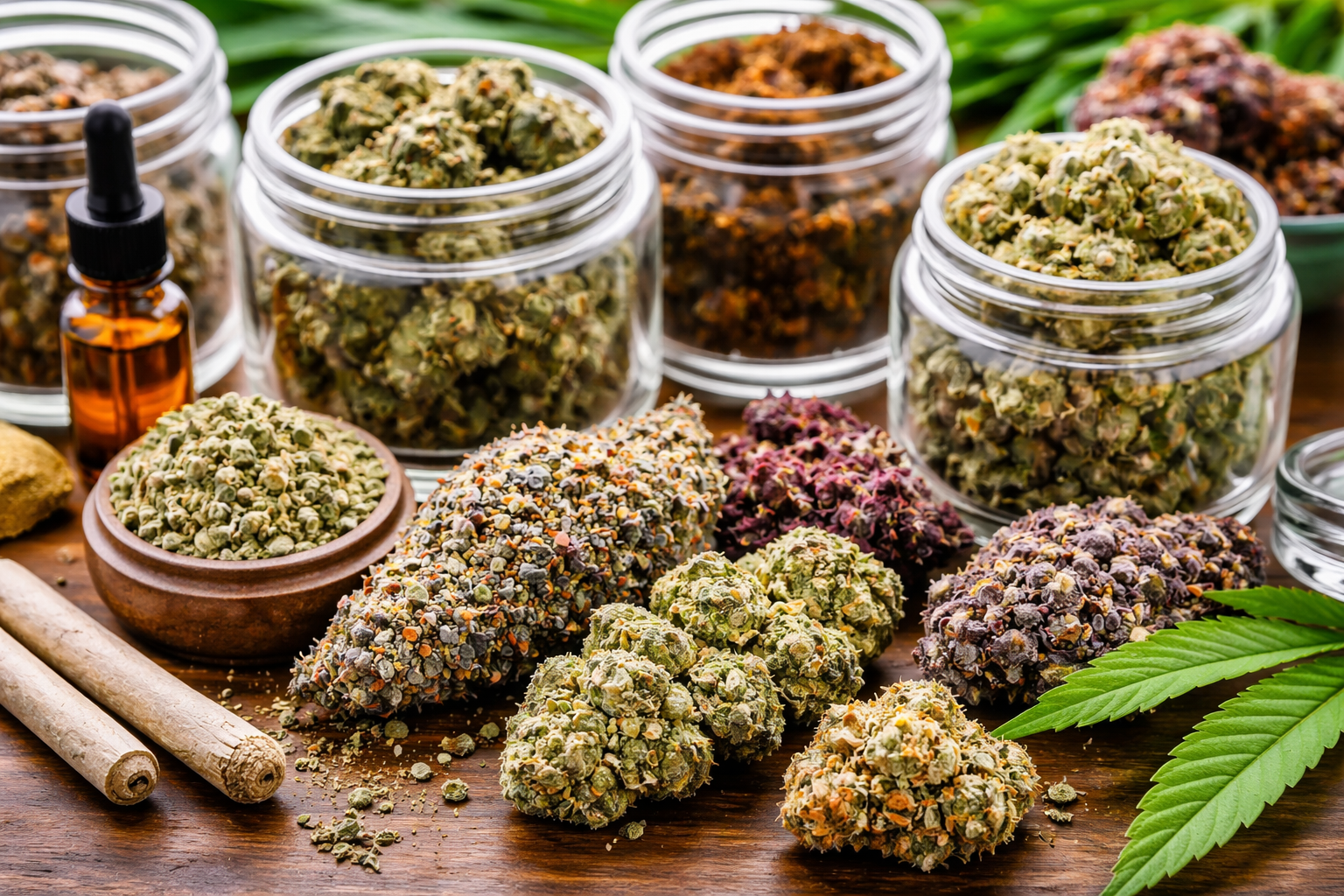
There was a past question as to what's superior, Cannabis, Hemp or Marijuana? This was posed to find out the effectiveness and if the cost for purchase can be possibly lessened but the most important is to be able to differentiate these products from each other.
This multifaceted approach acknowledges the unique experiences, preferences, and needs of each patient, enabling the development of a personalized care plan that fosters a sense of agency, empowerment, and dignity.
Talking About Cannabis with the Patient Adds Confidence
Moreover, the inclusion of medical cannabis in treatment discussions underscores the vital importance of open dialogue between patients and healthcare providers.
This dialogue not only encourages conversations about potential alternative therapies but also allows patients to express their concerns and preferences, fostering a collaborative environment where their voices are heard and valued.