
How to Decarb Weed: A Step-by-Step Guide to Cannabis Decarboxylation
Decarboxylation, or “decarbing,” is a crucial process for anyone who wants to get the most out of their cannabis. It’s a simple chemical reaction that transforms the inactive THCA (tetrahydrocannabinolic acid) and CBDA (cannabidiolic acid) found in raw cannabis into the psychoactive THC and CBD that provide the desired effects. Without decarboxylation, your edibles, topicals, and other cannabis-infused products won’t be as effective. Understanding how to properly decarb your weed is key, whether you’re making cannabutter, tinctures, or other infused products. This detailed guide will walk you through the process step-by-step, helping you unlock the full potential of your cannabis.
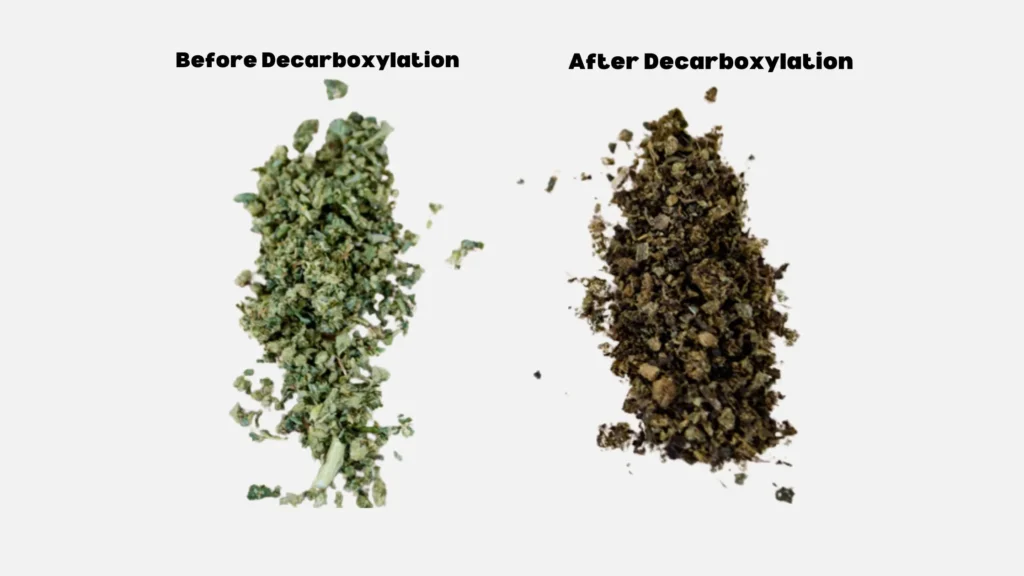
Why Decarboxylate Your Weed?
Raw cannabis contains cannabinoid acids, like THCA and CBDA. These acids are non-psychoactive; they don’t produce the same effects as their decarboxylated counterparts, THC and CBD. Decarboxylation activates these compounds, making them bioavailable for your body to process. This activation is essential for experiencing the therapeutic and recreational benefits of cannabis, especially when using it in edibles or topicals. For more information on the benefits of medical marijuana, check out our blog on various conditions and treatments.
Methods for Decarboxylating Cannabis
Oven Decarboxylation: The Most Common Method
This method is simple and reliable. It involves spreading your ground cannabis on a baking sheet and baking it at a low temperature for a specific amount of time. Here’s a step-by-step guide:
- Preheat your oven to 240°F (115°C).
- Grind your cannabis finely. The finer the grind, the more even the decarboxylation.
- Spread the ground cannabis in a thin even layer on a baking sheet lined with parchment paper. Don’t overcrowd the sheet.
- Bake for 30-45 minutes, keeping a close eye on it. The time may vary depending on your oven and the amount of cannabis.
- Stir halfway through to ensure even heating.
- Let the cannabis cool completely before using.
Important Note: Over-decarbing can lead to a loss of potency and a less desirable flavor profile. The effects of over-decarbing may vary but it could render it less potent and affect its overall quality. Be patient and follow these steps closely. For a deeper dive into the science behind cannabis, you may find our blog post on a new study on the medical properties of marijuana helpful.
Slow Cooker Decarboxylation: A More Hands-Off Approach
For a gentler and more hands-off method, you can use a slow cooker. This method reduces the risk of burning and produces a more even decarb. Simply place your finely ground cannabis in the slow cooker on low for several hours (4-6 hours typically), stirring occasionally.
Important Considerations for Decarboxylation
The temperature and time are crucial. Too low, and your cannabis won’t fully decarb. Too high, and you’ll risk burning it and losing potency. Always monitor the process carefully. For those exploring the legal landscape, you might find our resource on Virginia’s updated medical marijuana legislation beneficial. We also explore the potential benefits of CBD in modern medicine on a blog post linked here.
Storing Your Decarboxylated Cannabis
Once decarboxylated, store your cannabis in an airtight container in a cool, dark, and dry place. This helps to preserve its potency and flavor. Improper storage can negatively impact the overall quality. For more information on storage and preservation, read our blog on how to properly store your cannabis for longer periods of time.
Conclusion
Decarboxylating your cannabis is a simple yet essential step for unlocking the full potential of your weed whether for medicinal or recreational use. By following these instructions carefully, you can ensure your edibles, topicals, and other cannabis-infused products are potent and effective. Remember to always consult with a medical professional before using cannabis for medicinal purposes. If you are seeking information on obtaining a medical marijuana card, please visit our website for more details. We hope this guide has been helpful!