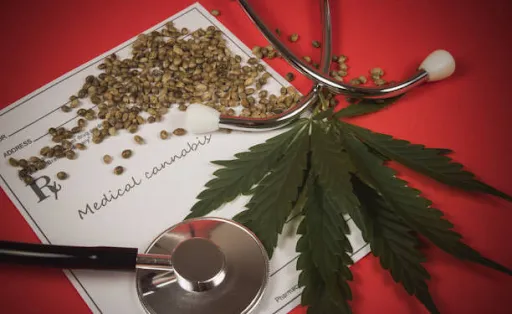

Muscular dystrophy is a debilitating condition with no known cure, impacting the lives of thousands of individuals in the United States. While traditional treatments aim to manage symptoms and enhance the quality of life, medical marijuana is emerging as a promising alternative. In this article, we will delve into the therapeutic potential of cannabinoids for muscular dystrophy patients, particularly focusing on Maine, Missouri, Oklahoma, and Virginia, where medical marijuana is legally available.
Understanding Muscular Dystrophy:
Muscular dystrophy is a genetic disorder affecting the muscles and can lead to progressive weakness, impaired mobility, and reduced life expectancy. There are various forms of the condition, each with distinct symptoms and severity levels. The lack of a definitive cure underscores the importance of exploring new avenues for symptom management and improved well-being.
The Role of Medical Marijuana in Muscular Dystrophy:
Cannabinoids, the active compounds found in marijuana, have been extensively studied for their therapeutic effects on various conditions, including muscular dystrophy. While medical marijuana may not offer a cure, it shows the potential in alleviating several debilitating symptoms associated with the condition.
Pain Relief:
Chronic pain is a hallmark of muscular dystrophy. Medical marijuana, particularly strains rich in both THC and CBD, has shown promise as an effective pain reliever. It can help reduce pain intensity, allowing patients to experience a better quality of life.
Muscle Inflammation:
Inflammation in muscle tissues is a common concern for individuals with muscular dystrophy. CBD, a non-psychoactive cannabinoid, has anti-inflammatory properties that can help manage and alleviate muscle inflammation.
Appetite Stimulation:
Muscular dystrophy can lead to reduced appetite and weight loss. Medical marijuana, known for inducing hunger through the “munchies,” may help stimulate appetite and promote proper nutrition.
Stress and Anxiety Reduction:
Dealing with a chronic condition can be emotionally challenging. Medical marijuana has been reported to have positive effects on reducing stress and anxiety, potentially improving overall mental well-being for muscular dystrophy patients.
Medical Research and the Road Ahead:
Research on the specific effects of medical marijuana on muscular dystrophy is still in its early stages. Preliminary studies have shown promising results, but further investigations are needed to establish the safety and efficacy of marijuana as a therapeutic option. Patients considering medical marijuana for their condition should consult with their healthcare providers and comply with state regulations.
Medical Marijuana in Maine, Missouri, Oklahoma, and Virginia:
Patients residing in Maine, Missouri, Oklahoma, and Virginia have the opportunity to explore medical marijuana as a potential treatment option for muscular dystrophy. State-specific medical marijuana programs offer legal access to qualified patients with valid medical marijuana cards.
Getting a Medical Marijuana Card in Maine, Missouri, Oklahoma, and Virginia:
For patients residing in Maine, Missouri, Oklahoma, and Virginia, obtaining a medical marijuana card is the first step towards accessing medical marijuana legally. Each state has its own specific requirements and regulations for obtaining a medical marijuana card. Generally, patients must have a qualifying medical condition, such as muscular dystrophy, and be evaluated by a licensed healthcare provider who is registered with the state’s medical marijuana program.
Once a patient is approved for a medical marijuana card, they can visit state-approved dispensaries to purchase medical marijuana products. Dispensaries offer a variety of options, including cannabis flowers, edibles, tinctures, topicals, and more, allowing patients to choose the form that best suits their needs.

Consulting with a Medical Professional
Before incorporating medical marijuana into their treatment plan, it is essential for muscular dystrophy patients to consult with a knowledgeable medical professional. A healthcare provider familiar with medical marijuana and its potential benefits can help patients determine the appropriate dosage, delivery method, and strain to suit their specific needs.
Additionally, healthcare providers can monitor patients’ progress and adjust the treatment plan as necessary. Close communication with a medical professional ensures that patients receive optimal care and guidance throughout their medical marijuana journey.
Safety Considerations
While medical marijuana holds promise for managing muscular dystrophy symptoms, patients should also be aware of potential risks and side effects. Like any medication, medical marijuana can interact with other medications or medical conditions. Therefore, it is crucial for patients to disclose their full medical history to their healthcare providers before starting medical marijuana treatment.
Support and Advocacy:
For individuals living with muscular dystrophy, support, and advocacy play a crucial role in their journey toward improved well-being. Support groups and organizations dedicated to muscular dystrophy can offer valuable resources, information, and a sense of community for patients and their families.
These organizations may also advocate for expanded access to medical marijuana and further research on its effectiveness in managing muscular dystrophy symptoms. By working together, patients, caregivers, and advocates can raise awareness about the potential benefits of medical marijuana and promote policies that prioritize patient needs and rights.
Unraveling the Essence of Cystic Fibrosis (CF)
Cystic fibrosis (CF) unveils itself as an inherited ailment impacting both the respiratory and digestive systems. The primary hallmark of cystic fibrosis manifests through persistent lung infections, inducing the accumulation of viscous mucus within the lungs, ultimately impeding the ease of breathing.
Beyond its respiratory ramifications, cystic fibrosis disrupts the process of digestion, wherein the obstructive mucus impedes the pancreas from dispensing essential enzymes to adequately break down consumed food. In graver instances, cystic fibrosis assumes a life-threatening nature. Regrettably, a definitive cure for cystic fibrosis remains elusive; however, available treatments effectively mitigate symptoms and enhance overall quality of life.
Widely prevalent, cystic fibrosis stands as a pervasive health condition. The Cystic Fibrosis Foundation Registry highlights that over 30,000 individuals in the United States grapple with cystic fibrosis, with approximately 1,000 fresh CF cases diagnosed annually.”
Unlocking the Science Behind the Efficacy of Medical Marijuana for Cystic
Fibrosis
The efficacy of medical marijuana in addressing a range of health concerns is well-documented, and its potential in mitigating the impact of cystic fibrosis symptoms is gaining increasing attention. While medical marijuana may not provide a complete resolution for cystic fibrosis symptoms, it has demonstrated its ability to significantly reduce their severity and improve overall well-being.
Key Benefits of Medical Marijuana for Cystic Fibrosis Symptoms:
- Enhancing Appetite and Preventing Weight LossCystic fibrosis often hampers the body’s ability to absorb nutrients, leading to weight loss and malnutrition. Additionally, the disease progression frequently leads to a diminished appetite, compounding the nutritional challenges. Medical marijuana plays a pivotal role in stimulating appetite through a phenomenon known as the “munchies.” This effect promotes regular eating habits, crucial for maintaining strength and optimal nutrition levels.
- Alleviating Chronic PainPersistent pain is an unwelcome companion for individuals grappling with cystic fibrosis. The analgesic properties of marijuana offer a potent and compassionate pain-relief solution, alleviating the burden of constant discomfort. Discover how medical marijuana effectively manages pain in cystic fibrosis patients.
- Combating Lung InflammationInflammation is a primary driver of cystic fibrosis symptoms, cascading into a cascade of complications. Addressing this inflammation is pivotal in enhancing the quality of life for individuals with cystic fibrosis. Notably, the cannabinoid CBD emerges as a powerful anti-inflammatory agent, offering a valuable tool in managing this aspect of the condition.
- Mitigating DiarrheaCystic fibrosis-related digestive issues often manifest as chronic diarrhea, posing significant challenges for patients. Drawing parallels with patients diagnosed with Inflammatory Bowel Disease (IBD), CBD has demonstrated potential in reducing gastrointestinal tract irritation, thereby alleviating diarrhea in cystic fibrosis patients.
Ongoing Research:
As medical marijuana gains traction as a potential therapeutic option for various medical conditions, including muscular dystrophy, researchers are actively studying its effects and safety. Ongoing research aims to provide a more comprehensive understanding of the benefits and limitations of medical marijuana for muscular dystrophy patients.
Clinical trials and studies are exploring the specific interactions between cannabinoids and the symptoms of muscular dystrophy. Such research is essential for developing evidence-based treatment guidelines and furthering our knowledge of how medical marijuana can be integrated into comprehensive care plans.

The Importance of Holistic Care
While medical marijuana shows promise, it is essential to recognize that it should be considered as part of a holistic approach to muscular dystrophy management. Holistic care entails addressing various aspects of a patient’s physical, emotional, and social well-being.
may recommend a combination of therapies, physical exercises, dietary adjustments, and supportive measures to optimize the patient’s quality of life. Medical marijuana can complement these treatments and help address specific symptoms, but it should not be viewed as a standalone solution.
Conclusion:
The potential benefits of medical marijuana for muscular dystrophy patients in Maine, Missouri, Oklahoma, and Virginia offer hope for improved symptom management and enhanced quality of life. With continued research and the support of medical professionals and advocacy groups, medical marijuana can become a valuable addition to the treatment options available to those living with this challenging condition.
As the medical landscape evolves, it is crucial for patients, caregivers, and healthcare providers to stay informed about the latest developments and best practices concerning medical marijuana. Together, we can pave the way for a more compassionate and comprehensive approach to muscular dystrophy care, ensuring that patients receive the support and treatments they need to lead fulfilling lives despite the challenges they face. With dedication, collaboration, and a commitment to patient well-being, the potential of medical marijuana as a source of joy and relief for muscular dystrophy patients becomes increasingly promising.