
Muscular dystrophy (MD) is a group of inherited and progressive muscle disorders that weaken and degenerate muscles over time. While there is no cure for MD, treatment options can help improve the quality of life for patients. One promising alternative therapy gaining attention is medical cannabis. Cannabis has shown effectiveness in alleviating symptoms such as pain, inflammation, muscle spasms, and even depression and anxiety. In this article, we will explore how medical cannabis may provide relief and improve the lives of muscular dystrophy patients.
Understanding Muscular Dystrophy:
Muscular dystrophy is caused by genetic mutations that disrupt the proteins needed for muscle function. Symptoms typically appear in childhood and can include muscle weakness, wasting, difficulty moving, joint contractures, scoliosis, respiratory problems, and cardiac abnormalities. The severity of symptoms varies depending on the type of MD, with some forms being more progressive and debilitating than others.
Current Treatment Options:
While there is no cure for muscular dystrophy, various treatment options can help manage symptoms and improve the overall well-being of patients. Gene therapy, physical therapy, and a healthy diet are some approaches aimed at preserving muscle function and enhancing quality of life. However, these treatments may not fully alleviate symptoms or prevent side effects.
Medical Cannabis and Muscular Dystrophy Treatment:
Medical cannabis has gained recognition as a potential treatment for muscular dystrophy due to its ability to address several symptoms associated with the condition. Over 24 states in the US recognize muscular dystrophy as a qualifying condition for medical cannabis use. Here’s how medical cannabis can be beneficial:
Nausea: Patients often experience nausea, and while conventional muscle relaxants can help, they may cause unwanted side effects. CBD, a compound found in cannabis, is known for its anti-nausea properties and can provide relief without causing dizziness or drowsiness.
Inflammation: Inflammation is a common symptom of muscular dystrophy and can lead to pain and swelling. CBD has shown promise in reducing inflammation and easing discomfort. When combined with THC, another compound in cannabis, the anti-inflammatory effects may be even more potent.
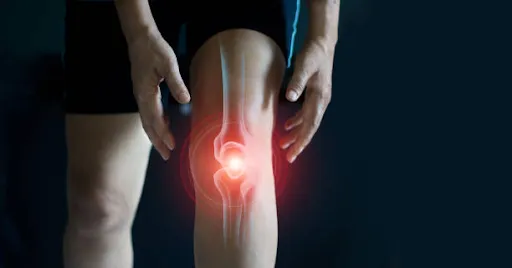
Anxiety & Depression: The diagnosis of a chronic condition can trigger feelings of anxiety and depression. THC can induce relaxation and euphoria, providing relief from negative emotions. On the other hand, CBD can also interact with brain receptors to reduce the intensity of negative feelings in individuals with depression.
Cramping & Spasms: Muscular dystrophy patients often experience muscle cramps and spasms. CBD can help reduce inflammation and pain, providing relief from cramping muscles. Additionally, it may prevent muscle cramps by regulating neurotransmitters that trigger muscle contractions.
Pain: Pain management is crucial for muscular dystrophy patients. Medical cannabis, particularly CBD and THC, can act as potent analgesics, providing relief from chronic pain associated with the condition.
Appetite & Fatigue: Loss of appetite and chronic fatigue are common among patients with MD. THC can stimulate appetite by increasing levels of the hormone ghrelin. CBD, too, can increase appetite and energy levels, thereby improving overall well-being.
Finding Access to Medical Cannabis:
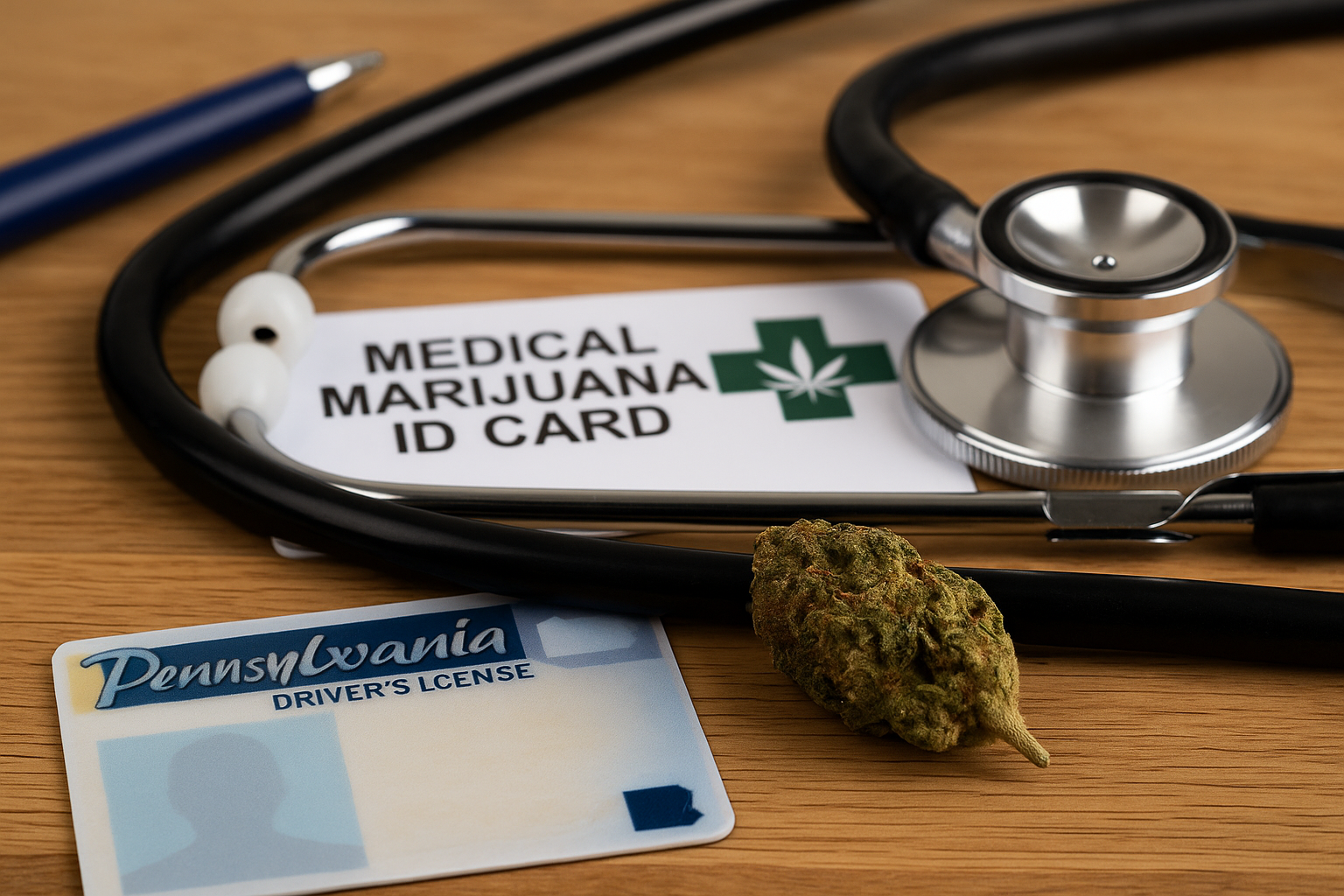
For patients seeking medical cannabis as an alternative therapy, accessing it has become more convenient in states that recognize muscular dystrophy as a qualifying condition. Services like Quick Med Cards offer a simple and streamlined process for patients to obtain a medical marijuana card. By connecting with an MMJ doctor, patients can explore whether medical cannabis is a suitable option for their condition and receive guidance on the appropriate strains and consumption methods.
Cheap Med Cards make it easy for patients with muscular dystrophy to access medical cannabis in a few easy steps. Pick your state below to speak to an ṁ and get your medical marijuana card:
Maine | Oklahoma | Missouri | Virginia
The Importance of a Holistic Approach:
While medical cannabis shows promise as an effective complementary therapy, it’s essential to remember that it is not a standalone cure for ṁ. Rather, it should be considered as part of a comprehensive treatment plan that incorporates conventional therapies, physical rehabilitation, and lifestyle adjustments. A holistic approach that combines various modalities can maximize the benefits and overall well-being of individuals living with muscular dystrophy.
Research Advancements and Future Outlook:
The potential benefits of medical cannabis for muscular dystrophy patients have sparked interest among researchers and medical professionals. As scientific studies continue to explore the therapeutic properties of cannabis, more evidence will be gathered to better understand its effectiveness in managing muscular dystrophy symptoms.
Clinical trials and rigorous research are essential to establish the safety, efficacy, and optimal dosages of medical cannabis for different types of muscular dystrophy. By gathering data from controlled studies, healthcare providers can make more informed recommendations to patients, ensuring they receive the best possible care.
Public Perception and Advocacy:
While medical cannabis has gained acceptance in many states, there may still be lingering misconceptions and stigmas surrounding its use. Public education and awareness campaigns are vital to foster a better understanding of medical cannabis and its potential benefits for those with muscular dystrophy and other qualifying conditions.
Advocacy groups and patient support networks can play a significant role in raising awareness about medical cannabis as an alternative therapy. These groups can provide valuable information, resources, and a sense of community for patients and their families navigating the complexities of muscular dystrophy management.
Spasms
Muscle spasms, characterized by the involuntary contraction of muscles, can cause sudden discomfort akin to cramps. Although these spasms can be distressing, various remedies exist to alleviate this symptom. Among these remedies, medical marijuana stands out as a promising option. Notably, CBD, a compound found in medical marijuana, has shown considerable potential in addressing muscle spasms. A noteworthy study conducted in 2007 by Collin et al. showcased CBD’s ability to reduce muscle spasms by an impressive 30% in individuals afflicted by multiple sclerosis.
Supporting Legislative Initiatives:
As the medical community gains more insight into the benefits of medical cannabis, lawmakers and policymakers need to consider the potential impact on patient care. Advocacy efforts can play a crucial role in supporting legislative initiatives that expand access to medical cannabis for those with qualifying conditions like muscular dystrophy.
Conclusion:
The potential of medical cannabis to improve the lives of muscular dystrophy patients is an exciting area of research and exploration. While more studies are needed to fully understand its efficacy and safety, the evidence so far indicates promising results in alleviating pain, inflammation, muscle cramps, anxiety, and depression.
Patients and healthcare providers alike should approach medical cannabis use with informed caution and a focus on patient safety. As the medical landscape evolves, medical cannabis may play an increasingly important role in a holistic approach to managing muscular dystrophy.