

How Can Medical Marijuana Help Epilepsy Patients?
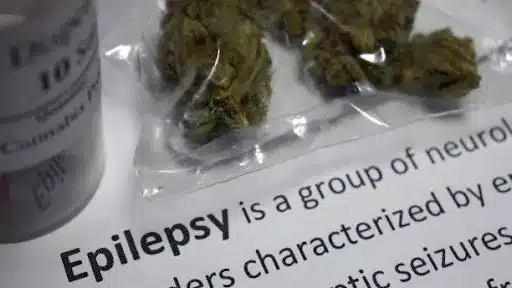
Medical marijuana has gained attention as an alternative treatment for epilepsy, especially for patients who do not respond to standard medications. Certain cannabinoids in medical marijuana, particularly CBD, have shown potential in reducing seizure frequency and severity, offering new hope to patients with hard-to-treat forms of epilepsy.
⊡
Understanding Cannabinoids
CBD and THC in Epilepsy Treatment, Cannabinoids are chemical compounds found in cannabis, with cannabidiol (CBD) and tetrahydrocannabinol (THC) being the most researched for medical use. Unlike THC, which is psychoactive, CBD does not produce a “high” and is linked to anticonvulsant effects. Studies have demonstrated that CBD can interact with the brain's receptors, potentially helping to calm neural activity and reduce seizure occurrence. In fact, the FDA-approved medication Epidiolex, which contains purified CBD, is specifically prescribed for two severe forms of epilepsy: Dravet syndrome and Lennox-Gastaut syndrome.
⊡ How CBD Impacts Seizure Activity in the Brain
Research suggests that CBD may impact seizure activity by interacting with serotonin and TRPV1 receptors, both involved in regulating neuronal excitability. By modulating these receptors, CBD can reduce abnormal brain activity associated with seizures. According to a 2020 study, patients using CBD experienced a 50% or greater reduction in seizure frequency. This effect has made CBD an appealing option for those who find little relief with standard anti-seizure medications.
⊡ Evidence from Clinical Studies on CBD for Epilepsy
Numerous clinical studies highlight CBD’s efficacy in epilepsy treatment. A landmark 2018 study published in
The New England Journal of Medicine showed that CBD reduced monthly seizures by up to 43% in patients with Dravet syndrome. In another study, Lennox-Gastaut syndrome patients reported a 44% reduction in seizures when treated with CBD. These findings reinforce the potential of medical marijuana, specifically CBD, in managing epilepsy symptoms, making it a valid option for patients and healthcare providers.
⊡ Safety Considerations and Side Effects of Medical Marijuana
While CBD is generally considered safe, medical marijuana use can have side effects. Common side effects include fatigue, diarrhea, and appetite changes, although these vary based on dosage and individual response. THC, when present in higher concentrations, can lead to psychoactive effects, which may not be suitable for all epilepsy patients, especially children. Therefore, patients should consult healthcare professionals to determine the appropriate form and dosage for their condition.
The Future of Medical Marijuana in Epilepsy Treatment
With ongoing research and FDA-approved treatments like Epidiolex, medical marijuana continues to hold promise in the treatment of epilepsy. Studies are expanding to understand how other cannabinoids, beyond CBD, may contribute to seizure management. The growing body of evidence and continued exploration of cannabis-based therapies may lead to more tailored and effective treatment options for epilepsy patients in the future.
Epilepsy Symptoms
- Recurrent seizures
- Temporary confusion or “brain fog”
- Uncontrollable jerking movements of the arms and legs
- Loss of consciousness or awareness
- Staring spells
- Sudden feelings of fear or anxiety
- Sensory disturbances (e.g., tingling, dizziness, or visual changes)
- Cognitive and memory issues
- Mood swings or behavioral changes
Medical Marijuana in Managing Epilepsy Symptoms
Medical marijuana, particularly cannabidiol (CBD), has shown promise in managing various epilepsy symptoms, especially for those with drug-resistant forms of the condition.
CBD’s interaction with brain receptors involved in neuronal excitability can help calm the excessive electrical activity that often triggers seizures, thereby reducing their frequency and intensity. Additionally, medical
marijuana may help alleviate associated symptoms such as anxiety, mood disturbances, and cognitive fog that often accompany epilepsy, offering patients a more comprehensive approach to symptom management.
Notably, the FDA-approved CBD-based drug Epidiolex is prescribed for severe epilepsy cases, indicating a growing acceptance of medical marijuana in managing this neurological disorder. While the exact mechanisms are still under investigation, early research suggests that medical marijuana could potentially improve the quality of life for epilepsy patients, providing relief where conventional medications may fall short.

How to Get Access to Medical Marijuana
Accessing medical marijuana for epilepsy requires a medical marijuana card, which is available in states where it is legally permitted. The process involves a few steps, including consultation with a licensed professional and submitting the necessary paperwork. Companies like Cheap Med Cards simplify this process by offering accessible online appointments with qualified medical professionals.
✓ Check Eligibility Requirements
Start by reviewing your state’s medical marijuana laws and confirming that epilepsy is a qualifying condition. Each state has its own list of conditions eligible for medical marijuana treatment, and most include drug-resistant epilepsy.
✓ Consult with a Licensed Medical Professional
Schedule an appointment with a certified healthcare provider to discuss your epilepsy and potential treatment with medical marijuana. Cheap Med Cards offers convenient online consultations with licensed professionals who can assess your eligibility for a medical marijuana card.
✓ Complete the Application Process
Once approved by a healthcare provider, you’ll need to submit your medical marijuana card application to your state’s health department. Cheap Med Cards provides guidance on
completing this process and ensures that all documentation is submitted accurately.
✓ Receive and Use Your Medical Marijuana Card
After approval, your medical marijuana card will be issued, granting you legal access to purchase medical marijuana from licensed dispensaries. This card allows you to legally obtain the medical marijuana necessary to manage epilepsy symptoms.