

Is Cannabis Beneficial For Your Immune System?
Scientific research indicates that cannabinoids found in cannabis, such as THC and CBD, exhibit properties that can positively impact immune function.
From anti-inflammatory effects to immunomodulation, cannabis-derived compounds have shown potential in supporting a healthy immune response.
However, it’s important to understand the nuances and potential risks associated with cannabis use in this context.
In this article, we’ll explore the scientific evidence behind the potential benefits of cannabis for the immune system, as well as considerations to keep in mind.
Cannabinoids and Immune Regulation
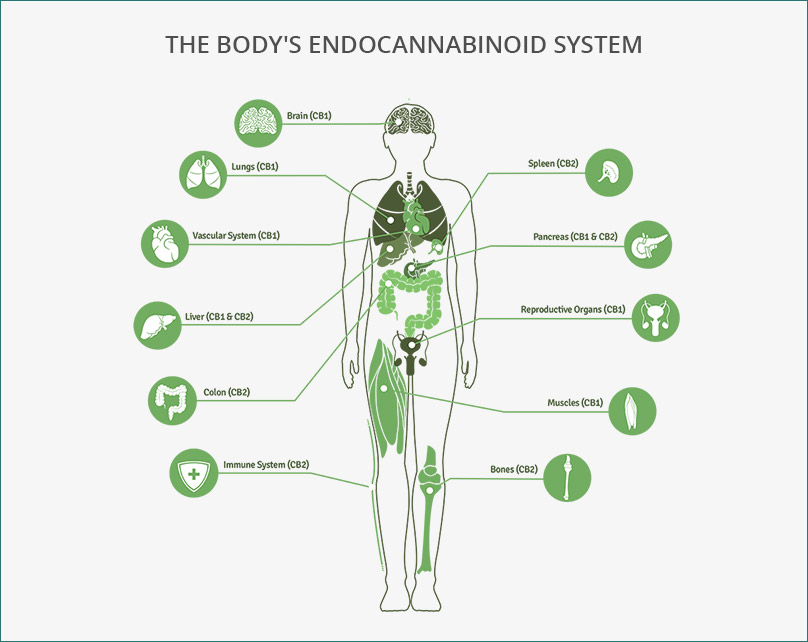
Cannabinoids, such as THC and CBD, interact with the endocannabinoid system to regulate immune responses. This modulation influences the body’s defense against pathogens and supports overall health.
Research suggests cannabinoids possess immunomodulatory properties, potentially enhancing the immune system’s ability to combat infections and manage immune-related conditions.
Understanding cannabinoids’ role in immune regulation is crucial for exploring their therapeutic potential and promoting immune health.
8 Benefits of Cannabis for Your Immune System
From its anti-inflammatory effects to its ability to support immune regulation, cannabis offers a range of advantages for your immune system.
Explore how cannabinoids like THC and CBD can help manage pain, stimulate appetite, reduce stress, and improve sleep.
1. Anti-inflammatory properties
Cannabinoids like THC (tetrahydrocannabinol) and CBD (cannabidiol) exhibit potent anti-inflammatory effects by interacting with the body’s endocannabinoid system.
These compounds help reduce inflammation throughout the body, potentially alleviating symptoms associated with immune-related conditions and supporting optimal immune function.
2. Immunomodulatory effects
Research indicates that cannabinoids interact with the endocannabinoid system. This is a complex network of receptors and molecules involved in regulating various physiological processes, including immune function.
By modulating immune responses, cannabinoids have the potential to enhance the body’s ability to regulate immune function effectively, contributing to overall health and well-being.
3. Pain management
Cannabis contains cannabinoids that effectively manage pain associated with autoimmune disorders and other immune-related conditions. THC, in particular, targets pain receptors in the body, providing relief for individuals experiencing discomfort while minimizing the need for traditional pain medications that may have adverse side effects.
4. Appetite stimulation
THC also stimulates appetite by interacting with specific receptors in the brain responsible for regulating hunger.
This appetite-stimulating effect can be particularly beneficial for individuals undergoing immune-suppressive treatments that may lead to appetite loss, helping them maintain adequate nutrition and support their overall health.
5. Stress reduction
Consumption of cannabis has been associated with reduced stress levels due to its effects on the endocannabinoid system and other neurotransmitter systems in the brain.
By promoting relaxation and reducing anxiety, cannabis can positively impact immune function, as chronic stress has been linked to immune system suppression and increased susceptibility to illness.
6. Sleep improvement
Certain cannabinoids, such as CBD, have shown promise in improving sleep quality by modulating neurotransmitter systems involved in sleep regulation.
By promoting relaxation and reducing insomnia symptoms, cannabis-derived compounds can support a healthy sleep cycle. This is essential for maintaining a strong immune system and overall well-being.
7. Management of immune-related conditions
Preliminary research suggests that cannabis may offer therapeutic benefits in managing immune-related conditions such as inflammatory bowel disease (IBD), rheumatoid arthritis (RA), and multiple sclerosis (MS).
Cannabinoids exert anti-inflammatory, analgesic, and immunomodulatory effects, potentially reducing symptoms and improving quality of life for individuals with these conditions.
8. Antioxidant properties
Certain cannabinoids found in cannabis possess antioxidant properties, meaning they can neutralize harmful free radicals and reduce oxidative stress in the body.
By protecting cells from oxidative damage, these compounds support cellular health and contribute to a robust immune system. You can help your body defend against infections and diseases using medical cannabis.
Understanding the Immune System
The immune system serves as the body’s defense mechanism against harmful pathogens, including bacteria, viruses, and other microorganisms.
It consists of a complex network of cells, tissues, and organs working together to identify and neutralize foreign invaders while distinguishing them from the body’s own cells. Key components of the immune system include white blood cells, antibodies, lymph nodes, and the thymus gland.
Understanding the immune system’s function is essential for grasping how various factors, such as lifestyle choices and medical interventions, can influence its effectiveness in protecting against illnesses and promoting overall health.
Are There CBD Supplements to Improve Immune System Function?
CBD supplements are increasingly recognized for their potential in supporting immune system function. While further research is needed, preliminary findings suggest that CBD supplements could hold promise for supporting overall immune health.
As always, it’s important to consult with your trusted healthcare professional before incorporating any new supplement, including CBD, into your routine. Once you have done that, here are some reliable brands you can check out:
Cornbread Hemp
CBDfx
Joy Organics
Medterra
Aspen Green
Soul CBD
cbdMD
PlusCBD
Risks and Considerations Before Using Cannabis for Immune System Improvement
Before incorporating cannabis into your regimen for immune system improvement, it’s essential to understand potential risks and considerations:
Legal Status: Cannabis laws vary by location, so ensure compliance with local regulations before use.
Side Effects: Common side effects of cannabis may include dizziness, dry mouth, and impaired coordination.
Drug Interactions: Cannabis may interact with certain medications, so consult with a healthcare professional before use.
Psychoactive Effects: THC, a compound in cannabis, can cause psychoactive effects, affecting cognition and perception.
Dependency Risk: Long-term use of cannabis may lead to dependency and withdrawal symptoms.
Adolescents and Pregnant Women: Cannabis use is not recommended for adolescents or pregnant women due to potential developmental risks.
Quality and Dosage: Ensure quality products and accurate dosing when using cannabis for immune system improvement.
Understanding these risks and considerations is crucial for making informed decisions about cannabis use for immune system support.
Closing Thoughts
Cannabis and its components, such as THC and CBD, show promise in supporting immune system function through their anti-inflammatory and immunomodulatory properties.
However, as the scientific understanding of cannabis and its effects on the immune system continues to evolve, further research is warranted to fully elucidate its therapeutic potential in promoting immune health.
Consulting with a healthcare professional is essential to make informed decisions tailored to your individual health needs.