

What is ALS?
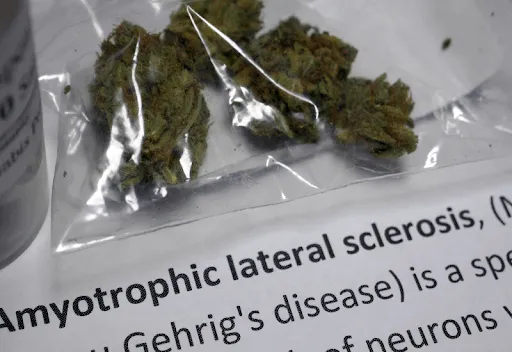
Amyotrophic lateral sclerosis (ALS) is a progressive neurodegenerative disease that affects nerve cells in the brain and spinal cord, leading to a loss of muscle control over time. As motor neurons degenerate, the brain loses the ability to communicate with muscles, causing weakness and paralysis.
Symptoms of ALS include:
☒ Muscle weakness and twitching
☒ Difficulty speaking or swallowing
☒ Loss of coordination and balance
☒ Stiffness and spasticity
☒ Fatigue and breathing difficulties
While there is no cure, treatments aim to slow progression and improve quality of life.

Marijuana and ALS
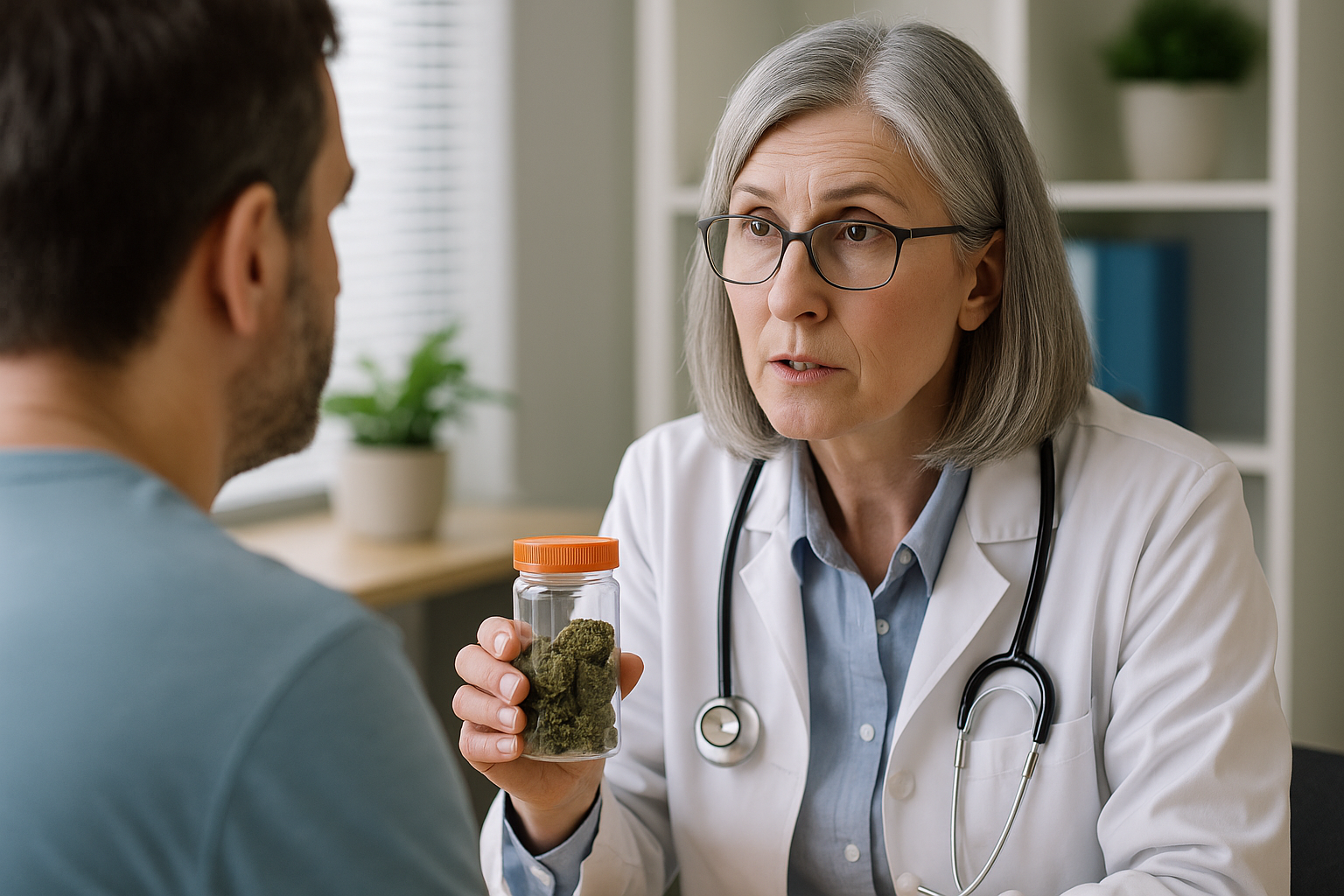
As ALS progresses, patients often seek alternative treatments to manage symptoms, and medical marijuana has gained attention as a potential option. Research into cannabis and ALS is still evolving, but several studies suggest that cannabinoids may play a role in symptom management.
A 2010 study published in The American Journal of Hospice & Palliative Medicine highlighted the potential of THC and CBD in addressing ALS-related issues like muscle spasticity and appetite loss. Additionally, a 2015 review in Neurotherapeutics explored how cannabinoids interact with the endocannabinoid system, which is involved in neuroprotection and inflammation regulation—both crucial factors in ALS progression.
Benefits of Using Medical Cannabis for ALS
While it is not a cure, research suggests that cannabinoids like THC and CBD may help improve quality of life by targeting key issues associated with the disease. Below, we explore the specific benefits backed by scientific studies and patient experiences.
1. Pain Relief
Chronic pain is a common symptom in ALS, often resulting from muscle cramps, spasticity, and nerve degeneration. A study published in Neurotherapeutics (2015) found that cannabinoids interact with the body's endocannabinoid system to regulate pain perception. THC, in particular, binds to CB1 receptors in the nervous system, reducing pain signals and providing relief without the side effects of opioids. Many ALS patients report decreased pain levels after using medical cannabis, improving their daily comfort.
2. Reduced Muscle Spasticity and Cramps
Muscle spasticity and involuntary cramps are hallmark symptoms of ALS, leading to stiffness and discomfort. A 2010 study in The American Journal of Hospice & Palliative Medicine suggested that cannabis compounds help relax muscles by modulating neurotransmitter release. Additionally, anecdotal evidence from ALS patients indicates that cannabis-based treatments can significantly reduce the severity and frequency of painful spasms.

3. Improved Sleep Quality
Sleep disturbances are common in ALS due to pain, muscle rigidity, and breathing difficulties. A 2019 study in Frontiers in Neurology found that medical cannabis improved sleep patterns in patients with neurodegenerative diseases by promoting relaxation and reducing anxiety. THC has sedative properties that can help ALS patients fall asleep faster and stay asleep longer, leading to better overall rest and recovery.
4. Appetite Stimulation and Weight Maintenance
ALS can cause weight loss due to muscle atrophy and difficulties with swallowing. Cannabis, particularly THC, is known for its appetite-stimulating effects, often referred to as the “munchies.”
A clinical study in Neurology (2001) observed that THC increased appetite and caloric intake in patients with similar neurodegenerative conditions. By helping ALS patients maintain a healthy weight, cannabis may support overall well-being and energy levels.
5. Potential Neuroprotective Effects
Emerging research suggests that cannabinoids may have neuroprotective properties, potentially slowing ALS progression. A 2004 study published in Amyotrophic Lateral Sclerosis and Other Motor Neuron Disorders indicated that cannabinoids reduced oxidative stress and inflammation—two factors implicated in motor neuron degeneration.
While more clinical trials are needed, these findings suggest that cannabis could offer more than just symptom relief.

Different Cannabis Products for ALS
Medical cannabis is available in various forms, allowing ALS patients to choose products that best suit their needs and comfort levels. Each method of consumption offers different onset times and effects, making it important to find the right option for symptom relief.
☑ Oils and Tinctures
Liquid cannabis extracts that can be taken sublingually (under the tongue) for fast absorption. They offer precise dosing and long-lasting effects, making them a popular choice for symptom management.
☑ Edibles
Cannabis-infused foods, such as gummies or baked goods, provide long-lasting relief but take longer to take effect. Ideal for patients looking for sustained symptom control without frequent dosing.
☑ Capsules and Tablets
Pre-measured doses of cannabis extract in pill form, offering a discreet and controlled way to consume cannabis without smoking or vaping.
☑ Vaporized Cannabis
Inhalation via a vaporizer provides fast-acting relief for symptoms like pain and muscle spasticity. It avoids combustion, making it a safer alternative to smoking.
☑ Topicals
Cannabis-infused creams and balms that can be applied directly to affected areas for localized relief of muscle pain and stiffness.
☑ Medical Cannabis Flower
Traditional dried cannabis that can be smoked or vaporized for immediate effects. While not suitable for everyone, some ALS patients prefer this method for quick symptom relief.

Do I Need a Med Card for Buying Marijuana Products?
Yes, in most states, ALS patients need a medical marijuana card to legally purchase cannabis products from licensed dispensaries. While recreational marijuana is legal in some regions, medical cannabis programs often provide access to higher-potency products, lower taxes, and legal protections that can benefit ALS patients seeking consistent symptom relief. Given that ALS is a qualifying condition for medical marijuana in many states, obtaining a med card is typically a straightforward process.
At Cheap Med Cards, we make it easy for ALS patients to get certified through a simple, affordable, and fast online evaluation with licensed healthcare providers. A medical card ensures you have access to the most effective cannabis options tailored to your needs while staying compliant with state laws. If you or a loved one is managing ALS and considering medical cannabis, getting your med card can be a crucial first step toward better symptom management.