Marijuana for Cancer: Highly Effective or Glass Hammer?
Cancer remains one of the most formidable health challenges, affecting millions worldwide with its complex symptoms and grueling treatments. As patients seek relief from pain, nausea, and emotional distress, medical marijuana has emerged as a potential ally in cancer care. In states like Maine, where the Medical Marijuana Program facilitates access to cannabis, patients are increasingly exploring its benefits. But is marijuana a highly effective tool for managing cancer symptoms, or is it a fragile solution that shatters under scrutiny? This article examines the science, patient experiences, and practical considerations of using marijuana for cancer, offering a balanced perspective to guide patients and caregivers.
The Role of Marijuana in Cancer Care
Medical marijuana is not a cure for cancer, but it has gained attention for its ability to alleviate symptoms associated with the disease and its treatments, such as chemotherapy. Cannabinoids—primarily THC (tetrahydrocannabinol) and CBD (cannabidiol)—interact with the body’s endocannabinoid system, which regulates pain, appetite, and mood. These interactions can provide relief where traditional medications fall short. For a deeper dive into cannabis’s pain-relieving properties, our blog on
how marijuana helps with pain explores its mechanisms in detail.
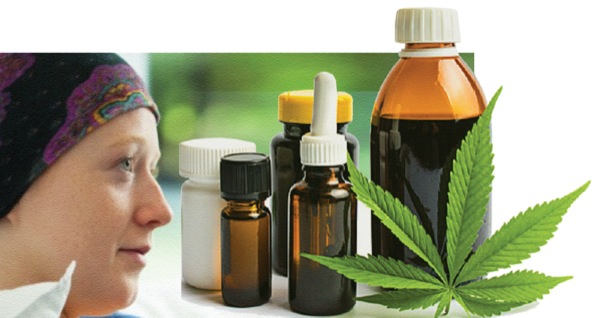
Key Symptoms Marijuana May Address
Cancer patients often face a range of symptoms, from physical discomfort to psychological strain. Research and patient reports suggest marijuana may help with:
- Nausea and Vomiting: THC is known to reduce chemotherapy-induced nausea, a benefit recognized by the FDA in approving synthetic THC drugs like dronabinol.
- Pain: Both THC and CBD can alleviate chronic pain, including neuropathic pain common in cancer patients.
- Appetite Loss: Cannabis can stimulate appetite, helping patients combat cachexia (wasting syndrome).
- Anxiety and Depression: CBD may promote relaxation and reduce anxiety, improving emotional well-being.
A 2018 study in the
Journal of Palliative Medicine found that 96% of cancer patients reported symptom improvement with medical cannabis, particularly for pain and nausea. However, the effectiveness varies by individual, and not all patients respond positively. Our article on
cannabis use in cancer care provides further insights into its therapeutic potential.
Benefits of Marijuana for Cancer Patients
For many cancer patients, medical marijuana offers a versatile tool to manage multiple symptoms simultaneously. Key benefits include:
- Non-Addictive Pain Relief: Unlike opioids, cannabis has a lower risk of physical dependence, making it a safer option for long-term pain management.
- Improved Quality of Life: By reducing nausea and boosting appetite, marijuana can help patients maintain strength during treatment.
- Emotional Support: Cannabis may ease anxiety and depression, offering psychological relief during a challenging diagnosis.
In Maine, cancer is a qualifying condition for the Medical Marijuana Program, allowing patients to access high-quality cannabis products legally. To learn more about accessing cannabis in Maine, our blog on
gaining cannabis access in Maine outlines the steps to obtain a medical card.
Patient Experiences and Anecdotal Evidence
Many cancer patients report significant relief from marijuana, particularly when conventional treatments fail. For example, patients undergoing chemotherapy often praise cannabis for curbing nausea and restoring appetite, enabling them to tolerate treatment better. Organizations like the
American Cancer Society acknowledge marijuana’s potential for symptom management, though they emphasize the need for more research. Some patients, however, find that high-THC products cause dizziness or anxiety, underscoring the importance of tailored dosing.
Risks and Limitations of Marijuana for Cancer
While marijuana holds promise, it’s not a universal solution and comes with potential drawbacks. Concerns include:
- Psychoactive Effects: THC can cause euphoria, confusion, or anxiety, which may be unsettling for some patients.
- Limited Research: While symptom relief is well-documented, evidence on marijuana’s anti-cancer properties (e.g., tumor reduction) is preliminary and inconclusive.
- Drug Interactions: Cannabis may interact with chemotherapy drugs or other medications, requiring careful monitoring.
A 2021 review in
Frontiers in Oncology noted that while cannabinoids show anti-tumor potential in preclinical studies, human trials are lacking. Patients should consult their oncologist before using cannabis, especially during active treatment. For guidance on safe consumption, our blog on
smoking vs. edibles compares delivery methods to suit individual needs.
Can Marijuana Treat Cancer Itself?
Some studies suggest cannabinoids may inhibit tumor growth or induce cancer cell death in lab settings, but these findings are far from conclusive. Claims that cannabis “cures” cancer are largely anecdotal and not supported by robust clinical evidence. Patients should be wary of unverified claims and focus on marijuana’s proven benefits for symptom management. Our article on
FDA-approved cannabis research explores the rigorous process behind validating cannabis-based treatments.
Using Marijuana in Maine’s Medical Marijuana Program
Maine’s Medical Marijuana Program offers cancer patients a streamlined path to access cannabis. With no application fees and a flexible list of qualifying conditions, the program allows patients to purchase up to 2.5 ounces of cannabis and cultivate six mature plants. Licensed dispensaries, such as Wellness Connection of Maine, provide a range of products tailored to medical needs, from high-CBD tinctures to THC-rich edibles. For more on dispensary options, our blog on
Delaware’s dispensary landscape offers a comparative look at regional markets.
Choosing the Right Cannabis Products
Selecting the appropriate cannabis product is critical for cancer patients. Recommendations include:
- Edibles or Tinctures: These provide long-lasting relief for pain and nausea without the risks of smoking.
- High-CBD Strains: Strains like Charlotte’s Web are ideal for anxiety and inflammation without strong psychoactive effects.
- Low-Dose THC: Start with 2.5–5 mg of THC to manage nausea or appetite loss, adjusting as needed.
Patients should work with dispensary staff and their healthcare provider to find the right balance. Our guide on
best edibles for chemo patients offers specific recommendations for chemotherapy-related symptoms.
Legal and Practical Considerations
In Maine, cancer patients with a medical marijuana card enjoy legal protections, including tax exemptions on cannabis purchases and access to higher-potency products. However, public consumption is prohibited, and workplace policies may restrict cannabis use. Patients should also ensure their cannabis use aligns with their treatment plan, as interactions with medications are possible. For more on navigating legal nuances, our article on
Pennsylvania’s drug testing laws sheds light on workplace considerations.
Working with Healthcare Providers
A trusted healthcare provider is essential for integrating marijuana into cancer care. In Maine, registered physicians, nurse practitioners, or physician assistants can certify patients for the Medical Marijuana Program. Look for providers with experience in oncology and cannabis therapy. Our blog on
finding a marijuana doctor online provides tips for selecting a qualified professional. Open communication with your oncologist ensures cannabis complements, rather than conflicts with, your treatment.
Conclusion
Marijuana for cancer is neither a miraculous cure nor a useless tool—it’s a nuanced option with significant potential for symptom relief. For many patients, cannabis effectively manages pain, nausea, and appetite loss, improving quality of life during a challenging time. However, its psychoactive effects, limited research on anti-cancer properties, and potential drug interactions require careful consideration. In Maine’s patient-friendly Medical Marijuana Program, cancer patients have a legal and accessible pathway to explore cannabis under medical guidance. By choosing the right products and working closely with healthcare providers, patients can determine if marijuana is a highly effective ally in their cancer journey or a fragile solution best used cautiously.