
Hope and Relief: How Medical Cannabis May Help Patients With Muscular Dystrophy
Muscular dystrophy (MD) encompasses a group of genetic diseases characterized by progressive muscle weakness and degeneration. While there’s currently no cure, researchers and patients are exploring various avenues to manage the debilitating symptoms associated with MD, such as muscle pain, spasms, inflammation, and sleep disturbances. Emerging evidence and anecdotal accounts suggest that medical cannabis may offer a valuable tool in alleviating some of these challenges, potentially improving the quality of life for individuals living with muscular dystrophy. If you or a loved one is affected by MD and seeking complementary therapies, understanding how medical cannabis might help could be a significant step forward. Learn more about medical marijuana for muscular dystrophy.
Understanding Muscular Dystrophy and Its Symptoms
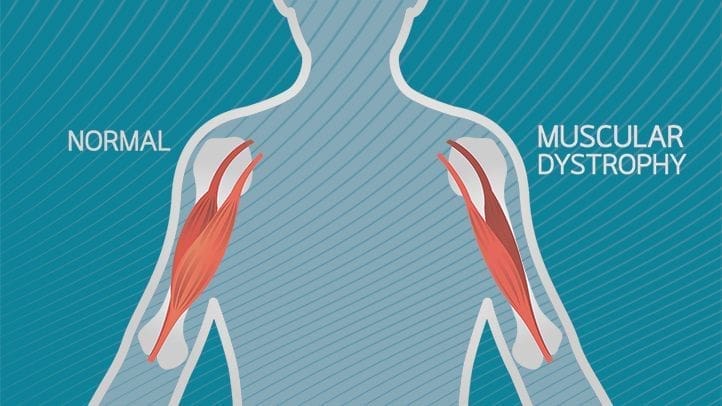
Muscular dystrophy is not a single disease but a collection of over 30 genetic disorders that cause progressive weakness and loss of muscle mass. Different forms of MD can vary in age of onset, the muscles primarily affected, and the severity of progression. However, many individuals with MD experience common symptoms that can significantly impact their daily lives, including chronic muscle pain, involuntary muscle spasms (spasticity), inflammation, fatigue, sleep difficulties, and sometimes anxiety or depression related to managing a chronic and progressive condition. Finding effective ways to manage these symptoms is crucial for improving comfort and maintaining functional independence. Explore chronic pain management.
The Endocannabinoid System and Muscular Dystrophy
The body’s endocannabinoid system (ECS) plays a vital role in regulating various physiological processes, including pain perception, inflammation, muscle tone, and sleep. Cannabinoids, the active compounds in cannabis, interact with the ECS receptors (CB1 and CB2) to produce various effects. In the context of muscular dystrophy, it’s hypothesized that cannabinoids may help modulate some of the underlying mechanisms contributing to the symptoms. For instance, the anti-inflammatory properties of certain cannabinoids could potentially help reduce muscle inflammation, while others might help alleviate pain by interacting with pain pathways in the nervous system. This interaction with the ECS is a key reason why medical cannabis is being explored for a growing number of conditions. Learn about cannabis and the immune system.
Potential Ways Medical Cannabis May Provide Relief for MD Symptoms
While research specifically investigating the effects of medical cannabis on muscular dystrophy is still in its early stages, preliminary studies and anecdotal evidence suggest several potential benefits:
- Pain Management: Chronic muscle pain is a significant challenge for many individuals with MD. Certain cannabinoids, particularly THC and CBD, have shown promise in preclinical and clinical studies for their analgesic (pain-relieving) properties. They may interact with pain receptors in the brain and nervous system to reduce the perception of pain. This aligns with the broader understanding of how Marijuana for Pain: Understand How Marijuana Helps with Pain.
- Muscle Spasm Reduction: Spasticity, or involuntary muscle spasms, can be another debilitating symptom of some forms of MD. Certain cannabinoids, particularly THC, have demonstrated muscle-relaxant effects in some individuals, potentially helping to reduce the frequency and severity of these spasms.
- Inflammation Modulation: Inflammation contributes to muscle damage and pain in MD. CBD, in particular, has shown significant anti-inflammatory properties in various studies by interacting with the ECS and other inflammatory pathways. Reducing inflammation could potentially help slow down muscle degeneration and alleviate pain.
- Improved Sleep: Sleep disturbances are common in individuals with chronic pain and neuromuscular conditions. The relaxing and pain-relieving effects of certain cannabis strains and cannabinoids may help improve sleep quality and duration. Learn how medical marijuana can help you sleep better.
- Anxiety and Mood Support: Living with a progressive condition like MD can understandably lead to anxiety and depression. Some individuals report that certain cannabis strains can help improve mood and reduce anxiety levels. However, it’s crucial to choose strains carefully, as some can exacerbate anxiety in certain individuals, as discussed in our blog on Medical Marijuana Best Strains for PTSD and Anxiety.
Important Considerations for MD Patients Considering Medical Cannabis
If you are considering medical cannabis for managing your muscular dystrophy symptoms, it’s crucial to approach it with careful consideration and under the guidance of healthcare professionals:
- Consult Your Neurologist and a Cannabis-Friendly Physician: It’s essential to discuss your interest in medical cannabis with your neurologist and seek out a physician who is knowledgeable about cannabis and its potential therapeutic uses for neuromuscular conditions. They can help assess if it’s a suitable option for you and guide you on dosage and product selection. Find a cheap online doctor for consultation.
- Start with Low Doses and Go Slow: When trying cannabis for the first time, or when trying a new product, it’s generally recommended to start with a low dose and gradually increase it while carefully monitoring the effects.
- Consider Different Consumption Methods: Medical cannabis can be consumed in various ways, including oils, edibles, vaporizers, and topicals. The onset of effects and duration vary depending on the method, and your physician can help you determine the most appropriate option for your needs. Exploring Smoking vs. Edibles – Which Marijuana is the Best for You?.
- Be Aware of Potential Side Effects and Interactions: Like any medication, cannabis can have potential side effects and may interact with other medications you are taking. Your physician can help you understand these risks. Learn about using medical marijuana with other medications.
- Understand Legal Regulations: Ensure you are aware of and comply with the medical cannabis laws in your state, such as the process for obtaining a medical marijuana card if required, as outlined in guides like How Can I Get Medical Marijuana in Virginia?.
The Importance of Research and Individualized Treatment
While the anecdotal evidence and preliminary research are encouraging, more rigorous scientific studies are needed to fully understand the efficacy and safety of medical cannabis for managing the specific symptoms of different types of muscular dystrophy. Treatment with medical cannabis should always be individualized, taking into account the specific type of MD, the individual’s symptoms, overall health, and response to different cannabis products and dosages.
Conclusion: Exploring a Potential Adjunctive Therapy for Muscular Dystrophy
Medical cannabis holds promise as a potential adjunctive therapy for managing some of the challenging symptoms associated with muscular dystrophy, such as chronic pain, muscle spasms, inflammation, and sleep disturbances. By interacting with the body’s endocannabinoid system, cannabinoids may offer a degree of relief and improved quality of life for individuals living with these progressive conditions. However, it’s crucial for patients to approach medical cannabis with informed caution, under the guidance of knowledgeable healthcare professionals, and within the legal framework of their state. As research in this area continues to evolve, medical cannabis may become an increasingly recognized and valuable tool in the comprehensive management of muscular dystrophy. Track the effectiveness of your medical cannabis treatment.