
Are There Discounts for Veterans or Low-Income Patients Seeking Medical Marijuana Cards?
Accessing medical marijuana can significantly improve the quality of life for many individuals battling chronic conditions. However, the costs associated with obtaining a medical marijuana card can be a barrier for some. This is why many are interested in exploring potential discounts or financial assistance programs. This blog post will examine whether discounts exist for veterans and low-income patients seeking medical cannabis cards, and explore some of the challenges and opportunities involved.
Veterans and Medical Marijuana Cards: Access and Affordability
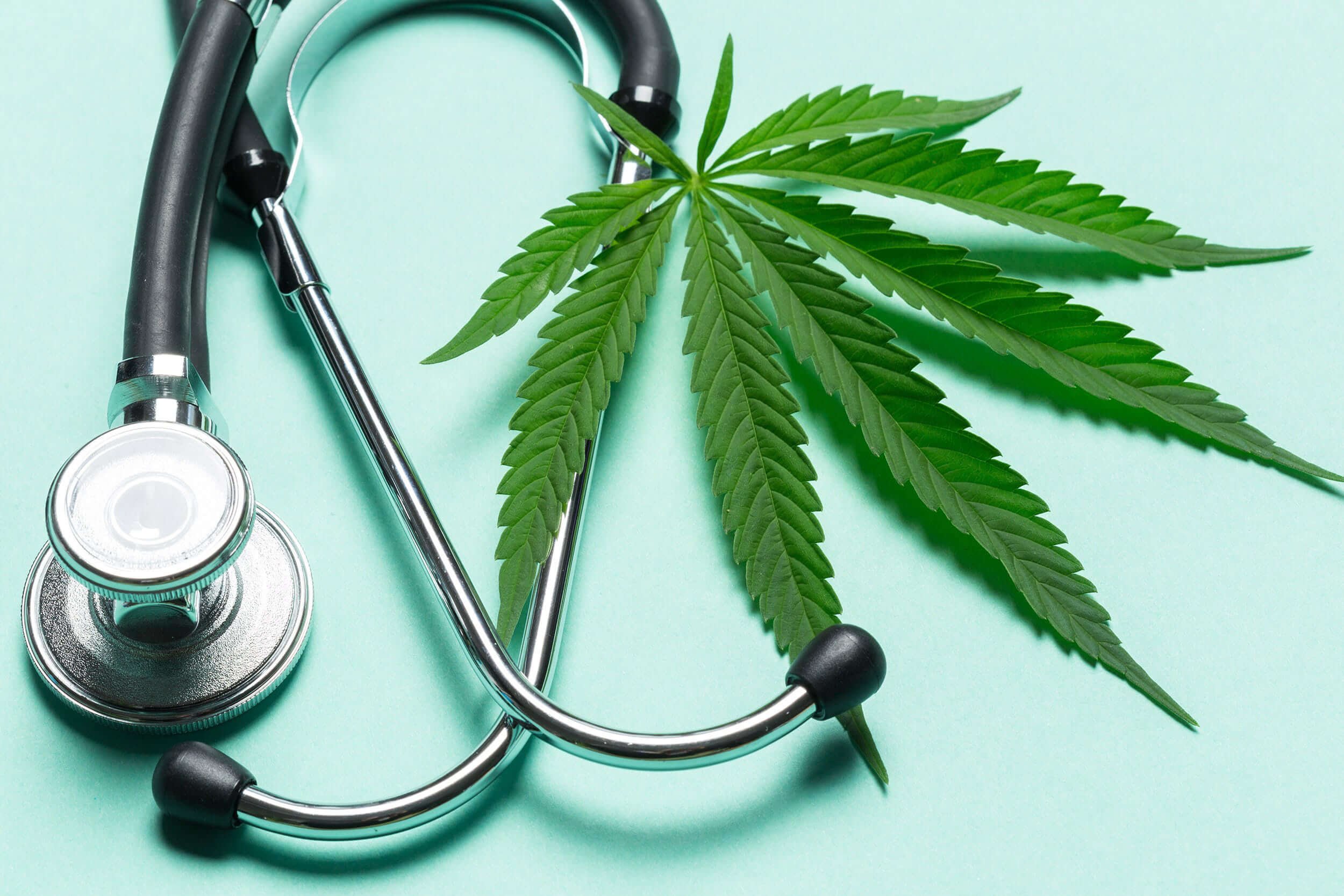
Many veterans struggle with chronic pain, PTSD, and other conditions that could benefit from medical cannabis. Unfortunately, the cost of obtaining a medical marijuana card can be prohibitive for some veterans, particularly those on fixed incomes or dealing with service-related disabilities. While there isn’t a nationwide program offering direct discounts for veterans on medical cannabis cards, some states are exploring the possibility. It’s important to remember that each state has its own specific requirements and policies regarding medical marijuana, as our blog post on state-specific cannabis laws explains. Therefore, it’s essential to check your state’s regulations to see if any veteran-specific programs are available.
For those struggling with the financial burden of obtaining a medical card, exploring options for financial assistance or looking into veterans’ organizations for possible aid could be helpful. Some veterans may qualify for assistance through their VA benefits, but this isn’t always directly applicable to medical marijuana costs. Understanding how HIPAA protects your medical marijuana status, as outlined in our HIPAA blog post, is also essential.
State-Specific Veteran Programs: A Closer Look
Several states are beginning to address the specific needs of veteran patients. For example, some states may offer reduced fees or expedited processing for veteran applications. However, this is not a universal practice, and you’ll need to research your specific state’s regulations thoroughly. You can learn more about the programs in specific states through our state-specific resources. For example, learn more about the programs in Virginia via this blog post about Virginia’s medical marijuana card program or explore the Florida program here or the West Virginia program here.
Low-Income Patients and Medical Marijuana Access
Similar to veterans, many low-income individuals face financial hurdles when it comes to obtaining a medical marijuana card. The cost of medical evaluations, application fees, and ongoing dispensary purchases can strain limited budgets. Unfortunately, widespread discounts explicitly for low-income patients aren’t currently a common feature across all states with medical marijuana programs.
However, several states have initiatives focused on ensuring equitable access to healthcare, including medical marijuana. These often involve sliding scale fee structures based on income at clinics that offer cannabis evaluations. It’s crucial to search for clinics in your area that offer financial assistance or reduced fees. Additionally, it may be helpful to look into local charities or non-profit organizations that provide financial assistance for healthcare costs; you may find aid through this route.
Navigating the Financial Landscape of Medical Marijuana
Even with a medical marijuana card, the cost of cannabis products can be substantial. It is advisable to budget for this cost when making your decisions. Remember, to learn how to maximize the effect of your treatment, our blog on tracking your cannabis treatment effectiveness is a helpful resource.
Finding Affordable Access: Resources and Strategies
For veterans and low-income patients seeking affordable access to medical marijuana, several strategies exist: contacting your state’s health department to inquire about assistance programs; contacting local non-profit organizations; reaching out to veterans’ advocacy groups; exploring community health clinics that offer sliding-scale fees; and carefully researching various dispensaries to compare prices and products. Before starting any medical marijuana treatment, it’s a good idea to consult with your doctor, as addressed in our blog post on combining medical marijuana with other medications. Understanding your health needs will help inform your treatment plan and decisions on purchasing.
Conclusion: Advocating for Accessible Medical Marijuana
While universal discounts for veterans and low-income patients seeking medical marijuana cards aren’t yet widespread, there’s growing recognition of the need for greater accessibility. Many individuals are working to advocate for equitable access to medical cannabis. By researching state-specific programs, exploring financial assistance options, and supporting organizations fighting for patient rights, we can all contribute to ensuring that medical marijuana is truly accessible to all who may benefit from it. Remember to consult our blog on self-assessing your suitability for medical marijuana to get started.