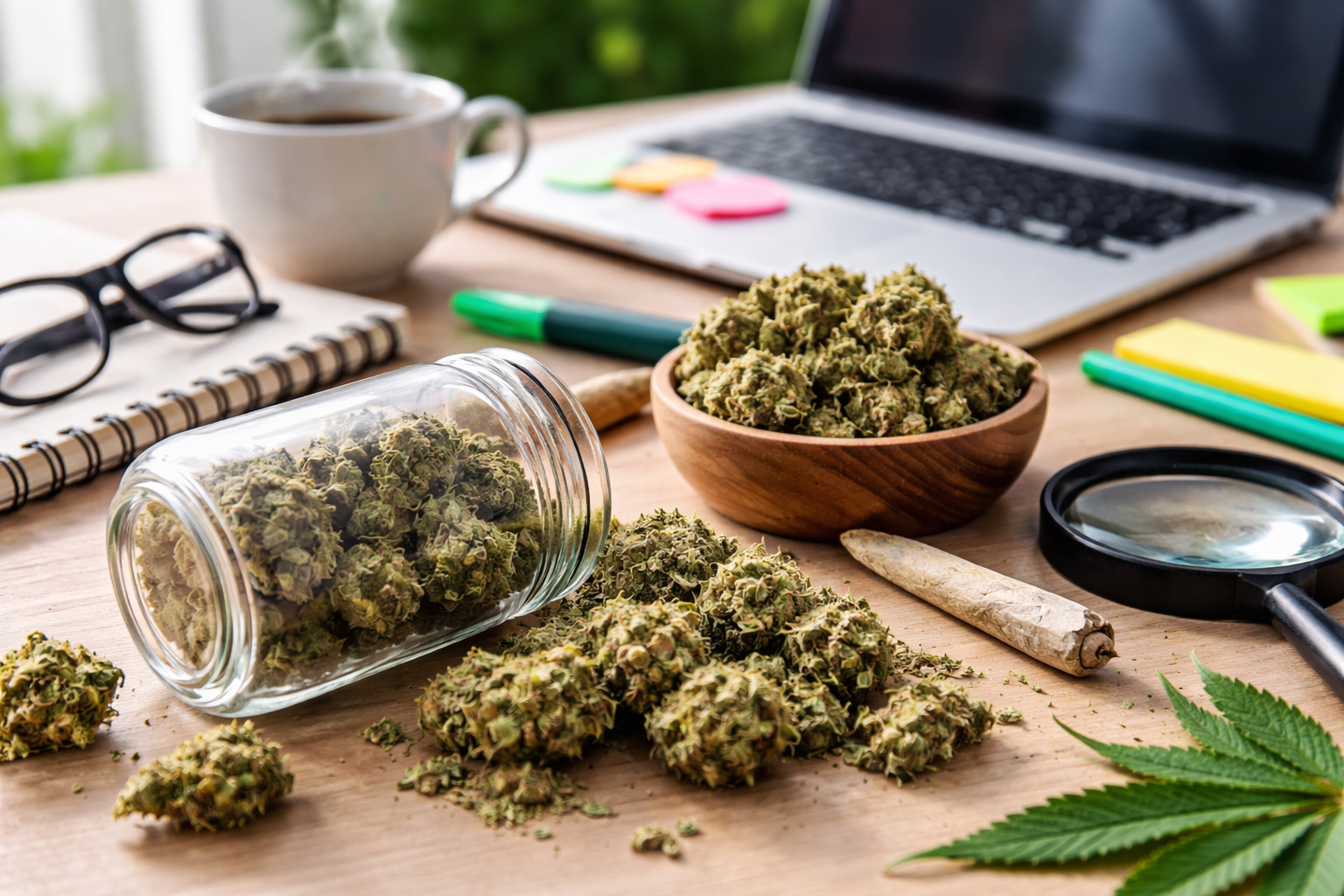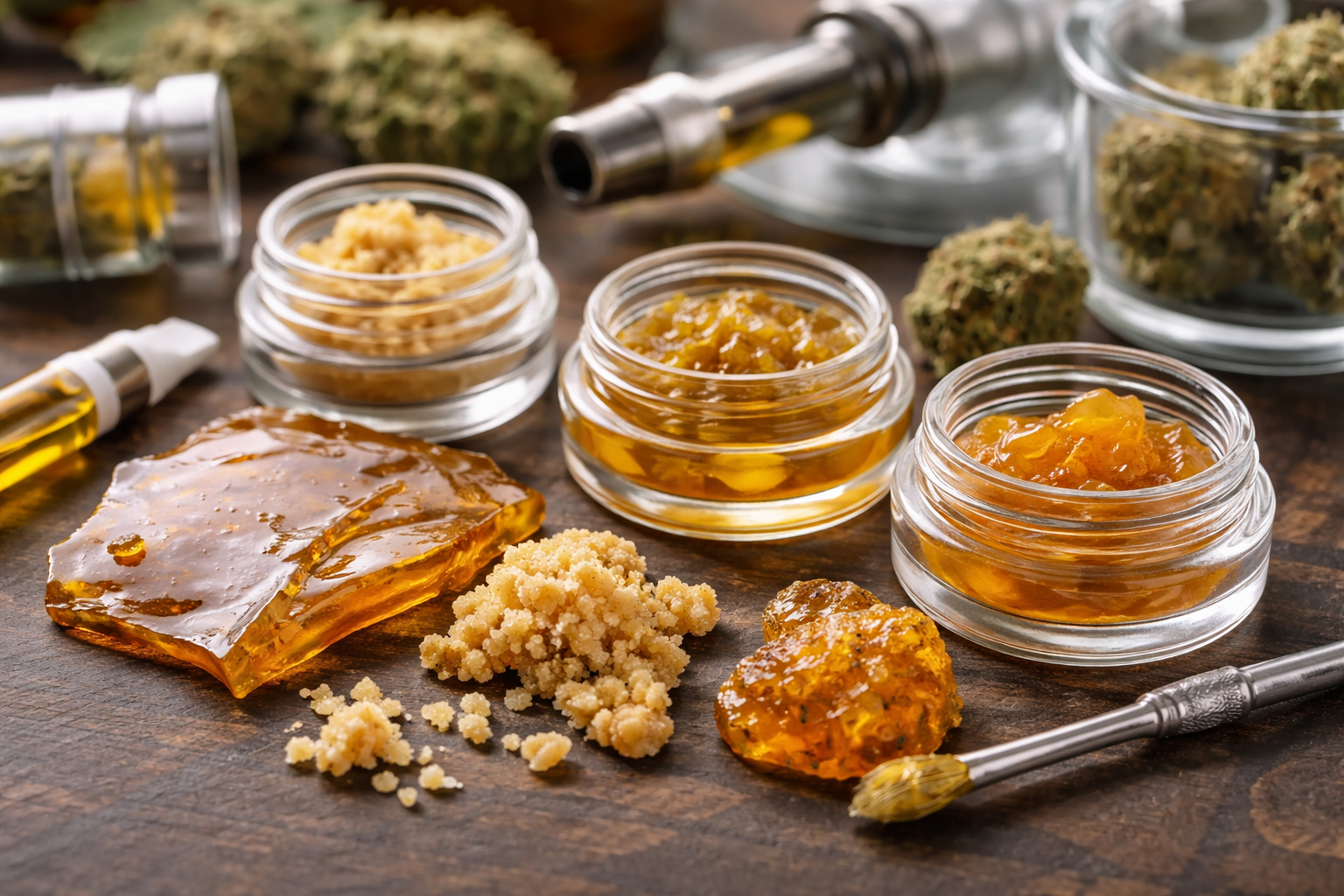

Tolerance builds fast, and that once reliable high can start to feel weaker or harder to reach. A tolerance break resets that baseline so cannabis feels effective again.
This guide explains how long to pause, what to expect, and how to handle the process without unnecessary struggle.
What is a Cannabis Tolerance Break?
A cannabis tolerance break is a planned pause from using cannabis to let the body reset its sensitivity to THC. Regular use can reduce how strongly cannabis affects the brain, which leads to weaker effects over time.
Taking a break allows those receptors to recover, so smaller amounts feel effective again once use resumes.
How Long Should I Take a Cannabis Tolerance Break?
The ideal length depends on how often cannabis gets used and how high tolerance has climbed. Most people notice results within a short window, but a longer pause creates a stronger reset.
For many users, these timelines work well:
- 48 to 72 hours gives a mild sensitivity boost for light or occasional use
- 5 to 7 days brings clear improvement for moderate use
- 14 to 21 days allows deeper receptor recovery for frequent or heavy use
THC interacts with receptors that adapt after repeated exposure. A longer break gives those receptors time to return to normal responsiveness, which leads to stronger effects with less cannabis later.
To choose the right duration, consider:
- Frequency of use across a typical week
- Amount consumed per session
- Product types such as high potency concentrates or edibles
- Personal goals such as saving money, lowering intake, or restoring stronger effects
Helpful tips during the break:
- Drink enough water and eat balanced meals to support the adjustment
- Stay busy with routines or hobbies to reduce urges
- Improve sleep habits since rest can feel disrupted early on
- Avoid triggers linked to past use such as certain settings or social cues
Even a short pause helps, but a longer and consistent break delivers more noticeable and lasting results.
How Do I Properly Set a Tolerance Break?
Setting a tolerance break works best with a clear plan and simple structure. A few intentional steps make the process easier and more effective.
Step #1: Define a Clear Duration
Pick a realistic timeframe based on current use and goals. A fixed end point builds commitment and prevents early relapse.
- Choose 3, 7, or 14 plus days based on tolerance level
- Mark the start and end dates
- Commit to finishing the full duration
Step #2: Remove Easy Access
Reduce temptation by creating distance from cannabis and related items. A clean environment lowers the chance of impulsive use.
- Store or discard products and paraphernalia
- Avoid places tied to past use
- Limit exposure to triggers in daily routines
Step #3: Plan Replacement Activities
Idle time often leads to cravings, so fill the gap with engaging alternatives. Keep the schedule active and structured.
- Exercise or take daily walks
- Pick up hobbies that require focus
- Spend time with people who support the break
Step #4: Manage Withdrawal Symptoms
Mild discomfort can show up early, but simple habits help ease the transition. Focus on supporting the body and mind.
- Stay hydrated and eat regular meals
- Improve sleep routines with consistent timing
- Practice relaxation techniques like deep breathing
Step #5: Track Progress and Stay Accountable
Progress tracking builds motivation and helps maintain consistency. Small wins reinforce the decision to continue.
- Use a journal or app to log each day
- Set small milestones and reward progress
- Share goals with a trusted friend for support
When Should I Consider a Cannabis T-Break?
A tolerance break makes sense when cannabis stops delivering the same effects or starts interfering with daily life. Clear signs show when it is time to reset.
- Weaker effects: The same amount no longer produces the desired high.
- Higher consumption: Larger doses become necessary to feel anything noticeable.
- Short-lived results: Effects fade faster than before.
- Daily dependence: Use becomes a routine rather than a choice.
- Low motivation: Productivity or focus drops after frequent use.
- Sleep disruption: Natural sleep feels harder without cannabis.
- Increased spending: Costs rise due to higher intake.
- Mental fog: Clarity and sharp thinking feel harder to maintain.
How Do I Ensure the Tolerance Break’s Effectiveness?
A tolerance break works best with consistency and intentional habits. Small actions during the break directly affect how well the reset happens.
- Stick to the full duration: Complete the planned break without shortening it.
- Avoid all THC products: Skip smoking, vaping, edibles, and concentrates completely.
- Stay physically active: Exercise supports mood and helps reduce cravings.
- Maintain a steady routine: Structured days prevent boredom and impulsive use.
- Prioritize quality sleep: Consistent sleep improves recovery and mental clarity.
- Eat balanced meals: Proper nutrition supports the body during adjustment.
- Limit exposure to triggers: Avoid situations and habits linked to past use.
- Set a clear goal for after: Decide how much and how often to use once the break ends.
Final Thoughts
A well-planned tolerance break helps restore balance and makes cannabis feel effective again with less use. Stay consistent, follow a clear plan, and return with better control.
Cheap Med Cards supports patients who want safe and legal access to cannabis through a simple medical card process. The goal stays focused on making access straightforward while helping users stay informed and responsible.
Frequently Asked Questions
Can a tolerance break improve overall health?
Yes. Many people notice better sleep quality, improved focus, and more stable mood during and after a break.
Will CBD affect a tolerance break?
CBD does not produce the same effects as THC, but it can still interact with the body. Some people avoid it to keep the reset as clean as possible.
Do tolerance breaks reduce the risk of overuse?
Yes. A break helps reset habits and lowers the urge to consume higher amounts over time.
What happens if cannabis use resumes too quickly?
Tolerance can build up again fast. Smaller doses and controlled use help maintain the benefits of the break.
Can hydration speed up a tolerance reset?
Water supports overall body function, but it does not directly clear THC faster. It still helps manage discomfort during the break.
Is it normal to feel irritable during a break?
Yes. Mood changes can occur in the first few days, but they usually ease as the body adjusts.
Can exercise make a difference during a tolerance break?
Yes. Physical activity supports mood, reduces cravings, and helps maintain a routine.
Should cannabis use change after the break ends?
Yes. Lower doses and less frequent use help preserve the reset and prevent tolerance from rising again.